

Reform UK has made a dramatic breakthrough in recent local elections, capturing significant council control in England and marking a substantial rise in Scotland’s parliament. This surge signals a shifting political landscape and increased voter appetite for alternatives to traditional parties.
Major Council Takeovers in England
Reform UK’s most notable victories occurred in England, where the party wrested control of several councils previously held by Labour. These include Barnsley, Wakefield, Sunderland, and Gateshead, all historic Labour strongholds. Additionally, councils in Hartlepool, Tameside, Redditch, and Tamworth shifted to no overall control, reflecting a fragmentation of traditional party dominance.
One of the most politically significant wins was Essex County Council, a stronghold of the Conservative Party and the local authority of Conservative leader Kemi Badenoch. Essex is also notable for being represented by six Tory shadow cabinet members in Parliament, underscoring the weight of Reform UK’s breakthrough in this region.
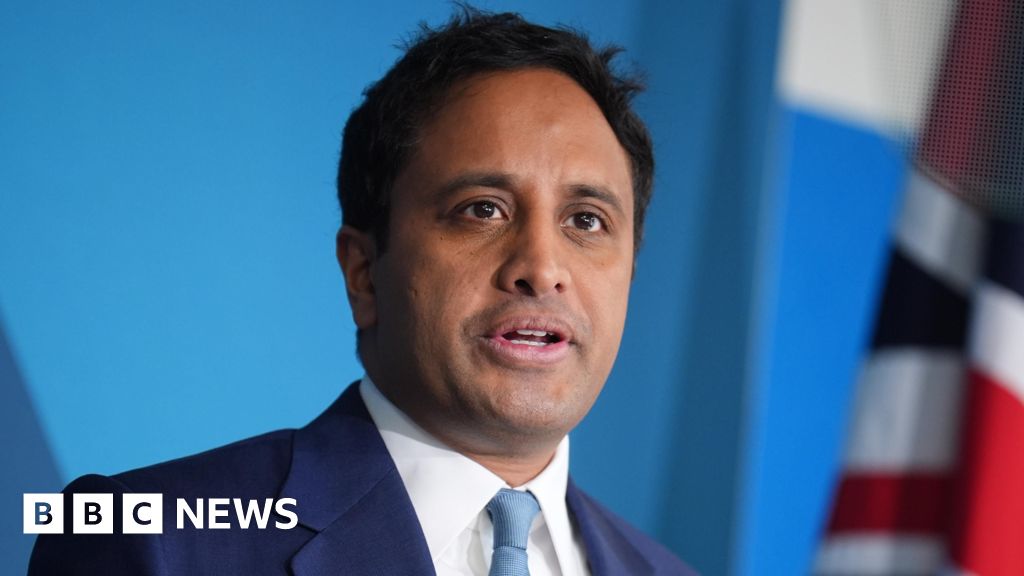
Peter Harris, a Reform UK county councillor in Essex, emphasized the magnitude of responsibility now resting on the party’s shoulders. Speaking to the BBC, Harris acknowledged, “We have been given an enormous amount of responsibility.” He committed to delivering on voter priorities through “lots of hard work and effort.”
Harris highlighted that Reform UK plans to pursue both immediate improvements and long-term changes, aiming to make the council more efficient and responsive. “It’s an enormous job to do,” he said, underscoring the challenges ahead in managing newly acquired council authority.
Surging Influence in Scotland’s Parliament
While Reform UK previously held only a single Member of the Scottish Parliament (MSP), the party’s presence has grown dramatically. In the latest election, Reform UK secured 17 MSPs, tying with Labour for the second-largest party representation in the Scottish Parliament. This leap positions Reform UK as a formidable opposition force and reflects growing support for their platform north of the border.
The party’s gains in Scotland indicate an appetite for political alternatives that challenge the established parties, particularly amid ongoing debates over Scotland’s future and governance. Reform UK’s rise could influence upcoming parliamentary discussions and policy debates significantly.
Why Reform UK’s Gains Matter
The party’s electoral success represents more than just seat counts—it signals a shifting political dynamic across the UK. By taking control of councils traditionally dominated by Labour and challenging Conservative strongholds, Reform UK is capitalizing on voter discontent and the desire for new political voices.
In England, the party’s control over councils like Essex and Barnsley not only disrupts established political order but also grants Reform UK direct influence over local governance, budgets, and services. Their promise to increase council efficiency and focus on voter priorities will be closely scrutinized by constituents and political observers alike.
In Scotland, tying with Labour for second place in the parliament marks a significant rise for Reform UK and suggests the party could reshape future legislative debates. The increased representation amplifies their platform and potential to sway key policy decisions.
These results highlight a broader trend of political fragmentation and volatility in UK politics, where traditional party loyalties are increasingly challenged by emerging alternatives.
Looking Ahead: The Challenges and Opportunities for Reform UK
With newfound authority come significant responsibilities. Reform UK leaders must translate electoral success into effective governance to maintain and grow their support base. Delivering tangible results on local issues and fulfilling campaign promises will be critical to cementing their position.
Furthermore, the party’s ability to navigate complex council dynamics, especially in areas with no overall control, will test their political acumen. Success in these arenas could position Reform UK as a key player in UK politics beyond local government.
As Reform UK steps into this expanded role, all eyes will be on how they manage these opportunities and challenges. Their performance over the coming months will likely shape the trajectory of UK politics in the near future.
In summary, Reform UK’s striking gains in England and Scotland mark a pivotal moment in the country’s political landscape, signaling evolving voter preferences and setting the stage for a more competitive and dynamic political environment.