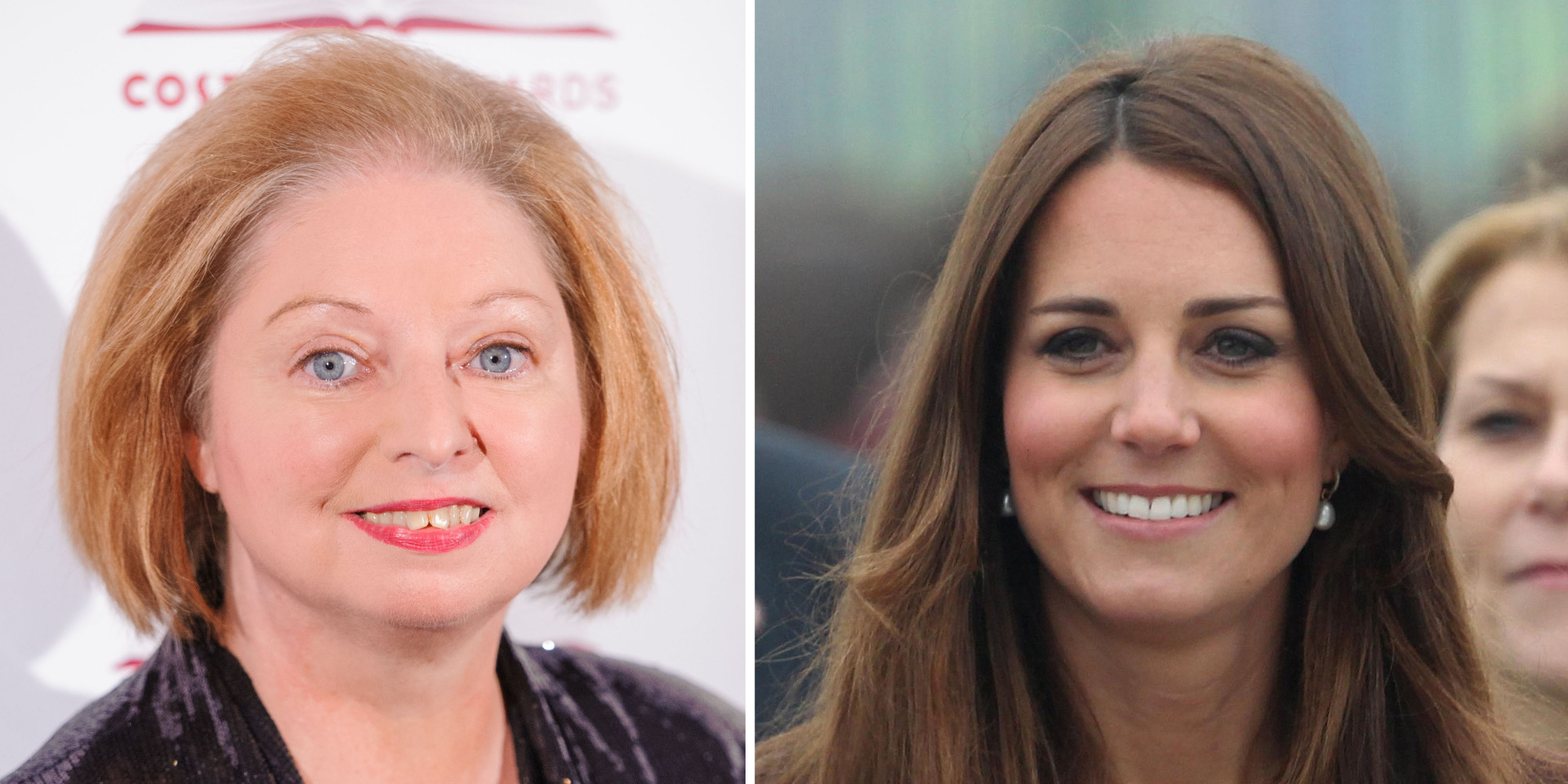
Hilary Mantel’s recent remarks have ignited a fierce debate about the public’s complex and often contradictory relationship with the British royal family, particularly focusing on the Duchess of Cambridge. The celebrated British author’s observations, which scrutinize how the media and public construct and consume royal personas, have been widely misinterpreted as a direct personal attack on Kate Middleton. However, a closer examination reveals a far more nuanced critique of the pressures and expectations faced by women in the royal spotlight.
Hilary Mantel: Literary Giant and Cultural Commentator
Hilary Mantel is an acclaimed novelist and essayist whose works have profoundly influenced contemporary historical fiction. She has twice won the prestigious Booker Prize for her novels Wolf Hall and Bring Up The Bodies, both centered on the Tudor court of King Henry VIII. Mantel’s deep engagement with royal history lends a unique perspective to her commentary on the modern monarchy, blending historical insight with sharp cultural analysis.
Her recent speech, published in the London Review of Books, delves into the British public’s ambivalent fascination with royalty, a relationship characterized by both adulation and relentless scrutiny. Mantel explores how this dynamic has played out across centuries, from the tragic fate of Anne Boleyn to the intense media spotlight on Diana, Princess of Wales, illustrating how public sentiment can rapidly shift from reverence to persecution.
__IMAGE_PLACEHOLDER_1__
The Controversial Remarks on the Duchess of Cambridge
In her speech, Mantel described the Duchess of Cambridge as appearing like a “jointed doll on which certain rags were hung,” likening her to a “shop-window mannequin” crafted to fulfill a carefully constructed public image. She suggested that Kate’s persona was “designed by committee and built by craftsmen,” emphasizing how the royal consort is molded by external forces rather than her own authentic self.
These vivid metaphors provoked a strong backlash, with some media outlets branding Mantel’s comments as a “venomous attack” on the Duchess. The Daily Mail ran a front-page article condemning the author’s words, interpreting them as a personal assault rather than a critical reflection on the mechanisms behind royal image-making.
Even political figures entered the fray. Former Prime Minister David Cameron publicly defended the Duchess and the royal family, calling Mantel’s remarks “completely misguided and completely wrong.” Cameron’s intervention underscored the sensitivity surrounding the monarchy’s public portrayal and the protective sentiments it inspires among political leaders.
__IMAGE_PLACEHOLDER_2__
Understanding the Context: More Than Just an Attack
Despite the media uproar, many commentators and critics argue that Mantel’s speech was taken out of context. Rather than targeting Kate Middleton personally, Mantel was critiquing the broader phenomenon of how the media and public collectively create, elevate, and then scrutinize royal figures. She highlighted the dual nature of this relationship, how royals are simultaneously idolized and dehumanized.
Mantel’s analysis also referenced Diana, Princess of Wales, noting that Diana “passed through trials, through ordeals at the world’s hands,” a poignant reminder of the harsh realities behind royal glamour. She further remarked on King Henry VIII’s psychological ambiguity, stating that he “doesn’t know which he is, a person or a prince,” underscoring the timeless tension between personal identity and public role within monarchy.
Regarding Kate Middleton, Mantel observed that the Duchess, who was expecting her first child in July, is often portrayed by the press primarily as someone whose “only point and purpose (is) to give birth.” This reductive framing reflects the narrow, sometimes oppressive expectations imposed on royal women.
Mantel concluded her speech with a heartfelt plea for greater empathy and restraint, urging the public to “back off and not be brutes.” This call for kindness and understanding resonates deeply amid the relentless public and media pressures faced by the royal family.
__IMAGE_PLACEHOLDER_3__
Why This Matters: The Public, The Media, and Royal Reality
The controversy surrounding Hilary Mantel’s speech sheds light on the enduring and complicated nature of the British public’s fascination with monarchy. Royals occupy a unique space where they are both symbols of national identity and individuals subject to intense public scrutiny. This duality creates a precarious existence, especially for women like the Duchess of Cambridge, who must navigate the expectations of tradition, media spectacle, and personal life.
The media’s role in crafting royal narratives cannot be overstated. Newspapers, tabloids, and broadcasters often oscillate between glorification and criticism, shaping public perception in ways that can feel both invasive and dehumanizing. Mantel’s remarks invite reflection on how this cycle impacts the individuals behind the royal titles.
Moreover, the reaction to Mantel’s speech demonstrates how sensitive discussions about the monarchy remain in the UK. The swift defense from political leaders and the media’s framing of her comments reveal a protective instinct toward the royal family, yet also underline the challenges of honest critique in this arena.
Looking Ahead: A Call for Compassion in the Royal Discourse
Hilary Mantel’s speech ultimately serves as a reminder of the need for a more compassionate and nuanced conversation about the monarchy. The public’s relationship with the royals, particularly figures like the Duchess of Cambridge, is shaped not only by centuries of tradition but also by modern media dynamics that can elevate and diminish in equal measure.
As the royal family continues to evolve in the public eye, recognizing the humanity behind the titles becomes essential. Mantel’s plea to “not be brutes” invites society to pause and reconsider how it engages with those who, despite their elevated status, endure pressures and expectations that are often invisible to the public.
In the end, this debate is less about individual criticism and more about understanding the complex interplay between public perception, media portrayal, and personal identity within the institution of monarchy.