

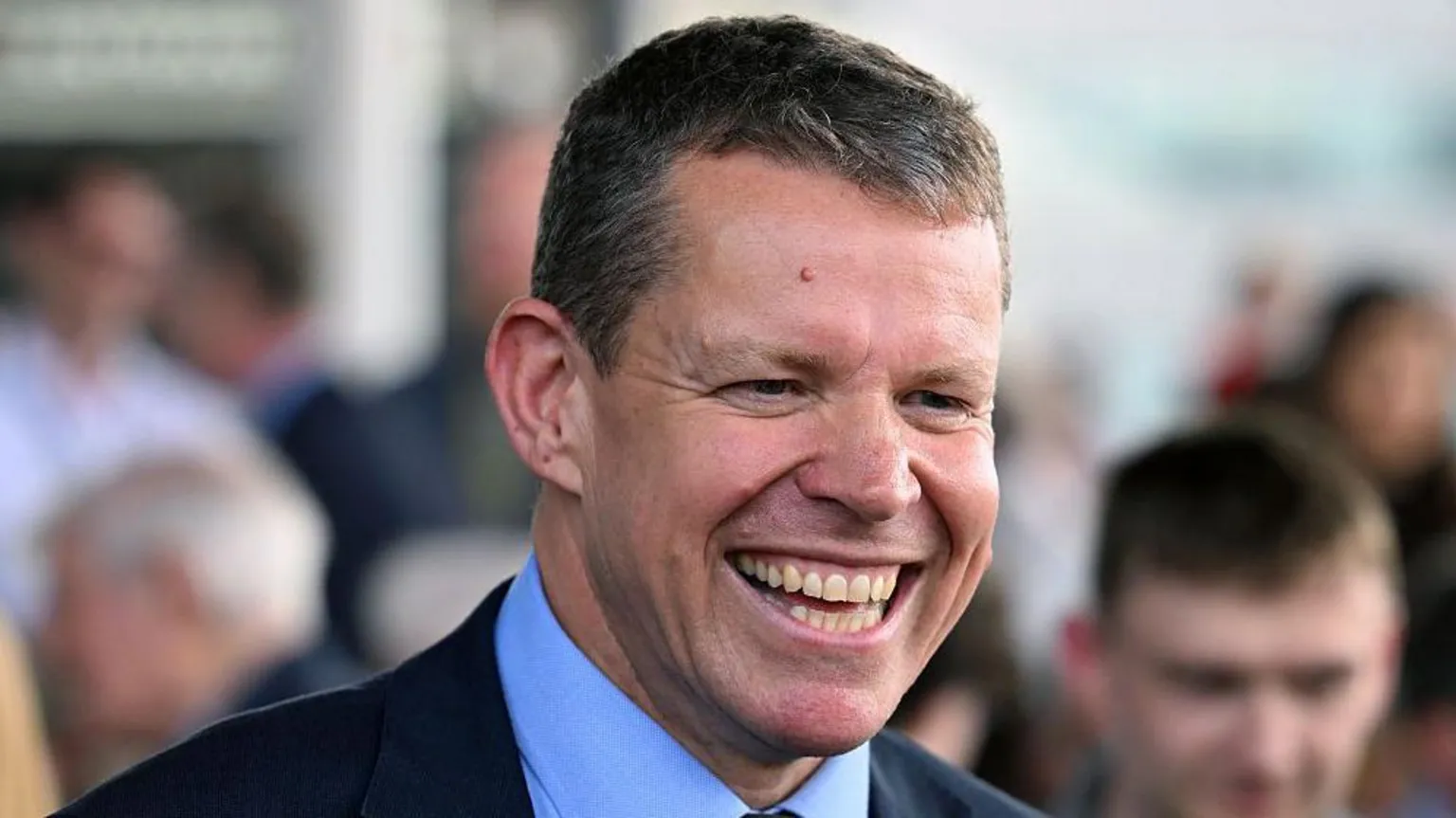
The Welsh Senedd faces a pivotal moment that could see Rhun ap Iorwerth, leader of Plaid Cymru, ascend as First Minister within days. This outcome hinges on a procedural stalemate over filling two crucial parliamentary roles—the presiding officer (Llywydd) and deputy presiding officer—at the Senedd’s inaugural meeting following the recent election.
What Is the Presiding Officer Role and Why Does It Matter?
The Llywydd serves as the Senedd’s chairperson, overseeing debates, maintaining order, and acting as the institution’s public face. Currently, Elin Jones of Plaid Cymru occupies this prestigious position. However, Jones is stepping down from the role to join the Welsh government as a minister, leaving the position vacant.
Under Senedd rules, the presiding officer and their deputy must come from different political sides—one from the governing party and the other from the opposition—unless two-thirds of the members agree to waive this requirement. This mechanism is designed to preserve impartiality and balance in parliamentary proceedings.
However, this rule has become a sticking point. Reform UK, a smaller but influential group within the Senedd, has indicated it will not support waiving the two-thirds threshold. This refusal complicates Plaid Cymru’s efforts to secure both posts.
The Battle for the Llywydd and Deputy Posts
Two prominent figures from the major parties have publicly expressed interest in the Llywydd role. Paul Davies from the Conservative Party and Huw Irranca-Davies from Labour have both signaled their willingness to take on the position, but Plaid Cymru has yet to announce a candidate.
A Plaid Cymru spokesperson confirmed the party is actively considering a nominee for the deputy presiding officer role but remains silent on the Llywydd nomination. This strategic ambiguity suggests Plaid is navigating a delicate balance between adhering to parliamentary rules and advancing its leadership ambitions.

Rhun ap Iorwerth’s Vision: Plaid Cymru Governing Alone with Cross-Party Support
Over the weekend, Rhun ap Iorwerth emphasized his preference for a Plaid Cymru-led government without formal coalitions. Rather than entering into power-sharing agreements, he seeks to govern independently while fostering cross-party cooperation to pass legislation and implement his agenda.
“I want Plaid Cymru to govern on its own rather than bring in another party or parties,” ap Iorwerth said. His approach prioritizes consensus-building and collaboration across the Senedd, seeking support from all sides for his policy programme rather than relying on a coalition’s stability.
This stance reflects the complexities of Welsh politics, where no single party commands an outright majority. Plaid Cymru’s current position as the largest party gives it a strong mandate, but navigating parliamentary procedures and opposition dynamics remains a challenge.
What This Means for Welsh Governance
The unfolding situation in the Senedd highlights the intricate balance between parliamentary tradition, party politics, and governance strategy. If the parliament cannot resolve the presiding officer appointments, Senedd rules allow for Rhun ap Iorwerth to be appointed First Minister by default, potentially as soon as the coming Tuesday.
This would mark a significant milestone for Plaid Cymru, consolidating its influence in Welsh politics and setting the stage for its policy priorities. At the same time, the unresolved presiding officer issue underscores the importance of procedural consensus in the functioning of Wales’ devolved government.
As the Senedd convenes, all eyes will be on negotiations behind the scenes. The outcome will shape Wales’ political landscape for years to come, testing Plaid Cymru’s ability to lead effectively while managing parliamentary checks and balances.
In the coming days, the Senedd’s choices will clarify whether Rhun ap Iorwerth assumes the premiership amid political deadlock or if compromise emerges to fill the presiding officer posts and maintain parliamentary tradition.