

The Royal National Lifeboat Institution (RNLI) is actively investigating why several ports refused entry to one of its boats carrying over 100 migrants this past Sunday. This unprecedented denial of access has raised urgent questions about maritime rescue protocols and the treatment of vulnerable people seeking safety by sea.
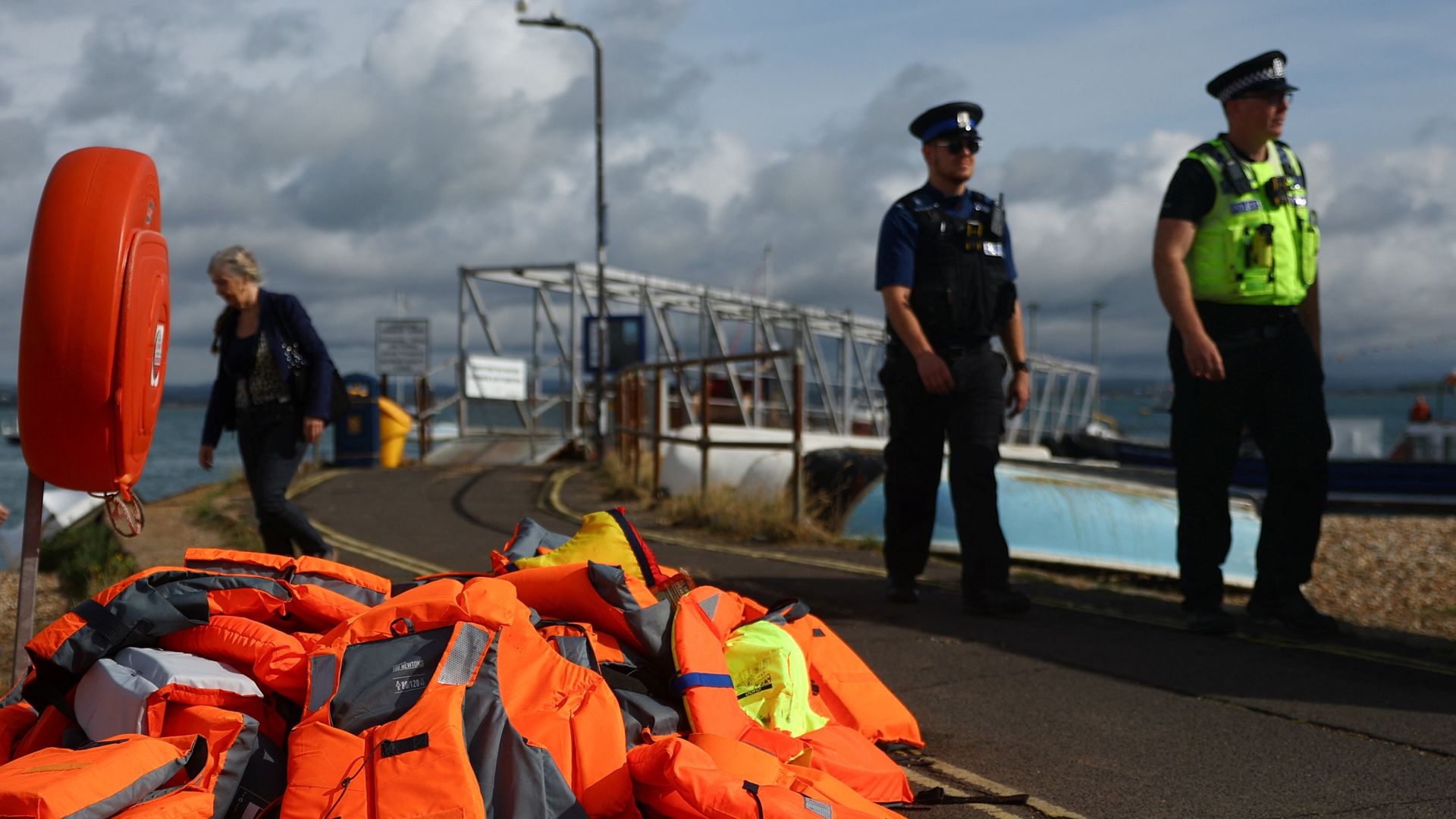
What Happened: RNLI Boat Denied Access Amid Migrant Rescue
On Sunday, an RNLI vessel performing a humanitarian rescue mission was carrying more than 100 migrants when it sought safe harbor at multiple ports. Shockingly, these ports declined the RNLI’s request to dock, leaving the boat stranded at sea with its large group of rescued individuals onboard. The RNLI confirmed it is now working to fully understand the rationale behind the refusals.
The RNLI has long been recognized for its critical role in saving lives along the UK and Irish coastlines. Its volunteers and crew operate tirelessly to assist anyone in distress at sea, irrespective of nationality or circumstance. Denying a rescue vessel access to port — especially when carrying vulnerable migrants — represents a significant departure from established maritime humanitarian norms.
Why This Matters: Implications for Maritime Rescue and Migrant Safety
This incident highlights growing tensions and challenges surrounding migrant rescues in the English Channel and nearby waters. Increased migrant crossings have placed pressure on port authorities, governments, and rescue organizations to balance border security with humanitarian obligations.
Ports traditionally serve as safe havens for vessels in distress, enabling rescued individuals to disembark safely and receive medical care, shelter, and legal support. Denying entry to a lifeboat with over 100 migrants not only jeopardizes their immediate well-being but also complicates the RNLI’s mission and international maritime law compliance.
Furthermore, this situation underscores the complex coordination required between rescue organizations, port authorities, and government agencies. It raises questions about policy clarity, operational communication, and the political environment influencing decisions on migrant arrivals.
What Comes Next: RNLI’s Response and Broader Context
The RNLI has expressed its commitment to clarifying the circumstances that led to the denial of access. Understanding these decisions is critical to ensuring future rescues can proceed without unnecessary obstruction, and that rescued migrants receive prompt assistance.
This event occurs amid heightened scrutiny of migrant crossings in the Channel, which have surged in recent years due to conflicts, economic hardship, and instability in various parts of the world. Governments face mounting pressure to develop comprehensive, humane policies that address border security while safeguarding human rights and lives at sea.
For the RNLI, this incident may prompt renewed dialogue with authorities to establish clearer protocols and reinforce the humanitarian principles underpinning maritime rescue operations.
Takeaway: Navigating the Complexities of Sea Rescue in a Changing Landscape
The denial of port access to an RNLI lifeboat carrying more than 100 migrants underscores the complex challenges at the intersection of migration, maritime safety, and national policy. It calls for urgent collaboration among rescue agencies, governments, and port authorities to uphold international humanitarian standards.
As the RNLI seeks to understand the decisions behind this refusal, the broader conversation must focus on ensuring safe, swift, and dignified treatment for all rescued at sea. The future of maritime rescue depends on balancing security concerns with compassion and legal obligations—only through such balance can lives be protected and crises managed effectively.