

Robert Jenrick has stunned British politics by defecting from the Conservative Party to Reform UK, marking the most significant Tory defection to date. This bold political maneuver comes at a critical moment when Reform UK is surging in the polls, but it also threatens to ignite an intense power struggle on the right. The ramifications of Jenrick’s move extend beyond party lines, raising urgent questions about the future shape of British conservatism and opposition to Labour’s Keir Starmer.
The Defection: From Tory Stalwart to Reform UK’s Leading Recruit
Before Thursday, Robert Jenrick’s last visit to Millbank Tower—the iconic headquarters of Reform UK—was decades ago as an enthusiastic Conservative activist. Now, Jenrick returns not as a novice but as Reform UK’s highest-profile acquisition. Known for his government experience, parliamentary insight, and campaigning savvy, Jenrick brings a rare combination of insider knowledge and public notoriety to Nigel Farage’s party.
Jenrick’s defection follows his recent sacking from the Conservative government, a fallout rooted partly in ideological differences and partly in internal party tensions. His departure has rocked Westminster, triggering fierce accusations from former Tory colleagues who allege betrayal and dishonesty. Some insiders claim Jenrick denied plans to defect even in meetings held days before his public switch, describing his own denials as “gobsmacked” responses to speculation.

Despite these controversies, Jenrick insists he made his decision only around Christmas and frames his move as an honest response to what he views as the Conservative Party’s decline. This defection is not just a personal career pivot; it symbolizes a deep ideological fracture within the right, emphasizing a growing appetite for a more strident political stance than the Conservatives currently offer.

Political Identity and Ideological Challenges Within Reform UK
Jenrick’s transition from the Conservative Party to Reform UK raises profound questions about political identity and ideological coherence. Once considered a “Cameroon” — aligned with David Cameron’s socially liberal, centrist Conservatives — Jenrick’s shift reflects evolving political dynamics and his own frustrations, especially from his time at the Home Office.
However, Reform UK’s platform diverges sharply from traditional Tory positions, particularly on social policies and economic reforms. Jenrick himself has hedged on some Reform stances, such as welfare benefits for larger families and the controversial prospect of shifting the NHS toward an insurance-based model — a policy previously floated by Farage but not yet embraced by Jenrick.

This ideological balancing act reveals the complexities Reform UK faces as it tries to broaden its appeal beyond its core base. The party must reconcile its insurgent, right-wing populist roots with the pragmatic demands of governance and a diverse electorate. Jenrick’s nuanced positions suggest internal debates on policy direction will intensify.
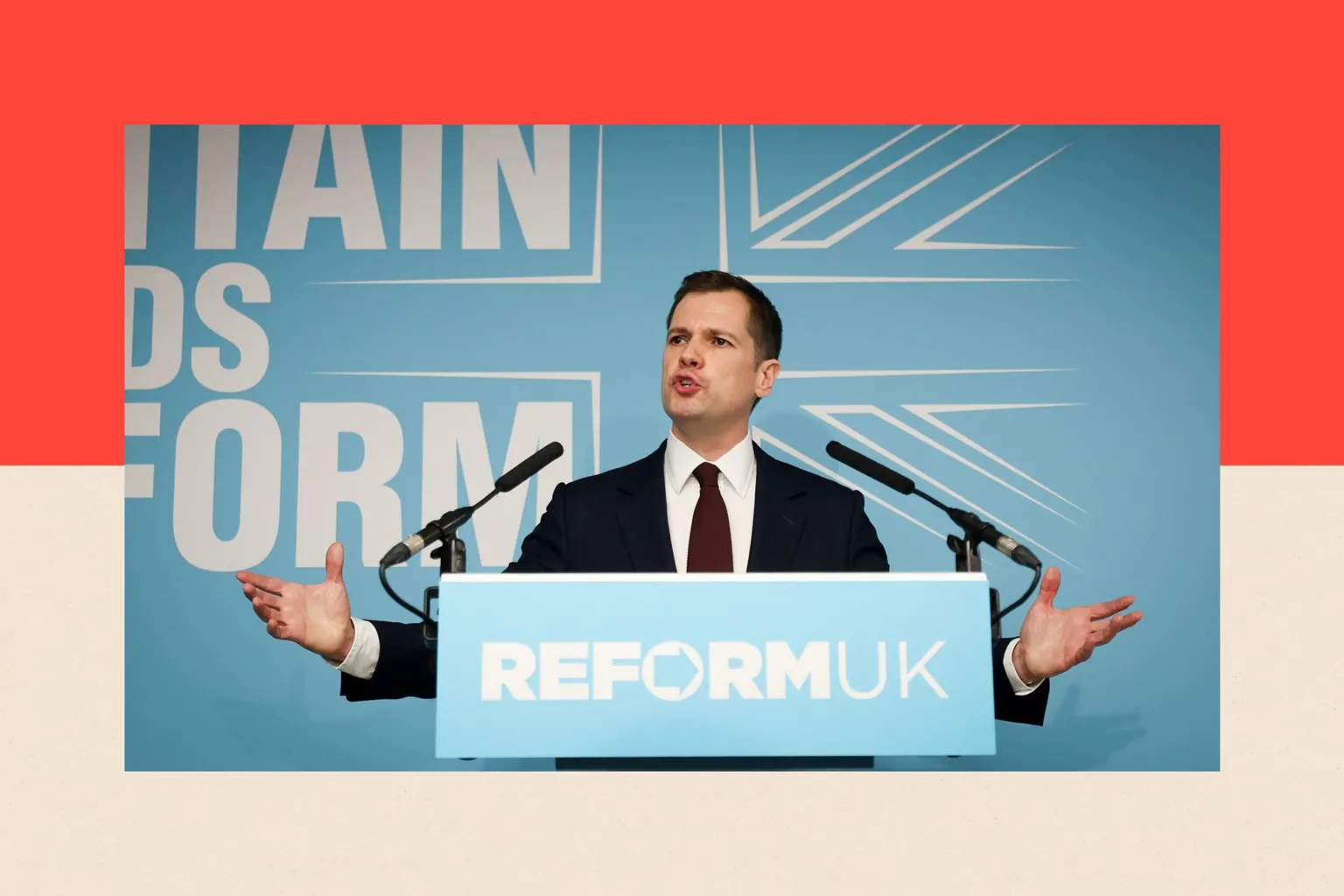
What Jenrick’s Move Means for the Future of the Right
Jenrick’s arrival at Reform UK fuels speculation about whether the party can truly “unite the right,” a goal he publicly espouses. Reform UK currently leads in opinion polls, outpacing the Conservatives who have recently experienced a modest revival under Kemi Badenoch, the party’s leader since 2024. Yet, this fragmentation of the right-wing vote risks handing an electoral advantage to Labour’s Keir Starmer.
The political landscape now faces a stark dilemma: either the Tories and Reform UK find a way to collaborate or risk perpetual division that benefits Labour. Both parties publicly reject any coalition or electoral pact, signaling a likely prolonged confrontation rather than reconciliation.

Inside Reform UK, Jenrick’s presence may also unsettle existing figures like Richard Tice and Zia Yusuf. Balancing personal ambition and party unity will prove challenging, especially given Jenrick’s high profile and potential desire for leadership roles. His past verbal skirmishes with Farage, including mutual accusations of hypocrisy and unseriousness, add further uncertainty about their working relationship.
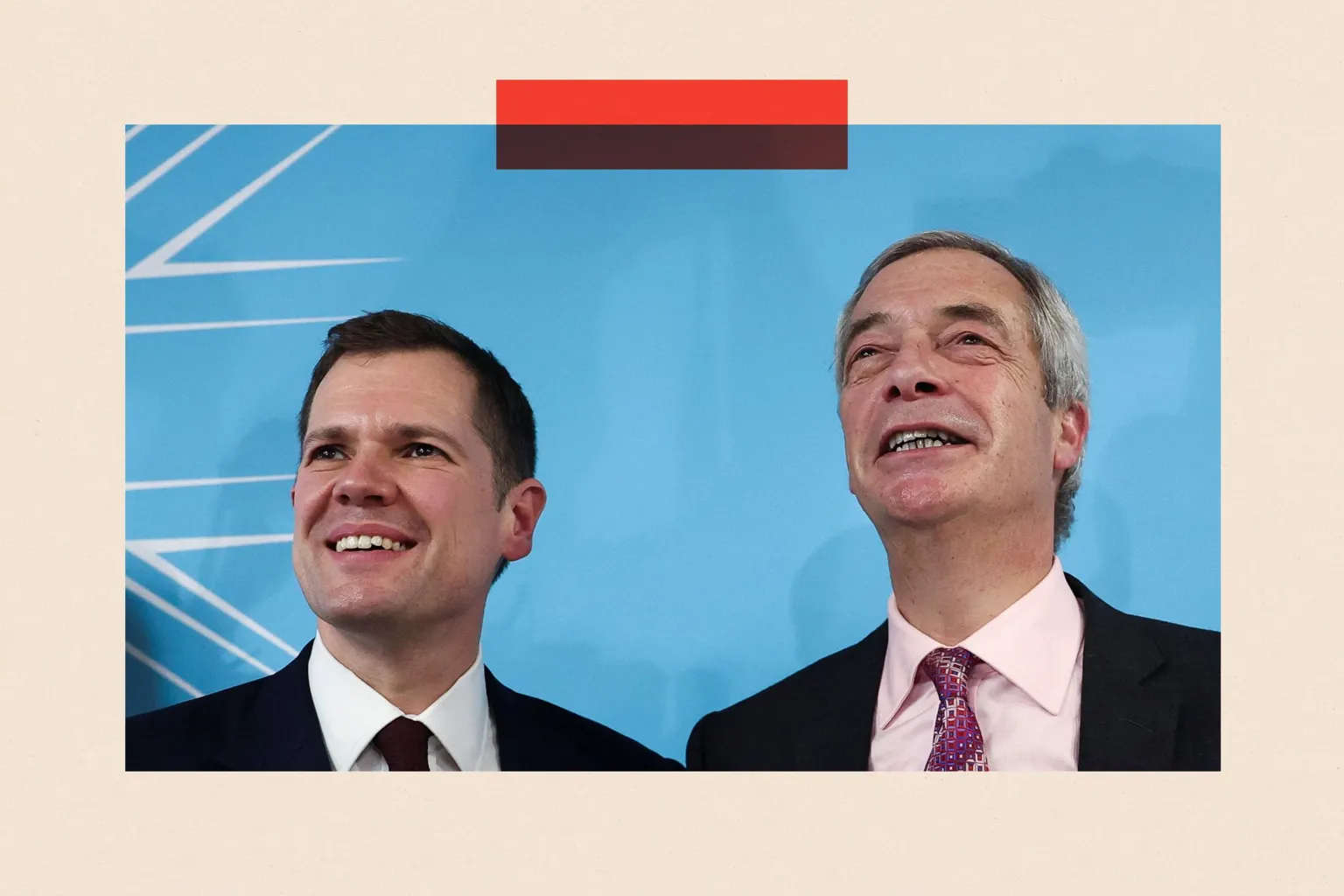
Why Jenrick’s Defection Matters
Robert Jenrick’s defection is more than a headline-grabbing political stunt. It symbolizes a broader realignment in British politics, where the traditional Conservative establishment faces growing pressure from insurgent right-wing forces hungry for radical change. Jenrick’s move highlights the Conservative Party’s internal struggles and the ideological void Reform UK aims to fill.
For voters, this development complicates the electoral landscape ahead of the next general election. It forces a reckoning about whether the right can present a united front or if infighting will hand Labour an easier path to power. For Reform UK, Jenrick’s insider knowledge and stature could lend credibility and momentum, but only if the party can resolve its internal tensions and articulate a clear, coherent vision.
Ultimately, Jenrick’s defection underscores a critical juncture. The future of the British right hinges on whether it embraces unity or division. As political battles intensify, the public will watch closely to see if Reform UK emerges as a formidable alternative or simply a repository for disaffected Conservatives.
What comes next: The coming weeks will reveal how Jenrick integrates into Reform UK’s leadership and how both parties adjust their strategies. With the next general election looming, this realignment could reshape British politics for years to come.