

Andrew Tate, the controversial social media influencer known for his provocative online persona, now faces serious legal challenges. Romanian prosecutors have formally indicted him on allegations of trafficking minors, a development that has intensified scrutiny of his activities and raised urgent questions about digital influence and criminal accountability.
The Indictment and Legal Context
Romanian authorities have charged Andrew Tate with involvement in trafficking minors, marking a significant escalation in their investigation. The indictment signals that prosecutors have gathered sufficient evidence to move forward with formal charges, a step that could lead to a trial and potential conviction if the allegations are proven true.
Trafficking minors is a grave offense under Romanian law, reflecting the country’s commitment to combating human trafficking and protecting vulnerable populations. This charge implicates serious criminal conduct involving the exploitation and illegal movement or coercion of minors, which carries severe penalties including long-term imprisonment.
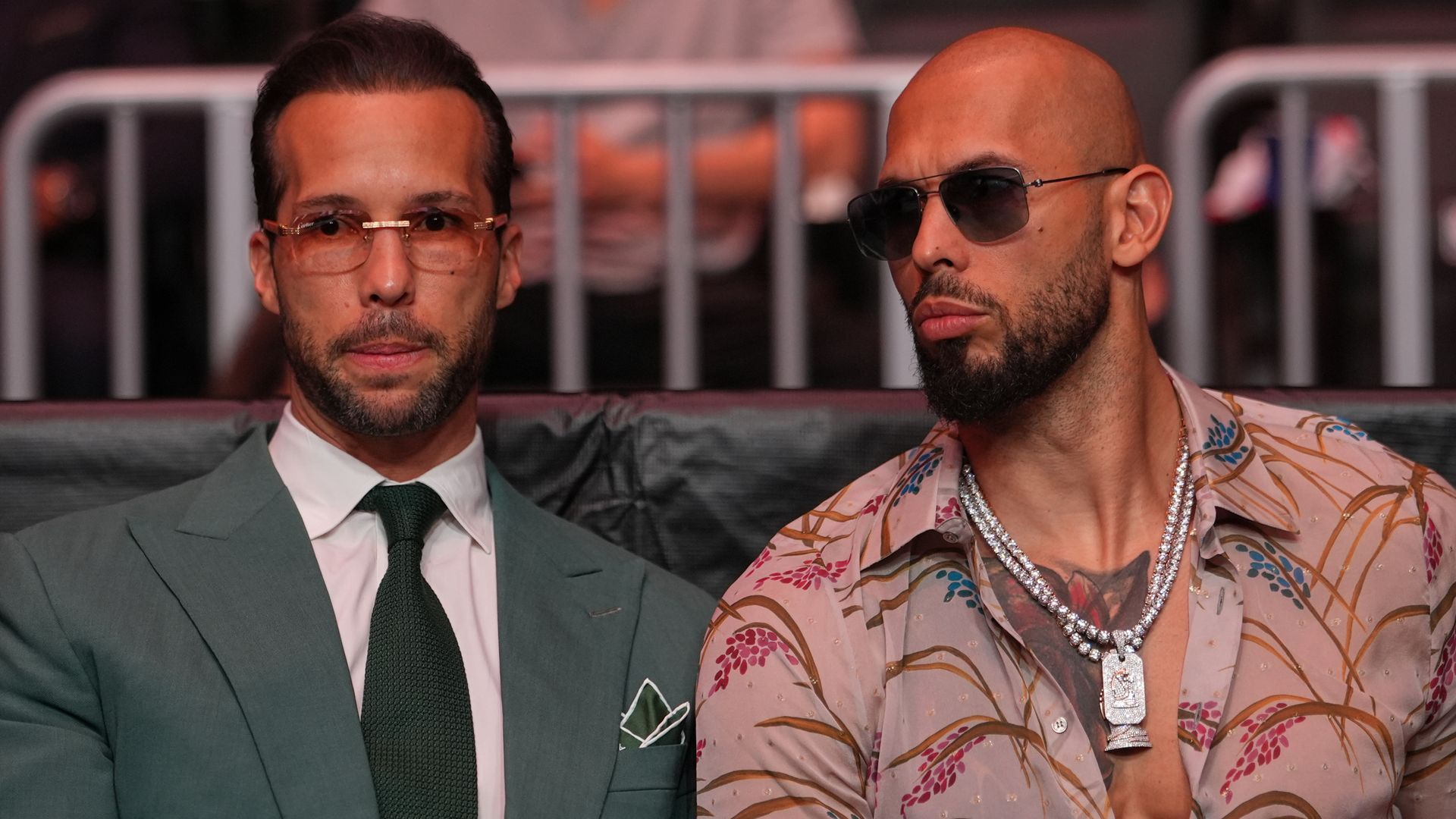
The case against Tate underscores the broader challenges law enforcement faces in addressing crimes that intersect with the digital world. As a high-profile online figure, Tate’s influence extends beyond traditional spheres, complicating efforts to untangle criminal activities from public personas cultivated through social media platforms.
Who Is Andrew Tate and Why the Charges Matter
Andrew Tate rose to notoriety through his online presence, amassing millions of followers by sharing content that often sparked controversy. His brand centers on a hyper-masculine image and outspoken views, which have attracted both ardent supporters and fierce critics. However, this indictment shifts the focus from his public persona to serious legal accusations that could have lasting repercussions.
The allegations against Tate are particularly concerning given the vulnerable nature of the victims involved—minors. Human trafficking involving children is one of the most reprehensible crimes, often associated with exploitation, abuse, and long-term psychological damage. Prosecutors’ decision to indict reflects the weight of these concerns and the evidence they believe supports them.
For many observers, this case highlights the risks that can accompany unchecked online influence, especially when individuals with large followings operate without sufficient oversight. It raises important questions about accountability, the responsibilities of digital platforms, and the mechanisms available to law enforcement to intervene effectively.
Potential Impact and What Comes Next
This indictment could mark a turning point in how authorities tackle crimes involving high-profile social media figures accused of exploiting their platforms for illicit purposes. If Tate is convicted, it may set a precedent that deters similar conduct and reinforces the legal boundaries governing digital behavior and human rights protections.
In the immediate term, Tate will likely face a legal process that includes hearings, evidence presentation, and possibly a trial. Romanian prosecutors will need to build a compelling case to secure a conviction, while Tate’s defense team will presumably challenge the allegations vigorously. The case will attract widespread attention, given Tate’s international profile and the serious nature of the charges.
This situation also prompts broader societal reflection on how to safeguard minors from exploitation in an increasingly digitalized world. Governments, platforms, and communities must collaborate to enhance protections, improve reporting mechanisms, and ensure swift legal action against perpetrators.
Why This Matters to Everyone
The indictment of Andrew Tate is more than a headline about a single individual; it shines a spotlight on the persistent and evolving dangers of human trafficking, especially involving minors. It reminds the public and policymakers alike that exploitation can permeate even the most unexpected spaces, including social media.
With the internet’s power to amplify voices and influence behavior, the Tate case illustrates the urgent need for robust legal frameworks and vigilant enforcement to prevent abuse. It also underscores the importance of supporting victims and holding offenders accountable, regardless of their status or notoriety.
As this legal saga unfolds, it will be crucial to monitor how justice is pursued and how society responds to the challenges posed by the intersection of crime, influence, and technology. The outcomes will likely influence future efforts to protect vulnerable populations and regulate conduct in the digital age.
Full details of the case and its progression will continue to emerge as Romanian authorities proceed with their investigation and legal actions.