Few smartphone launches in recent memory have carried as much weight as the Samsung Galaxy S6. For Samsung, this release was not just another product launch, it was a critical crossroads. The company faced mounting pressure to deliver a device that could reinvigorate its flagship line, which had seen diminishing returns and lukewarm consumer reception in recent years. The Galaxy S5, its immediate predecessor, had failed to captivate buyers or critics, leaving Samsung’s Galaxy S brand at risk of losing its dominance in an increasingly competitive market.
In this context, the stakes for the Galaxy S6 and its sibling, the Galaxy S6 Edge, could hardly have been higher. Samsung needed a blockbuster hit, a handset that would not only restore consumer enthusiasm but also set a new standard for flagship smartphones in 2015. Anything short of a major success threatened to erode Samsung’s market share and damage its reputation as a leader in mobile technology.
Samsung anticipated the Galaxy S6 and S6 Edge to break sales records, with analyst forecasts suggesting shipments could reach as high as 55 million units. However, the company also faced significant supply chain challenges, particularly with the Galaxy S6 Edge’s unique curved display. According to Samsung co-chief executive Shin Jong Kyun, manufacturing the curved glass panels proved far more complex than producing conventional flat displays, raising concerns about whether supply could keep pace with demand. Despite these hurdles, Samsung committed to ramping up production to meet consumer interest.
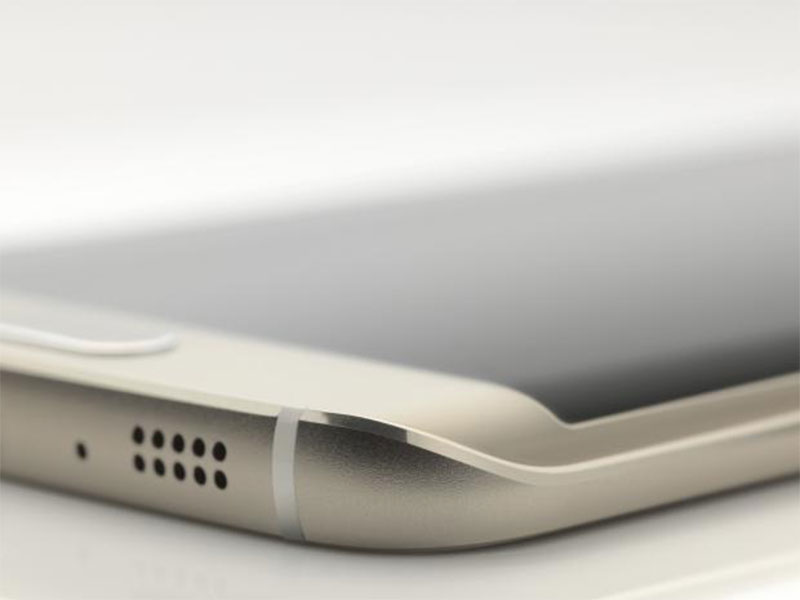
Between the two models, the Galaxy S6 Edge quickly emerged as the fan favorite. Its dual-sided curved glass display creates an immersive visual experience, wrapping elegantly around the metal frame and setting it apart from virtually every other smartphone on the market. This design innovation not only enhances aesthetics but also redefines how users interact with their devices, even if some of the Edge display’s practical features remain modest, such as caller ID color codes visible when the phone lies face down.
Samsung’s design team deserves particular praise for their work on these devices. Historically, Apple has been lauded for meticulous design and hardware integration, but the Galaxy S6 series challenges that perception. The devices represent Samsung’s most refined effort in years, rivaling the excitement generated by landmark phones like the iPhone 4 or HTC’s original One. The Galaxy S6 and S6 Edge showcase a new level of craftsmanship and visual appeal, signaling a fresh design direction for Samsung’s flagship line.
Samsung’s journey to this point has been marked by highs and lows. While the company has long been a dominant force in the smartphone industry alongside Apple and Google, much of its prominence was fueled by aggressive marketing budgets, reportedly exceeding $12 billion in 2012, rather than consistent innovation. Devices like the Galaxy Note series introduced groundbreaking concepts, such as popularizing the “phablet” form factor, but more recent Galaxy S models had fallen into a pattern of incremental updates overshadowed by gimmicks and pre-installed software that many users found unnecessary.
The Galaxy Alpha, released in late 2014, hinted at a turning point with its premium metal design and sleek profile, rekindling excitement among Samsung enthusiasts. Building upon this momentum, the Galaxy S6 took everything the Alpha introduced and advanced it further. The result is a handset that fits comfortably in the hand and pocket, striking an ideal balance in size and usability. At 6.8mm thin and weighing just 138 grams, the S6 is notably lighter and more compact than contemporary phablets like the Nexus 6 or iPhone 6 Plus, appealing to users who desire flagship-level performance without a bulky device.
Constructed with glass on both front and back, the Galaxy S6 exudes premium quality but demands careful handling. The glass surfaces attract fingerprints easily and are vulnerable to cracking or shattering if dropped, necessitating the use of protective cases. Complementing the glass is a finely crafted metal frame that enhances grip and completes the device’s sophisticated aesthetic. The phone is offered in four attractive color options: White Pearl, Gold Platinum, Blue Topaz, and Black Sapphire, providing a range of choices for style-conscious consumers.
One significant design trade-off is the removal of the microSD card slot and the non-removable battery, features that had been staples of the Galaxy S line since its inception. While this shift aligns with Samsung’s aim to streamline the user experience and improve build quality, it has sparked some disappointment among longtime fans who relied on expandable storage and battery swapping. Nonetheless, Samsung compensates by offering three internal storage capacities (32GB, 64GB, and 128GB) alongside complimentary cloud storage space, attempting to mitigate concerns about limited onboard memory.
The Galaxy S6’s display exemplifies Samsung’s expertise in screen technology. Featuring a 5.1-inch Quad HD Super AMOLED panel with a resolution of 1440 x 2560 pixels and an impressive pixel density of 576 pixels per inch, this screen delivers vibrant, precise colors and exceptional detail. It surpasses even the Galaxy Note 4’s already impressive display, cementing Samsung’s reputation for producing some of the best screens in the industry.
Despite the challenges typically associated with high-resolution displays, especially their impact on battery life, the Galaxy S6 defies expectations. Powered by the efficient 14nm Exynos 7420 processor and equipped with a modest 2,550mAh battery, the handset manages to offer battery endurance superior to many devices with lower-resolution screens. This achievement underscores Samsung’s engineering prowess in balancing performance, visual quality, and energy consumption.
On the software front, the Galaxy S6 runs Android Lollipop with Samsung’s TouchWiz interface, which has undergone substantial optimization. While TouchWiz’s visual design remains a matter of personal taste, Samsung has significantly reduced the bloatware and improved system smoothness and multitasking responsiveness. The user interface now feels more polished and less intrusive, cutting down on unnecessary prompts and background processes. Features like the multitasking carousel demonstrate remarkable speed and fluidity, elevating the overall user experience closer to the standard set by stock Android and iOS devices.
Under the hood, the Galaxy S6 is equipped with a formidable combination of hardware: the 64-bit octa-core Exynos 7420 CPU, 3GB of RAM, and a Mali-T760 GPU. This configuration delivers exceptional speed and handles intensive tasks, from gaming to photo editing, with ease. Benchmarks confirm the handset’s position as one of the most powerful smartphones available at the time of its release.
Samsung’s camera technology also receives a thoughtful refinement rather than a radical overhaul. Retaining a 16-megapixel sensor, the Galaxy S6 adds optical image stabilization and a wider aperture to enhance low-light performance. Additional features such as Live HDR, a quick-launch camera shortcut via double-tapping the home button, and an improved 5MP front-facing camera with an f/1.9 aperture contribute to a versatile and satisfying photography experience. Video capabilities include 4K recording and object-tracking autofocus, further elevating the device’s imaging credentials.
Among smartphones in early 2015, the Galaxy S6’s camera setup stands out as a new benchmark, surpassing even the notable Galaxy Note 4 in balance and usability. This leadership in imaging will be a critical factor for consumers who prioritize camera quality in their smartphone choice.
The Samsung Galaxy S6 represents a pivotal moment for the company and the broader smartphone market. It marks Samsung’s transition from iterative updates laden with gimmicks to a more focused, design-driven, and user-centric approach. By addressing past criticisms, streamlining software, enhancing build quality, and elevating core features, Samsung has reasserted its position as a top-tier smartphone manufacturer.
For consumers, the Galaxy S6 offers a compelling alternative to Apple’s iPhone and other high-end Android devices. It balances cutting-edge technology, elegant design, and practical usability in a package that appeals to both longtime Samsung fans and newcomers seeking premium quality. While the removal of expandable storage and a removable battery may alienate some traditionalists, the overall improvements in performance, display, camera, and software deliver a flagship experience that few rivals can match.
In summary, the Galaxy S6 is more than just a new phone; it is Samsung’s statement of intent to reclaim innovation leadership and win back consumer confidence. Its success or failure would influence the company’s trajectory for years to come, making its impact on the industry both immediate and far-reaching.