

Scotland has officially implemented a comprehensive ban on glue traps, a decisive move hailed by animal rights advocates as a critical step towards ending the use of these cruel and inhumane pest control devices. This landmark legislation reflects growing concern over animal welfare and sets a precedent for humane pest management across the UK.
What the Glue Trap Ban Entails
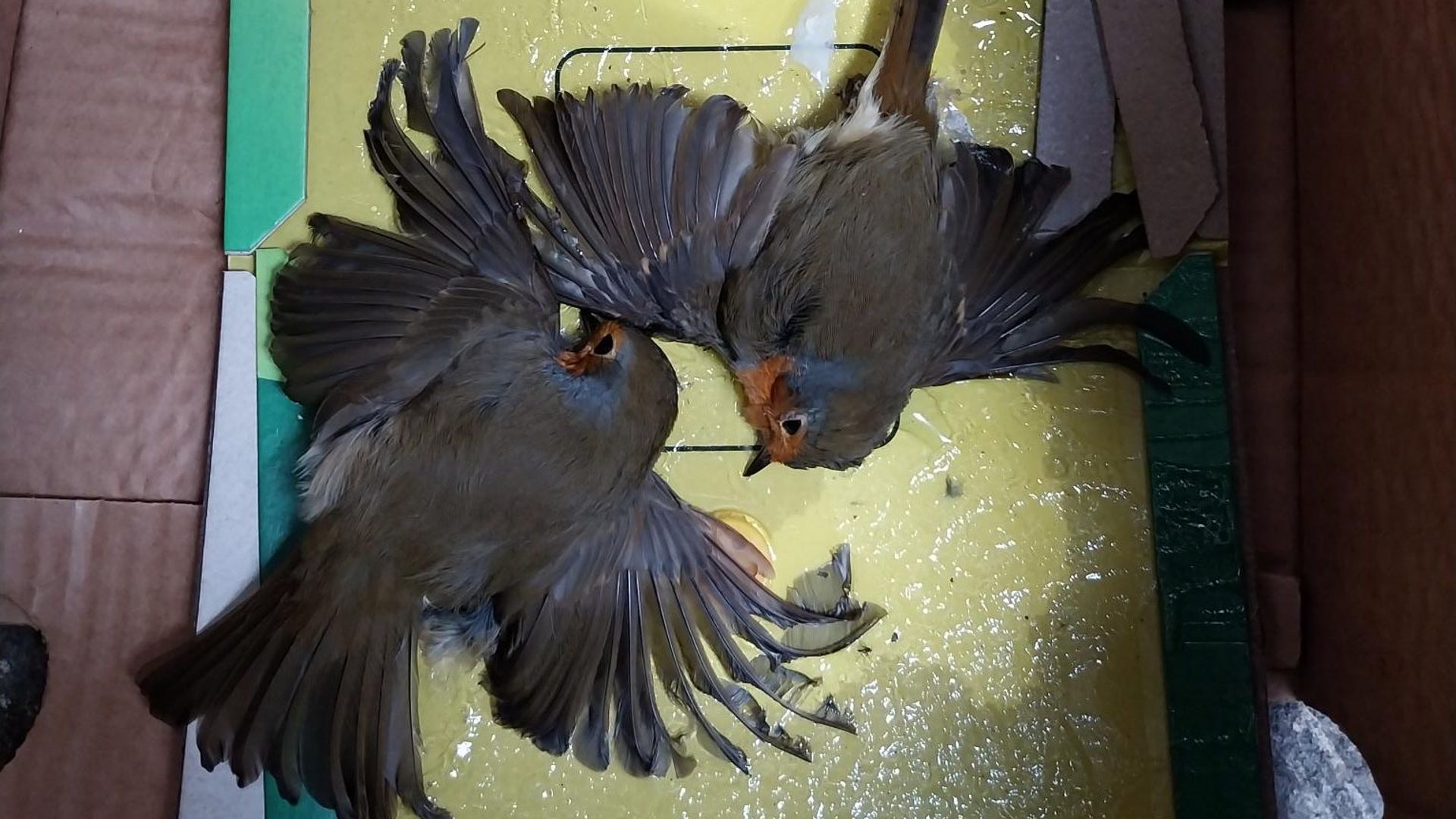
Glue traps, often used to catch rodents and insects, consist of sticky adhesive boards that immobilize animals caught on them. Until recently, these devices were legal and widely used despite mounting evidence of the extreme suffering they cause. Animals caught in glue traps can endure prolonged distress, injury, dehydration, and even death while struggling to escape.
Under the new regulations, the manufacture, sale, and use of glue traps are now prohibited throughout Scotland. This ban applies to both commercial pest controllers and private individuals. Authorities will actively enforce the legislation, with penalties in place for violations to ensure compliance.
The ban represents a significant policy shift aimed at encouraging the adoption of more humane and effective pest control methods. It responds directly to pressure from animal welfare organizations and scientific experts who have documented the severe animal cruelty associated with glue traps.
Why the Ban Matters: Animal Welfare and Public Response
Animal rights campaigners have long criticized glue traps for their brutal nature. Groups such as the Scottish SPCA and Compassion in World Farming have led calls for legislative action, presenting evidence that these devices cause unnecessary suffering to thousands of animals annually.
Beyond animal welfare concerns, the ban signals Scotland’s broader commitment to ethical treatment of wildlife and sustainable pest management. The government’s decision aligns with increasing public awareness and demand for cruelty-free alternatives.
Experts emphasize that humane pest control options, such as live traps and targeted exclusion techniques, not only reduce animal suffering but can also be more effective and environmentally responsible in the long term.
Looking Ahead: Implications and Enforcement
The enforcement of the glue trap ban will require cooperation from retailers, pest control professionals, and the public. Authorities have outlined plans to monitor sales channels and investigate complaints to prevent illegal use.
Educational campaigns are expected to accompany enforcement efforts, informing citizens about the dangers of glue traps and promoting alternative pest control strategies. This approach aims to ensure a smooth transition and widespread adherence to the new law.
Scotland’s ban also places pressure on other parts of the UK and the international community to reconsider the use of glue traps. It establishes a clear example of how legislation can drive meaningful improvements in animal protection.
What This Means for Animal Welfare in Scotland
The full implementation of the glue trap ban marks a transformative moment for animal rights in Scotland. It reflects a deepening societal recognition that pest control must balance human needs with compassion and respect for all creatures.
By outlawing these cruel devices, Scotland not only prevents countless animals from suffering but also encourages innovation and responsibility in pest management practices. This move strengthens the nation’s reputation as a leader in animal welfare legislation and offers hope that similar bans will follow elsewhere.
Ultimately, the ban underscores the power of advocacy, science, and public engagement in shaping policies that protect vulnerable animals and promote humane coexistence.