

The Scottish Parliament has decisively voted against legalising assisted dying, denying terminally ill adults the right to seek medical help to end their lives. In a deeply emotional and polarising final debate, Members of the Scottish Parliament (MSPs) defeated the bill by 69 votes to 57, maintaining Scotland’s current stance on this controversial issue.
What the Assisted Dying Bill Proposed
The Assisted Dying for Terminally Ill Adults (Scotland) Bill, introduced by Liberal Democrat MSP Liam McArthur, aimed to make Scotland the first part of the UK to legalise assisted dying. It sought to allow mentally competent adults with terminal illnesses to request a lethal drug from medical professionals to end their suffering.
To qualify, patients would have needed to make two formal declarations confirming their wish to die. Medical practitioners would perform rigorous assessments to ensure patients were not under coercion or undue influence before authorising the lethal medication.
McArthur adjusted the bill several times during the legislative process. Notably, he introduced a six-month life expectancy limit for eligibility—a compromise he had previously opposed—in a bid to win over hesitant MSPs. Despite these changes, the bill ultimately failed to secure enough support.
Concerns Over Coercion and Vulnerable Groups
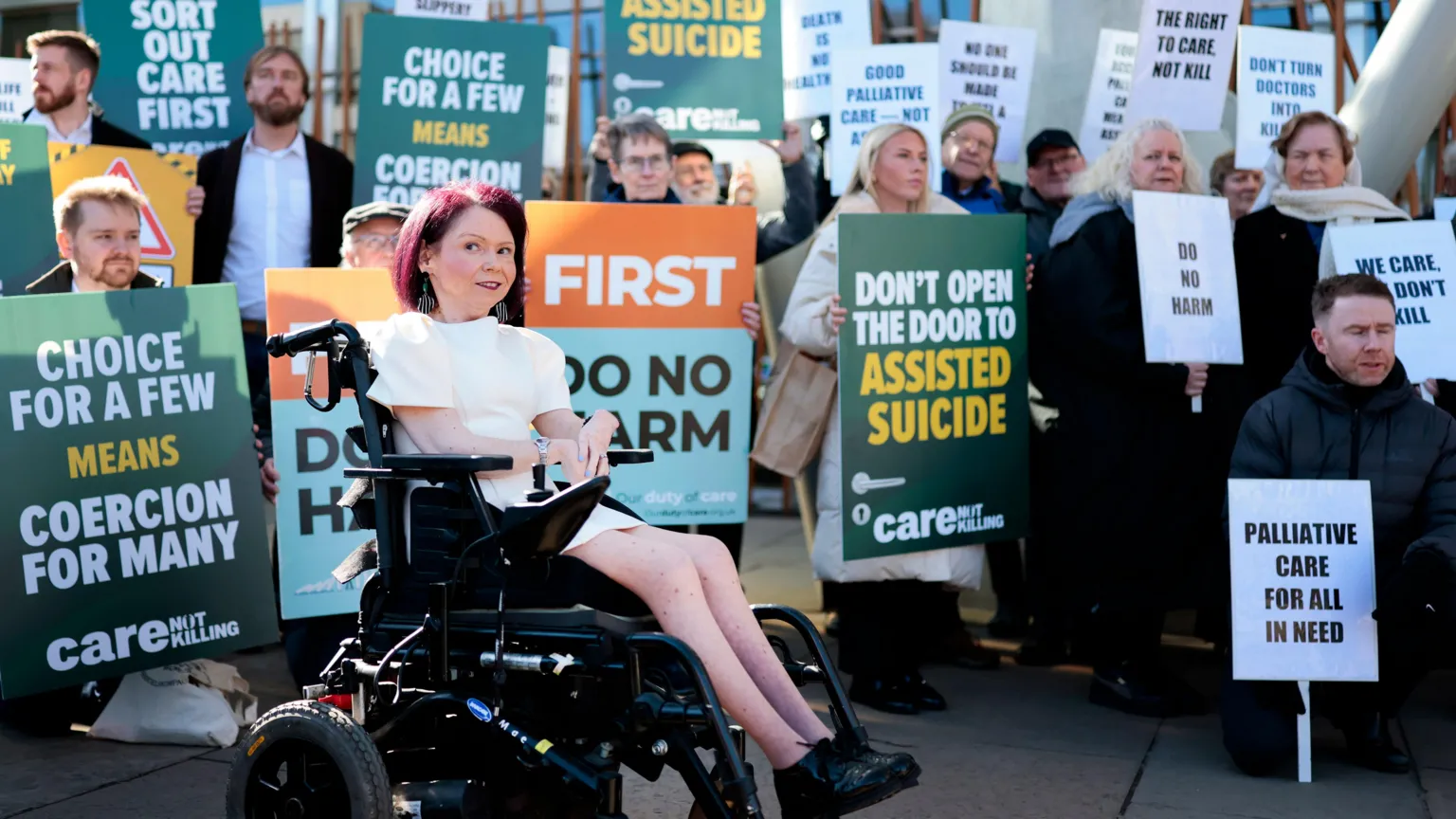
Opponents of the bill frequently expressed fears that legalising assisted dying could lead to coercion, particularly of vulnerable groups such as disabled people and those experiencing social or familial pressure. Independent MSP Jeremy Balfour, who lives with a physical disability, warned that disabled individuals felt “terrified” by the prospect of assisted dying legislation, fearing it could open “a pandora’s box” with no “meaningful protection” against abuse.
Similarly, Pam Duncan-Glancy, a wheelchair user, implored MSPs to “choose to make it easier to live than to die,” highlighting concerns about the adequacy of safeguards. Other critics questioned the protections for healthcare professionals who might object to participating and the potential lack of oversight on doctors authorising assisted deaths.
Many opponents also emphasised the need to prioritise improvements in palliative care rather than legalising assisted dying. SNP MSP Ruth Maguire, who has personal experience with stage three cervical cancer, argued that true choice only exists when patients have access to comprehensive palliative services. “It’s not a free choice if you do not have access to good palliative care,” she said, recalling the distressing prospect of a doctor suggesting assisted dying amid treatment discussions.
Supporters Advocate Compassion and Personal Choice
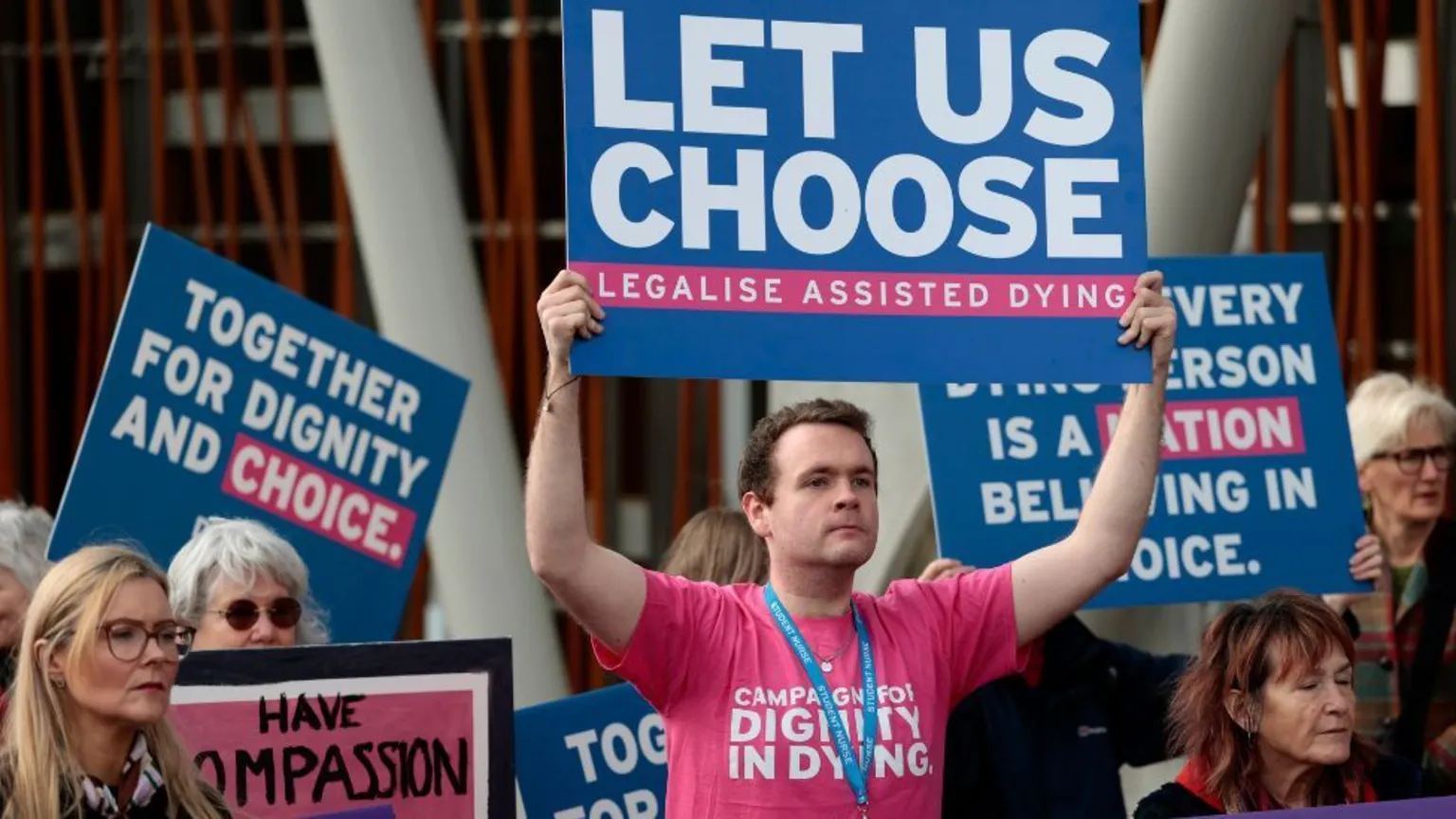
Despite the opposition, supporters of the bill made powerful and heartfelt contributions. Liam McArthur shared the story of a man who, after losing his penis to cancer, was left “begging to have his life ended.” McArthur urged MSPs to move beyond rhetoric and take decisive action, calling the bill “not good enough” to merely support in principle without backing it fully at the final vote.
Former Green co-leader Lorna Slater became emotional as she recounted her father’s “beautiful” assisted death in Canada, affirming that everyone should have the right to choose their end-of-life path. SNP MSP George Adam spoke about his wife Stacey, who has Multiple Sclerosis and witnessed the debate in the gallery, stating that she would want the option of assisted dying if faced with unbearable suffering.
Conservative MSP Sandesh Gulhane, an NHS GP, relayed a patient’s testimony: “You wouldn’t let a dog die like this,” highlighting the urgency to prevent people from dying alone and in agony. Supporters argued the bill would not replace palliative care but complement it by offering a “powerful matrix of safety,” as Liberal Democrat leader Alex Cole-Hamilton described.
The Parliamentary Journey and What Comes Next
This bill marked the third time since devolution in 1999 that assisted dying legislation was debated in the Scottish Parliament. It was the first to pass the initial stage vote, reflecting a growing willingness to tackle the issue. MSPs were granted a free vote, with no party whip, resulting in a diverse range of opinions across party lines.
While the Scottish Government remained officially neutral, First Minister John Swinney personally opposed the bill, later expressing relief at its defeat. Notably, 12 MSPs who supported the bill at the initial stage changed their votes to oppose it at the final stage, underscoring the complexity and sensitivity of the issue.
Following the vote, McArthur expressed devastation and warned that some MSPs might regret their decision. Advocacy groups like Dignity in Dying condemned the outcome as a setback for compassion and safety, while opponents such as Care Not Killing welcomed the decision, citing concerns about risks to vulnerable populations.
Why This Matters
The rejection of the assisted dying bill in Scotland highlights the profound ethical, social, and medical challenges surrounding end-of-life choices. It reveals a parliament grappling with balancing individual autonomy against protecting vulnerable groups. The debate has intensified public awareness and will undoubtedly influence future discussions across the UK.
With similar legislation under consideration in England and Wales yet facing uncertain prospects, Scotland’s decision may set a precedent for the wider UK. Advocates will likely continue pushing for legal reform, while opponents will emphasize strengthening palliative care and safeguarding vulnerable citizens.
The conversation about assisted dying in Scotland is far from over. As medical advancements extend life expectancy and societal attitudes evolve, demands for compassionate, patient-centred choices at the end of life will persist, challenging policymakers to find solutions that respect dignity, safety, and ethical complexity.
