

Scott Mills, the well-known Radio 2 breakfast show presenter, has broken his silence following his abrupt sacking by the BBC, addressing the police investigation that has shadowed his career for years.
What Happened: Police Investigation and BBC Termination
The 53-year-old DJ’s contract with the BBC was terminated last Friday after the corporation received “new information” concerning his personal conduct. This decision came despite the fact that the BBC had been aware of an ongoing police investigation since 2017.
In December 2016, the Metropolitan Police launched an inquiry into allegations of serious sexual offences against a teenage boy under 16. These alleged incidents were said to have occurred between 1997 and 2000. Mills fully cooperated with the investigation, which culminated in a submission of evidence to the Crown Prosecution Service (CPS).
However, in May 2019, the CPS concluded that the evidential threshold to pursue charges had not been met, resulting in the case’s closure. Despite this, the BBC’s recent decision to end Mills’ contract signals new developments related to the matter.
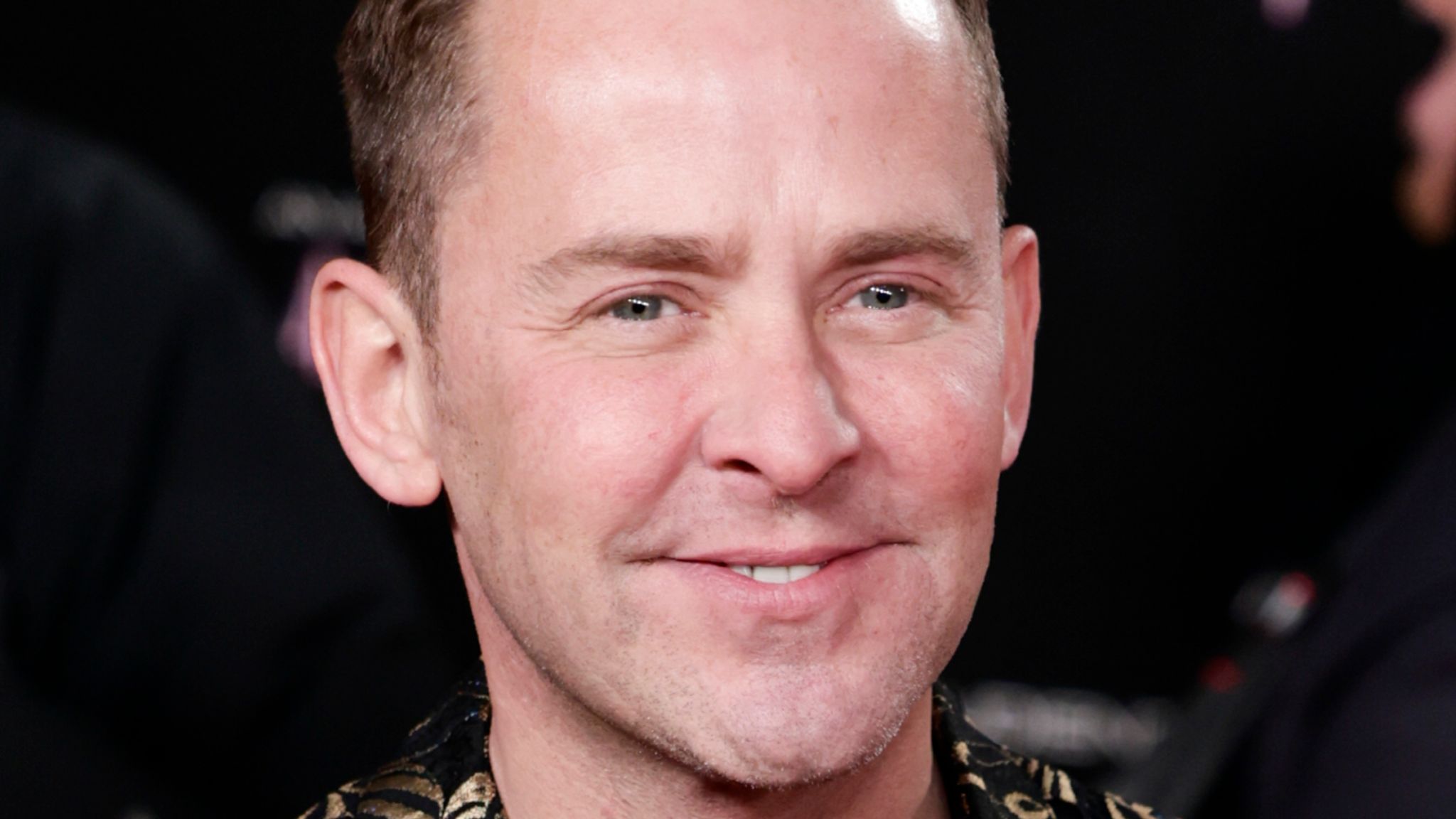
Scott Mills’ Statement: Addressing Rumours and Clarifying the Facts
This week, Mills released his first public statement since his dismissal. He acknowledged the swirling rumours and confirmed he was the individual involved in the historic police investigation.
He stated, “An allegation was made against me in 2016 of a historic sexual offence which was the subject of a police investigation in which I fully cooperated and responded to in 2018.” He emphasized that the police investigation, which dates back nearly 30 years, was concluded seven years ago, and requested privacy and respect from the public and media moving forward.
Mills expressed gratitude to those who have shown support during this difficult time, including his former colleagues and loyal listeners. His message carried a tone of reflection and a desire to move on from the controversy.
Timeline of Events
- 1997-2000: Alleged incidents reportedly occurred.
- December 2016: Metropolitan Police begin investigation into allegations.
- 2017: BBC becomes aware of police probe.
- May 2019: CPS closes case, citing insufficient evidence.
- March 2024: Mills is sacked by BBC following receipt of new information.
The BBC’s Response and Future Cultural Commitments
In response to the situation, the BBC confirmed it had engaged directly with Mills before deciding to terminate his contract. The broadcaster emphasized its ongoing commitment to enhancing organisational culture and enforcing strict behavioural standards.
A spokesperson explained, “Last year, following an independent culture review, we set out the behavioural expectations for everyone who works with or for the BBC and we were clear action would be taken if these were not met.” This statement reflects the broadcaster’s efforts to address misconduct and maintain public trust.
Scott Mills, who took over the Radio 2 breakfast show in 2025 after a distinguished career across regional radio and the BBC, was reportedly earning between £355,000 and £359,999 annually. His final show aired on Tuesday, 24 March, ending with his usual sign-off phrase, “back tomorrow.” However, the next day’s program was hosted by Gary Davies without any explanation for Mills’ absence.
Why This Matters: Public Trust and Media Accountability
The case of Scott Mills underscores the complex challenges media organisations face when historical allegations surface long after the events in question. Even when charges are not filed, such investigations can profoundly impact reputations and careers, especially for high-profile personalities entrusted with public platforms.
The BBC’s decision to act on “new information” despite a previous clearance by the CPS suggests a heightened sensitivity to maintaining ethical standards and public confidence. This reflects wider industry trends where broadcasters and institutions are increasingly scrutinizing past behaviour and enforcing stricter codes of conduct.
For listeners and colleagues, Mills’ departure marks the end of a familiar voice on Radio 2’s breakfast show and raises questions about how broadcasters will balance due process with safeguarding their reputations.
Looking Ahead: A Call for Transparency and Respect
Scott Mills’ statement closes with a heartfelt appeal for understanding and privacy, highlighting the personal toll such allegations and public scrutiny can take. As the media landscape continues to evolve, cases like this emphasize the importance of transparency, fairness, and respect for all parties involved.
While the BBC moves forward with renewed cultural commitments, the broader conversation about historical allegations and accountability in the entertainment industry remains urgent and ongoing.