

The Scottish government is under intense scrutiny after environmental agencies reported a staggering record of over 100,000 sewage spills in a single year. Experts and campaigners demand urgent action to address what they now describe as a full-blown sewage “crisis” threatening Scotland’s waterways and public health.
What Happened: Unprecedented Sewage Discharges Recorded
In the most recent environmental assessment, Scotland recorded more than 100,000 incidents where untreated or partially treated sewage was discharged into rivers, lochs, and coastal waters. This figure marks an alarming increase and represents the highest number of sewage spills ever documented in the country.
These spills primarily result from overwhelmed wastewater treatment systems, especially during heavy rainfall, when combined sewer overflows (CSOs) activate to prevent urban flooding. While CSOs are a necessary safety feature, their frequent use indicates systemic infrastructure issues and insufficient investment in sewage treatment capacity.
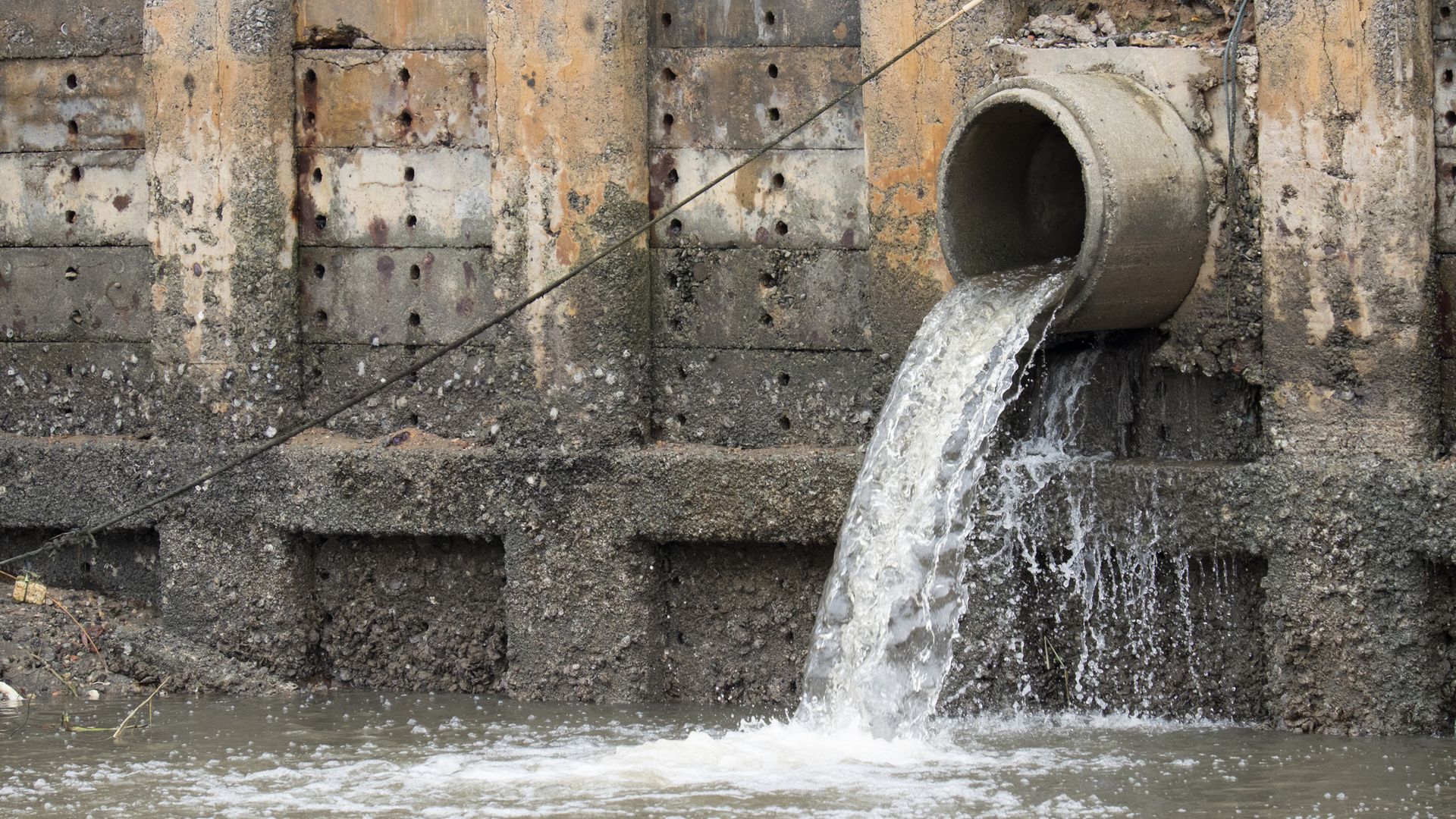
The volume and frequency of these discharges have raised significant concerns among environmentalists, health professionals, and local communities who rely on these water bodies for recreation, fishing, and drinking water.
Why It Matters: Environmental and Public Health Impacts
Repeated sewage spills introduce harmful bacteria, viruses, and pollutants into Scotland’s aquatic environments. The contamination affects ecosystems by damaging habitats and threatening fish populations, some of which are already vulnerable due to other environmental pressures.
Moreover, the public health implications of persistent sewage pollution are severe. Bathing waters become unsafe, increasing risks of gastrointestinal illnesses and skin infections among swimmers and other water users. The contamination also jeopardizes shellfish harvesting areas, impacting local economies dependent on fishing and tourism.
Environmental organizations warn that if the crisis continues unchecked, Scotland risks long-term damage to its natural heritage and the wellbeing of its citizens. They argue that the current sewage infrastructure is outdated and incapable of coping with the demands of a changing climate, which brings more frequent and intense rainfall events.
What Comes Next: Calls for Government Action and Infrastructure Investment
In response to the record sewage spills, campaigners and opposition politicians have called on the Scottish government to implement a comprehensive plan to modernize wastewater management. This includes upgrading treatment plants, expanding capacity, and installing more sustainable drainage systems to reduce the burden on existing infrastructure.
The government faces pressure to enforce stricter regulations on water companies and ensure transparency about sewage discharges. There are also calls for increased monitoring and public reporting to hold responsible parties accountable and inform affected communities promptly.
Addressing this sewage crisis aligns with Scotland’s broader environmental commitments, including targets for clean water and biodiversity restoration. Experts emphasize that investment in sewage infrastructure is not only a matter of environmental stewardship but also essential for protecting public health and supporting economic resilience, particularly in rural and coastal areas.
Looking Ahead: The Urgency of Sustainable Sewage Solutions
The record number of sewage spills in Scotland signals an urgent need for decisive action. Without significant improvements to wastewater systems, the cycle of pollution will continue, undermining public confidence and environmental quality.
As Scotland strives to meet ambitious climate and environmental goals, tackling the sewage crisis stands out as a critical challenge. Sustainable, long-term solutions will require coordinated efforts from government agencies, water companies, environmental groups, and communities.
Ultimately, safeguarding Scotland’s waterways from sewage pollution is essential not only for today’s citizens but for future generations who depend on clean, healthy water for their quality of life and economic prosperity.