

As Sir David Attenborough celebrates his 100th birthday, his enduring legacy continues to inspire bold conservation efforts across the UK. In Gloucestershire, the Gloucestershire Wildlife Trust has launched a transformative initiative to establish nature recovery zones, aiming to bolster ecosystem resilience in the face of climate change. This ambitious project draws directly from Sir David’s lifelong dedication to protecting wildlife and raising global awareness about environmental crises.
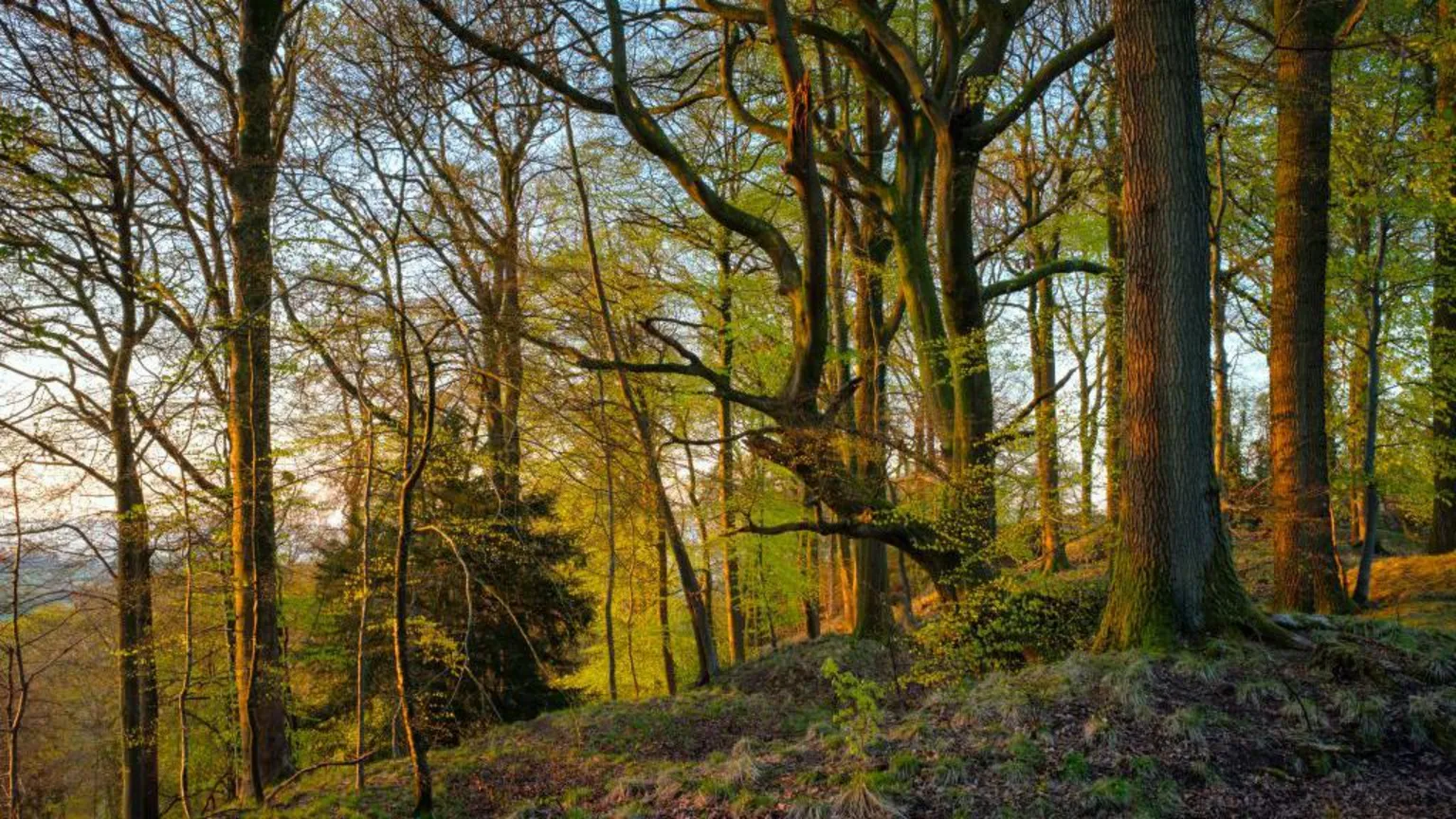
What Are Nature Recovery Zones and Why They Matter
The Gloucestershire Wildlife Trust plans to designate specific areas within the county as nature recovery zones. These zones focus on restoring degraded habitats and creating interconnected wildlife corridors. By extending conservation efforts beyond traditional reserve boundaries, the Trust seeks to enhance biodiversity and improve the resilience of natural ecosystems.
Emily McLaughlin, Chief Executive of the Gloucestershire Wildlife Trust, explains that these designations will allow the Trust to better combat the mounting pressures of climate change. “We want to make our nature reserves more resilient to the ravages of climate change by restoring habitats and creating wildlife corridors beyond the boundaries of the reserves,” McLaughlin said.
This strategy acknowledges the urgent need to adapt conservation methods as climate-related challenges intensify. In fact, the Met Office recently identified Gloucestershire as the driest area in the West of England, experiencing the lowest average rainfall in the last 30 years. This increasing dryness threatens local flora and fauna, making habitat connectivity and restoration crucial to sustaining wildlife populations.
Sir David Attenborough’s Enduring Influence on Conservation in Gloucestershire
Sir David’s centenary has been celebrated worldwide, with heartfelt messages pouring in from across the globe, including from the British King and Queen. His impact on conservation is not limited to awareness but extends to tangible local initiatives. One such example is the Gloucestershire Wildlife Trust’s centre at Robinswood Hill, which Sir David opened in 1992. McLaughlin credits him with setting a powerful example for the Trust’s mission and conservation standards.
“Sir David has been a huge inspiration for so many people and has brought the world’s attention to the plight of nature, urging us all to act,” McLaughlin stated. This inspiration has galvanized the Trust’s latest project, dubbed Mission Wild, which embraces Sir David’s call to action. The mission’s goal is to create a wilder Gloucestershire—a landscape where nature thrives alongside communities, providing benefits for both people and wildlife.
The initiative aligns with a broader movement to address biodiversity loss and ecological decline by restoring natural habitats at scale. Sir David’s influence has extended beyond conservation centers and media, even inspiring the naming of a tiny parasitic wasp, the Attenboroughnculus tau, in his honour. This wasp joins a long list of species named after him, symbolizing his deep connection to the natural world.

What This Means for Gloucestershire and Beyond
The creation of nature recovery zones underlines a proactive approach to conservation that is increasingly necessary in the face of climate change. By restoring habitats and linking wildlife corridors, Gloucestershire aims to create resilient ecosystems capable of withstanding environmental stresses like drought and habitat fragmentation.
These efforts also highlight the importance of community involvement and environmental stewardship. “Mission Wild is about accepting that challenge and setting out to achieve a wilder Gloucestershire, with benefits for people, communities and nature,” McLaughlin emphasized. This vision blends ecological health with social well-being, recognizing that thriving natural spaces enrich local quality of life.
Sir David Attenborough’s centennial serves as a powerful reminder of the impact that committed individuals can have on global conservation efforts. His legacy fuels ongoing projects that transform awareness into action, ensuring that future generations inherit a planet rich in biodiversity.
As Gloucestershire leads the way in pioneering nature recovery zones, it sets an example for other regions grappling with environmental challenges. The initiative reflects a vital shift in conservation philosophy—one that prioritizes resilience, connectivity, and community engagement as the pillars of a sustainable natural future.
Looking ahead, the success of these nature recovery zones will depend on continued support from local stakeholders, scientific monitoring, and adaptive management to respond to evolving climate conditions. Sir David’s enduring inspiration provides a beacon of hope and a call to action that resonates across the conservation community and beyond.