

London Mayor Sir Sadiq Khan has made a bold call for the Labour Party to enter the upcoming general election with a clear pledge to rejoin the European Union (EU). His statements have sparked intense debate within British politics, highlighting the ongoing divisions over Brexit’s legacy and the future direction of the UK’s relationship with Europe.
Sadiq Khan’s Case for Rejoining the EU and Customs Union
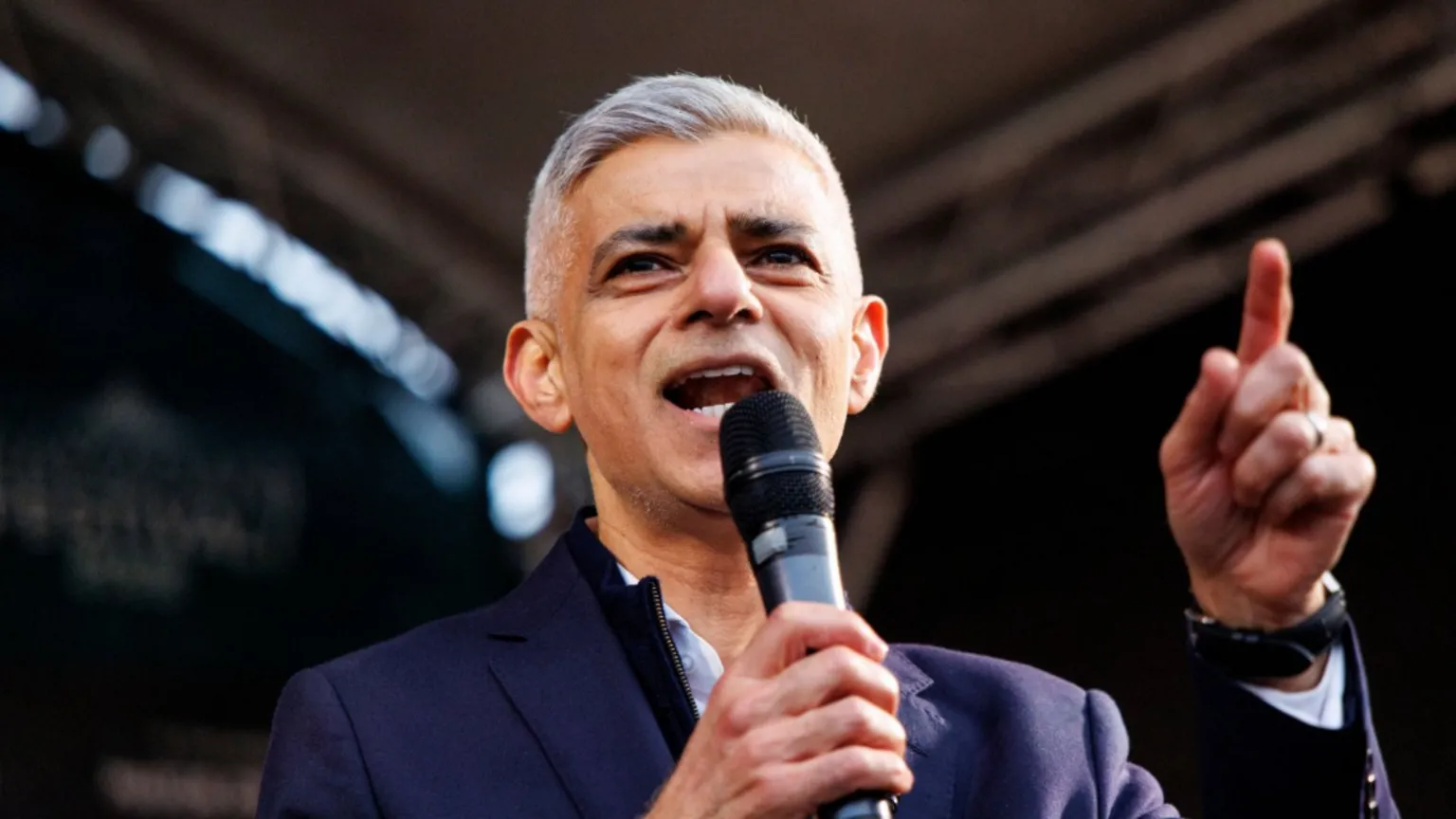
In a recent interview with the Italian newspaper la Repubblica, Sir Sadiq Khan described rejoining the EU as “inevitable,” emphasizing the profound economic, social, and cultural damage Brexit has inflicted, particularly on Londoners. He asserted that the landscape has shifted dramatically since the 2016 referendum, citing new challenges such as US tariffs and global geopolitical tensions, including the war in Iran, which have exacerbated the UK’s cost of living crisis.
Khan also urged the government to re-enter the EU Customs Union and the Single Market before the next general election, expected by 2029. Although he stopped short of demanding an immediate referendum, he implied rejoining could be achieved through parliamentary action rather than another public vote.
“The facts have changed. The evidence has changed,” Khan said, highlighting the economic setbacks and missed opportunities since leaving the EU. His stance contrasts sharply with the government’s firm rejection of rejoining the customs union or single market, a position repeatedly stated by Downing Street.
Political Reactions and Broader Implications
The Conservative Party swiftly dismissed Khan’s remarks as evidence that Labour leader Sir Keir Starmer lacks real authority, with a Tory spokesperson accusing Labour figures of fracturing policy control. “Starmer is in office but not in power,” the spokesperson claimed, listing other senior Labour figures who, in their view, are dictating party policy on foreign affairs and immigration.
Meanwhile, some within Labour have expressed reservations about the government’s asylum crackdown plans. Khan aligned with Deputy Labour Leader Angela Rayner, who recently condemned proposals making it harder for migrants residing in the UK to settle permanently as “un-British” and a betrayal of public trust. Khan called for a compassionate approach that encourages immigrants to contribute fully and integrate into society.
Other political voices have weighed in on the Brexit debate as well. Reform UK opposed any moves to rejoin the customs union or single market, promising to reverse such attempts. Conversely, Green Party leader Zack Polanski described Brexit as a “disaster socially, culturally, economically” and expressed his hope that the UK would eventually rejoin the EU.
The Liberal Democrats echoed Khan’s concerns, urging the government to embrace closer economic ties with Europe to repair the damage caused by Brexit, alleviate the cost of living crisis, and bolster public services through increased revenue.
Context: Brexit’s Economic Toll and Future Prospects
Former Conservative Prime Minister Sir John Major delivered a sobering assessment of Brexit during a speech at King’s College London. He revealed that the UK has suffered an annual loss of £100 billion in European trade and £40 billion in tax revenue since leaving the EU. Major described Brexit as a failure to deliver on its promises, leaving the UK isolated and vulnerable.
Despite his criticism, Major acknowledged that fully rejoining the EU in the near term is unlikely. Instead, he advocated rebuilding strong economic and diplomatic relationships with European neighbors as a critical priority.
This perspective underscores the complexity of the UK’s post-Brexit reality. While calls to rejoin the EU grow louder in some quarters, political consensus remains elusive. The Conservative government maintains a hard line against re-entry, and Labour’s leadership has yet to fully embrace Khan’s vision.

What This Means for the UK’s Political Landscape
Sadiq Khan’s public endorsement of rejoining the EU signals a significant shift within Labour’s broader debate on Brexit policy. His argument that the economic and social fallout from Brexit necessitates a course correction challenges both Tory orthodoxy and Labour’s cautious approach. If Labour adopts this stance officially, it could redefine the party’s platform for the next general election and reshape voter debates on sovereignty, trade, and immigration.
Moreover, Khan’s position reflects growing unease among urban populations and business communities that see Brexit as a barrier to prosperity. His call for a more humane immigration system also highlights Labour’s struggle to balance border control with social justice concerns.
Ultimately, the question remains whether Labour leader Sir Keir Starmer will embrace this vision or maintain a more measured approach. With the next general election still several years away, the debate over the UK’s European future is likely to intensify, influencing party strategies and voter alignments.
Looking Ahead
The UK’s post-Brexit relationship with Europe remains one of the most contentious and impactful issues facing British politics. Sir Sadiq Khan’s call for rejoining the EU and customs union lays down a marker that could shape Labour’s identity and electoral appeal in the coming years. Whether this vision gains traction depends on shifting political winds, public opinion, and economic realities.
As the UK navigates global challenges and domestic pressures, the debate over its place in Europe will continue to define policy choices and political narratives. For now, the prospect of reentry into the EU remains uncertain but undeniably central to discussions about Britain’s future prosperity and international standing.