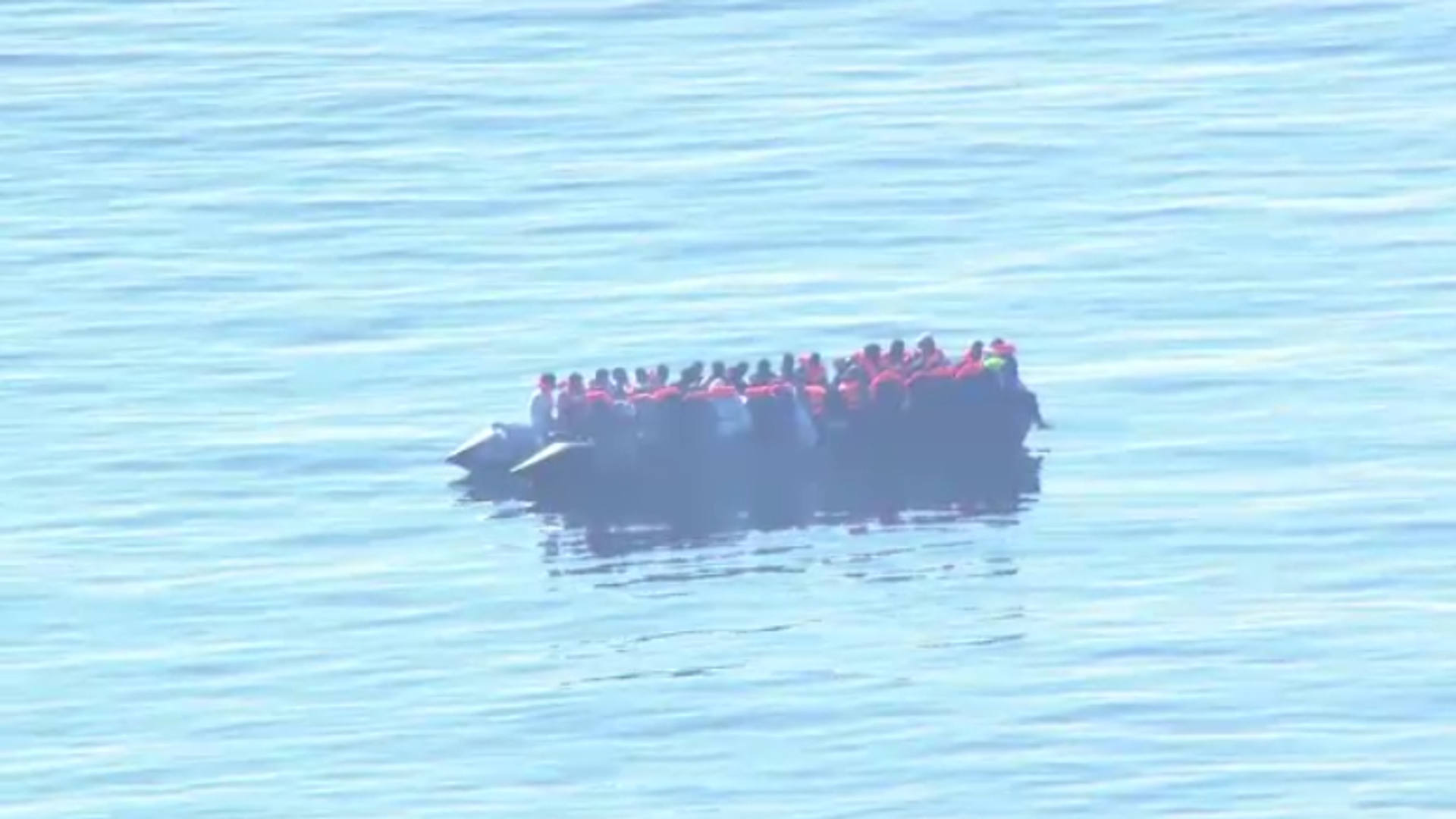
A boat carrying 51 migrants reached the shores of Dover after enduring a grueling 36-hour journey across the English Channel. The harrowing voyage underscores the ongoing challenges faced by migrants attempting to enter the UK via perilous sea routes.
The Arrival and Immediate Response
The vessel, packed with 51 individuals seeking asylum or a better life, arrived at Dover following an extended and dangerous crossing. Spending 36 hours at sea highlights the dire circumstances these migrants confront, including exhaustion, exposure to harsh weather, and limited access to food and water.
Upon arrival, authorities swiftly intervened to ensure the safety and health of everyone on board. Emergency services and border officials coordinated to provide immediate care, medical attention, and initial processing. The migrants’ arrival once again brings attention to the escalating number of small boats crossing the Channel, despite intensified efforts to deter such journeys.
Protests and Arrests Amid Rising Tensions
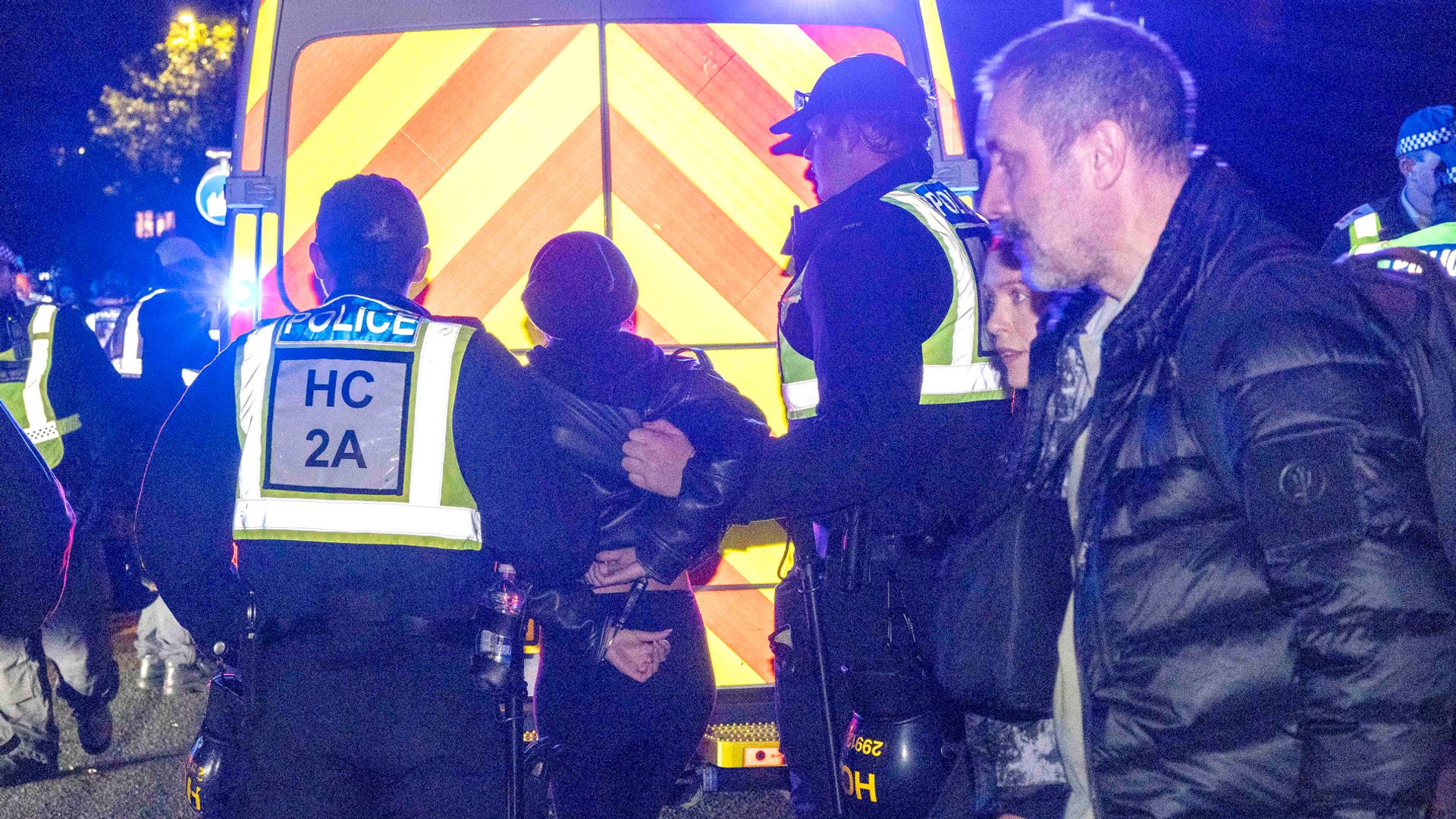
As the migrants disembarked, tensions flared onshore, leading to protests by groups either supporting or opposing migrant arrivals. Law enforcement officers detained six protesters during the incident, reflecting the growing polarization surrounding immigration issues in the UK.
These arrests signal the heightened emotional and political stakes surrounding migration. Activists advocating for migrant rights often clash with those pushing for stricter border controls, creating a volatile environment at key landing points like Dover.
Why This Moment Matters
The 36-hour sea crossing and the arrival of 51 migrants illuminate the persistent demand for safe and legal pathways into the UK. Despite government crackdowns and increased patrols, migrants continue to risk their lives in small boats, driven by conflict, poverty, and instability in their home countries.
Dover remains a critical entry point in this ongoing migration saga. The port’s proximity to continental Europe makes it a focal point for migrants hoping to reach British soil. The events surrounding this latest arrival highlight the complexity of balancing humanitarian concerns with national security and immigration control.
Authorities face the challenge of managing these arrivals humanely while addressing public concerns and maintaining border integrity. The arrests of protesters further emphasize the societal divide and the need for comprehensive immigration policies that consider security, human rights, and community impact.
Looking Ahead
This incident is a stark reminder that the migration situation will continue to evolve, demanding nuanced responses from policymakers and communities alike. The persistence of dangerous crossings calls for enhanced international cooperation, increased support for migrants, and sustainable solutions that address root causes driving people to undertake such perilous journeys.
As Dover and other coastal towns prepare for future arrivals, stakeholders must balance compassion with pragmatic strategies to ensure safety for migrants and local populations. The recent arrival after 36 hours at sea, coupled with the protests and arrests, paints a vivid picture of a multifaceted crisis requiring urgent and thoughtful action.