New research reveals that smacking children not only increases the risk of future behavioral problems but also negatively impacts their academic achievement. This finding adds to a growing body of evidence highlighting the harmful effects of physical punishment on children’s development and long-term success.
The Link Between Smacking and Behavioral Problems
Smacking, a form of physical discipline used by some parents and caregivers, has long been debated among psychologists and educators. The latest study firmly establishes that children who experience smacking are more likely to develop behavioral difficulties later in life. These problems can manifest as aggression, defiance, and trouble following rules, which in turn affect their social interactions and emotional well-being.
Experts suggest that physical punishment may undermine the parent-child relationship by fostering fear rather than understanding. This dynamic can hinder the development of self-regulation and empathy in children, essential skills for managing emotions and behavior effectively. Consequently, children subjected to smacking may struggle with impulse control and conflict resolution as they grow older.
Impact on Academic Performance
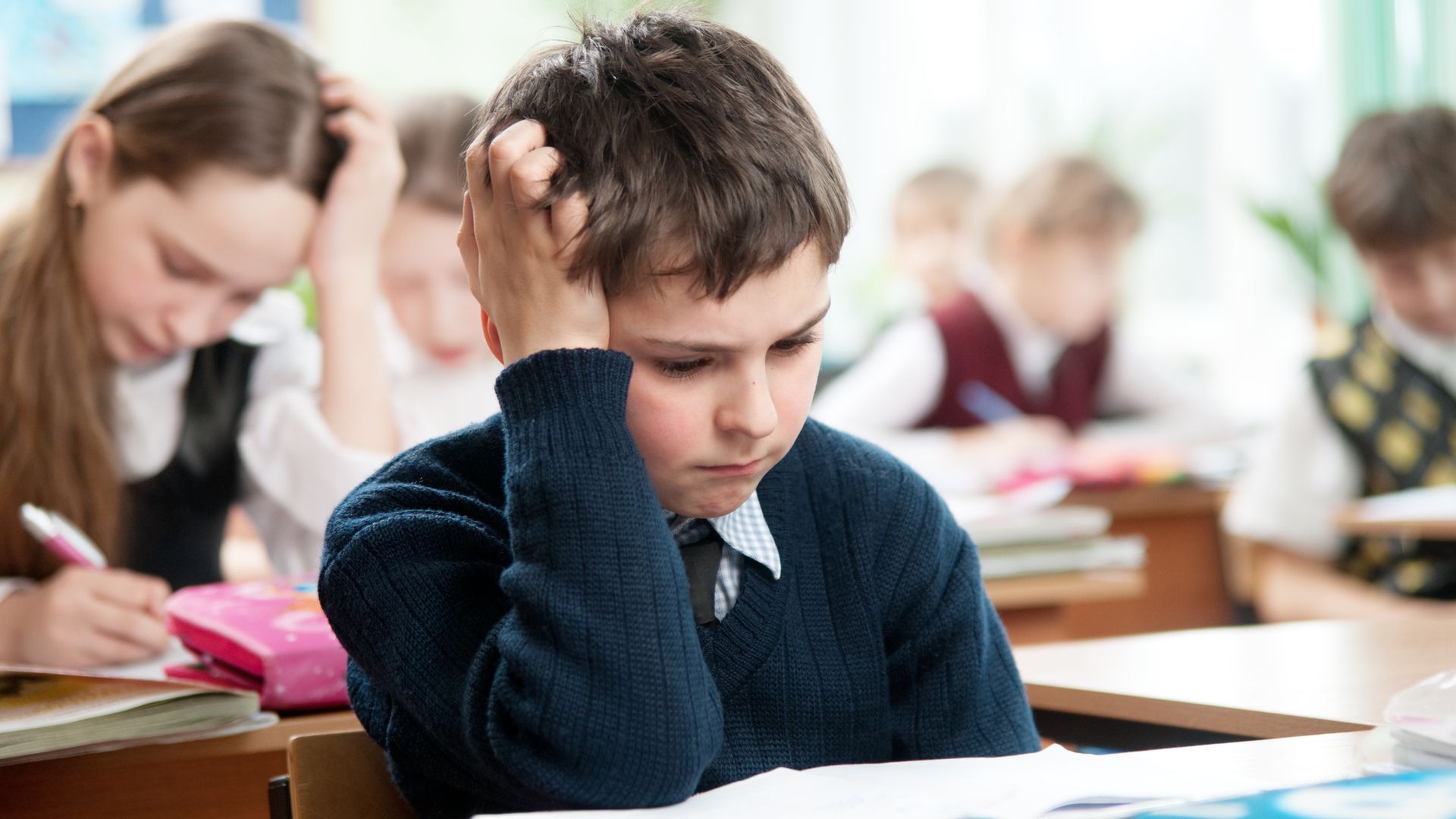
Beyond behavioral issues, the research highlights a significant decline in academic outcomes for children who have been smacked. The study draws a direct correlation between physical punishment and lower exam results, suggesting that the negative emotional environment created by smacking impairs concentration, motivation, and overall cognitive development.
Academic performance is a critical predictor of future opportunities, including higher education and employment prospects. Children facing behavioral challenges stemming from smacking may find it harder to engage in learning, complete assignments, and participate actively in class. These difficulties can accumulate over time, resulting in poorer exam scores and a diminished likelihood of academic success.
The study underscores how the effects of smacking extend well beyond immediate physical pain, influencing a child’s educational trajectory and long-term potential.
Why This Research Matters and What It Means for Parents
This research provides compelling evidence against the use of smacking as a disciplinary method. It emphasizes the need for parents, educators, and policymakers to reconsider physical punishment’s role in child-rearing practices. Alternative discipline strategies that promote positive reinforcement, communication, and emotional support have proven more effective in fostering healthy behavior and academic achievement.
In many countries, there is a growing movement to ban smacking and other forms of corporal punishment in homes and schools. This study adds weight to the argument that protecting children from physical discipline is not only a matter of safeguarding their rights but also a crucial step toward enhancing their developmental outcomes.
Parents seeking guidance on effective discipline may benefit from resources that focus on non-violent communication and behavior management techniques. Such approaches encourage respect, understanding, and cooperation, laying the groundwork for children’s success both inside and outside the classroom.
Looking Ahead: Building Supportive Environments for Children
As awareness of the detrimental effects of smacking grows, the challenge lies in implementing policies and programs that support families in adopting healthier disciplinary methods. Schools, healthcare providers, and community organizations play vital roles in educating parents and caregivers about the long-term consequences of physical punishment and equipping them with practical tools to nurture positive behavior.
By shifting away from smacking and towards empathetic, evidence-based discipline, society can improve children’s behavioral health and academic outcomes, ultimately fostering a generation better prepared to thrive in their personal and professional lives.
Takeaway: The new research provides unequivocal evidence that smacking children leads to both behavioral problems and worse exam results. Moving away from physical punishment towards supportive, non-violent discipline strategies is essential for promoting children’s well-being and academic success.