

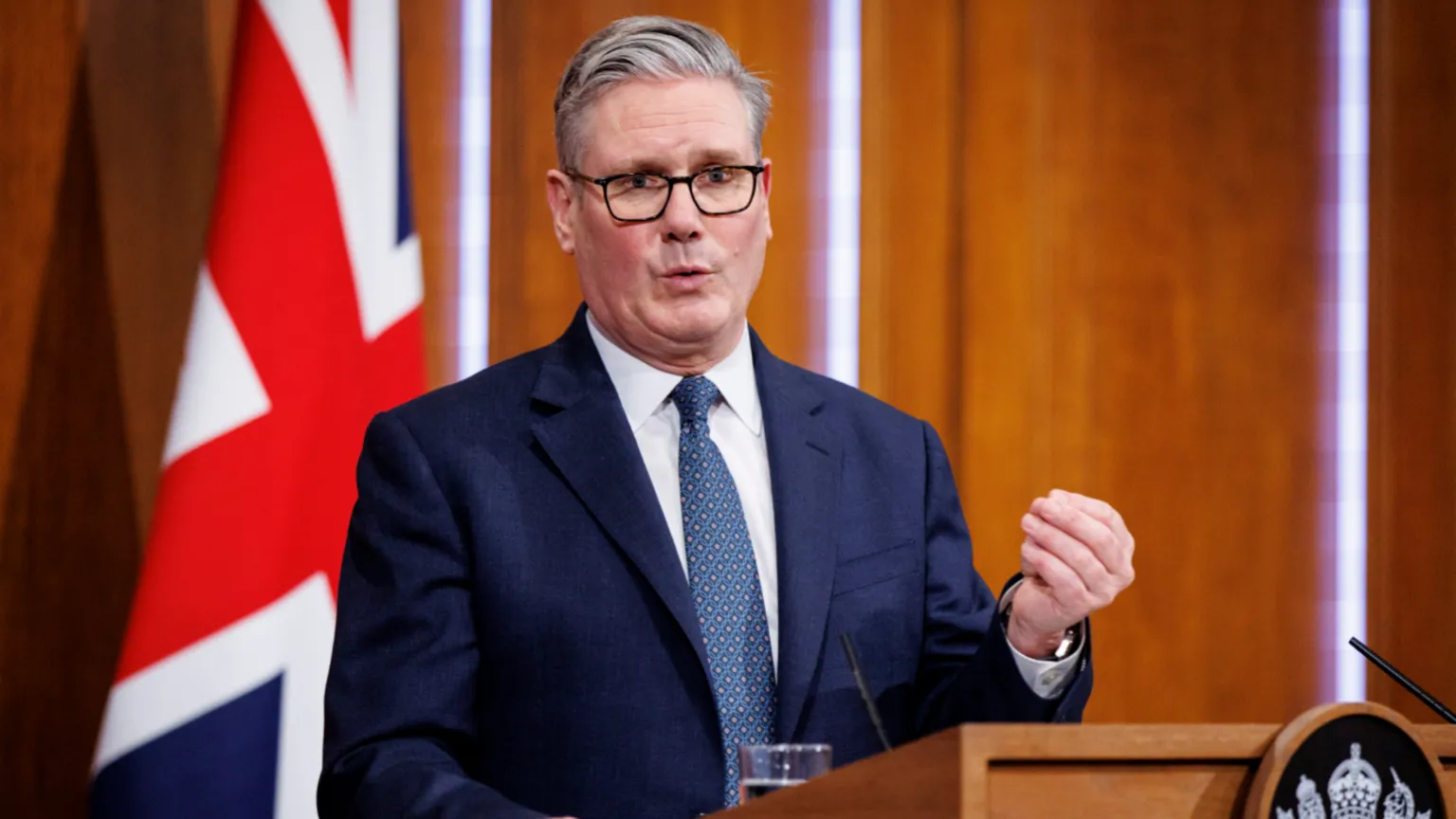
Prime Minister Sir Keir Starmer confronted mounting public anxiety on March 5, 2026, as the Middle East conflict deepened and thousands of British nationals remained stranded. Speaking from Downing Street, Starmer admitted the nation was “worried sick,” acknowledging fears over family safety, economic fallout, and the risk of wider escalation. His press briefing aimed to reassure a tense public but also underscored the immense challenges that lie ahead for the UK government amid a volatile international crisis.
Britons Stranded Abroad: A Massive Repatriation Challenge
Starmer addressed the urgent concern of the estimated 140,000 British nationals currently reported in the Middle East. While around 4,000 have already been safely repatriated, including those on a delayed evacuation flight now airborne from Oman, the prime minister emphasized the scale of the logistical operation.
“This is a huge undertaking,” Starmer said, comparing the efforts to the 2021 Afghanistan evacuation, but highlighting that this operation is “many times bigger.” He cautioned that bringing everyone home “is not going to happen overnight.”
The government’s cautious hope remains that the conflict will subside before a full-scale evacuation becomes necessary, but Starmer stressed the complexity of consular coordination in such an environment. The public’s perception of how well the government manages this aspect could become a defining measure of its crisis leadership—as seen in past foreign emergencies.
Economic Uncertainty and Energy Security Concerns
Alongside the human cost, Starmer acknowledged the growing economic anxiety triggered by the conflict. Echoing remarks from Labour’s Rachel Reeves, he insisted the UK’s existing economic strategy remains appropriate, especially given the current uncertainty.
However, the prime minister admitted that energy security has emerged as a pressing issue. He did not rule out future questions about whether the government might subsidize household energy bills should the crisis persist and energy markets remain unstable.
Starmer’s sober assessment conveyed that the war’s economic repercussions could intensify, placing further strain on families already worried about rising costs and inflation.
Managing Escalation Risks and Political Strategy
Addressing fears of wider escalation, Starmer warned the conflict “could continue for some time,” signaling the government’s preparedness for a prolonged period of instability.
The prime minister also used the opportunity to clarify the UK’s stance on Iran’s nuclear ambitions. He reaffirmed that a negotiated settlement remains the preferred approach and justified the UK’s decision not to participate in the initial military strikes.
This marked a shift from his earlier comments in the House of Commons, where he questioned the legality and planning behind the strikes. Now, Starmer framed the decision as a principled policy position, aligning with the UK’s longstanding diplomatic objectives.
Public opinion appears to back this cautious approach. Early polling suggests that had the UK joined the initial strikes, it would have faced significant backlash. Ministers currently express guarded confidence that they have navigated a difficult diplomatic and military landscape reasonably well.
Why This Moment Matters
The unfolding crisis presents a complex test for Starmer’s government on multiple fronts: humanitarian, economic, and geopolitical. The effectiveness of evacuation efforts will be scrutinized intensely by families desperate for news and safe passage.
Simultaneously, the government must balance economic resilience with the unpredictable shocks caused by conflict-driven energy disruptions. The prospect of a prolonged war raises questions about how Britain will sustain public support while managing international partnerships.
Ultimately, Starmer’s leadership during this crisis will shape public trust and influence the UK’s global standing. If the conflict escalates further or economic impacts worsen, the “worried sick” sentiment Starmer described could spread to government officials themselves, intensifying political pressures ahead.
As the situation evolves, the government’s next steps will be critical in reassuring the public and protecting British lives abroad. The coming days and weeks will reveal how effectively Starmer’s administration can steer the country through this turbulent period on the international stage.
