

Keir Starmer confronts a complex challenge: forging a distinct British policy on the escalating military conflict in the Middle East, diverging from the broader US and Israeli objectives. This delicate balancing act reflects his legal background and political evolution since he first warned against unlawful war in 2003.
From Iraq to Iran: Starmer’s Evolving Perspective on Military Intervention
Nearly 23 years ago, then barrister Keir Starmer QC cautioned in The Guardian that engaging in armed conflict without international law’s backing was perilous. Britain was on the verge of joining the Iraq War, a decision he opposed. Fast forward to 2026, now Prime Minister Sir Keir Starmer KC faces a new but equally fraught dilemma concerning US military actions targeting Iran in the Middle East.
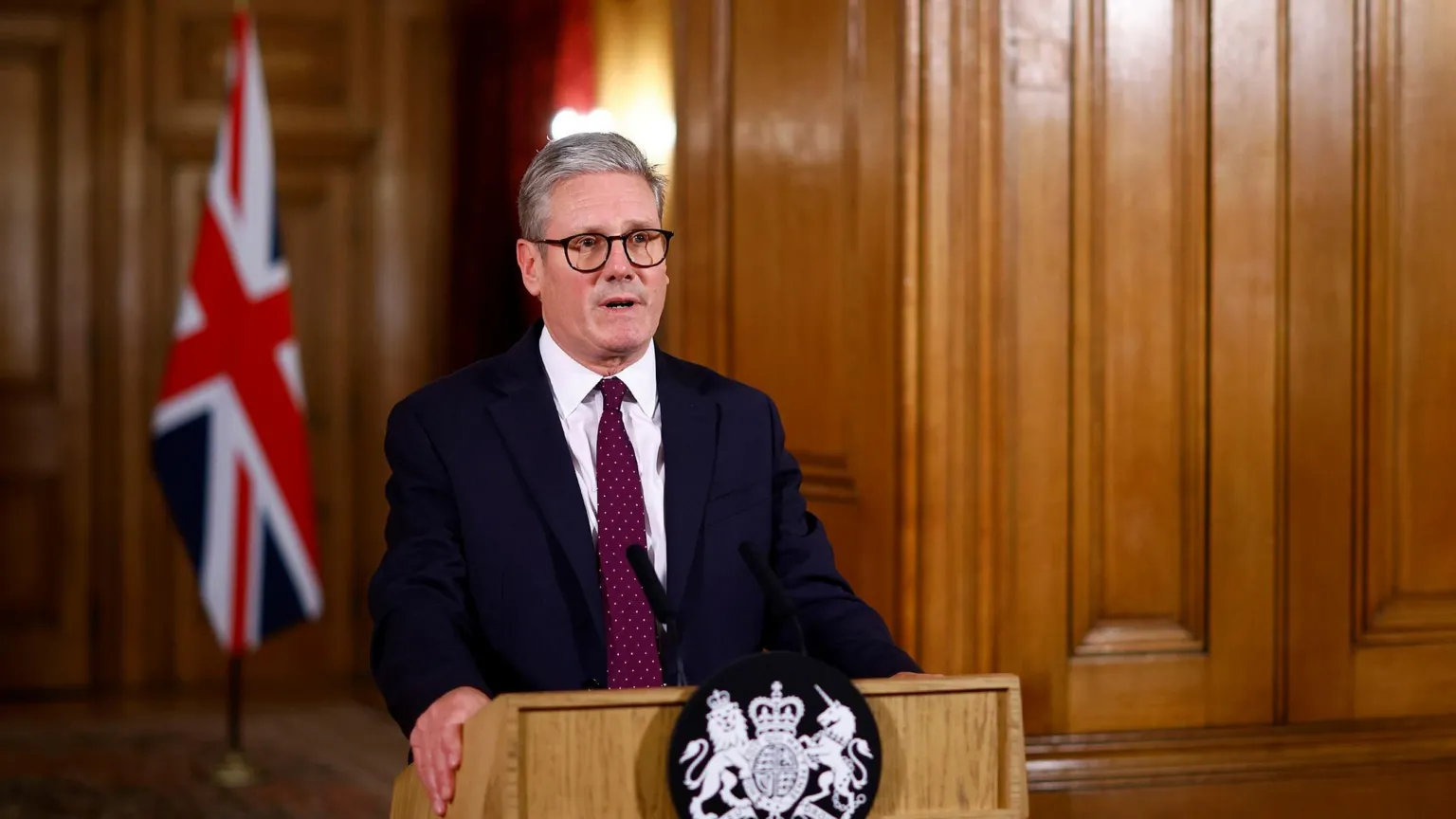
In a carefully crafted statement released by Downing Street on Sunday night, Starmer explicitly referenced the “mistakes of Iraq” and insisted that “we have learned those lessons.” This acknowledgement signals a conscious effort to avoid repeating past errors by emphasizing a restrained, UK-centric approach.
Starmer repeatedly invoked British interests and protection of British lives—underscoring his priority to frame UK involvement through the lens of national security, rather than broader geopolitical ambitions. This marked a clear distinction from the US and Israel, whose military strategies include regime change objectives.
Defining the UK’s Role: Limited Support Without Offensive Action
The UK government has taken a cautious stance by refusing to participate in offensive strikes against Iran. Despite intense pressure from some quarters to deepen military involvement, Starmer confirmed that Britain would not join “offensive action” against Iran.
However, a new position emerged: the UK will permit the US to use joint UK-US military bases to conduct targeted strikes aimed at degrading Iran’s missile and drone capabilities. This is framed as a defensive move to protect Gulf states, home to a large population of British citizens, from ongoing Iranian attacks.
Government officials stress this limited use of UK bases differs significantly from previous US requests for broader strike authorization, which Starmer resisted. The distinction aims to maintain a principled line between defending British interests and avoiding entanglement in regime change ambitions.
Political Divides in Parliament
This nuanced position has sparked vigorous debate in the House of Commons. Critics on the left, including the Greens and Liberal Democrats, argue that permitting any use of UK bases for strikes risks deeper UK involvement in an unlawful conflict. Conversely, some Conservatives and Reform UK members contend Britain should take a more assertive role to counter Iran’s threat regionally and protect British citizens.
Starmer’s government remains caught between these opposing pressures, reflecting a broader division within the Labour Party itself. The party’s sizeable parliamentary group contains a wide spectrum of views on foreign policy, a fault line that has sharpened since the conflict intensified in October 2023.
Geopolitical and Domestic Challenges Ahead
Starmer’s approach also aligns with other European leaders in the E3—Germany’s Chancellor Friedrich Merz and France’s President Emmanuel Macron—who share cautious views about military escalation. Yet, differences remain. Merz recently suggested that international law classifications may have limited influence on unfolding events, a stance contrasting with Starmer’s repeated emphasis on upholding international legal standards.
Moreover, Starmer’s closest international political allies, Australia’s Anthony Albanese and Canada’s Mark Carney, have openly supported US actions against Iran, underscoring the complexity of global alignment.
Domestically, the UK government faces logistical and humanitarian challenges involving over 300,000 British citizens in the Gulf. While officials downplay the immediate need for evacuation, prolonged conflict could force difficult decisions about government assistance and consular support.
Economic ramifications also loom large. Rising fuel prices and inflation threaten the UK’s fragile economic recovery. Additionally, the conflict intensifies debates on whether Britain is investing sufficiently and swiftly enough in its defence capabilities.
Why This Matters: Navigating a Fraught Foreign Policy Landscape
Starmer’s balancing act highlights the intricate web of considerations shaping Britain’s foreign policy today. The legacy of Iraq continues to inform cautious engagement, while protecting British lives and interests remains paramount.
His government must navigate internal party divisions, parliamentary scrutiny, and the shifting dynamics of international alliances—all amid an unpredictable and escalating Middle East conflict.
This situation encapsulates the broader challenges facing contemporary British leadership: how to uphold principles of international law and national interest while managing the realpolitik of global conflict and domestic political pressures.
As the conflict unfolds, Starmer’s carefully measured stance will be tested by events on the ground, parliamentary debates, and public opinion. The coming weeks and months will reveal whether this distinct UK approach can maintain its delicate equilibrium or be pulled toward deeper involvement.
