

President Donald Trump has launched a series of pointed attacks against UK Prime Minister Keir Starmer in recent days, taking every opportunity in front of cameras to question Starmer’s leadership and the UK’s response to the escalating tensions with Iran. Yet, despite Trump’s relentless barbs, Starmer remains confident he has made the right calls amid a complex international crisis.
Trump’s Public Rebuke and the UK’s Response
Trump has not held back in publicly chastising Starmer and the UK, famously remarking that Britain was once the “Rolls-Royce of allies” but implying Starmer now lacks decisiveness. The US president has repeatedly criticized Starmer for consulting with his “team” before making decisions, hinting that the prime minister is indecisive without American guidance. This strikingly blunt language underscores a widening rift between the UK and US leadership during a fraught geopolitical moment.
However, Downing Street has deliberately avoided engaging in a public spat, choosing instead to focus on the facts behind the disagreements. Sources within Whitehall suggest that Trump has misrepresented several key aspects of what actually transpired during private conversations between the two leaders.
For example, contrary to Trump’s claims, the UK neither requested nor offered to deploy aircraft carriers to the Gulf. British officials emphasize that while aircraft carriers provide mobile runways in areas without airfields, the UK already maintains a strategic land base nearby—RAF Akrotiri in Cyprus—which serves a similar purpose.
Official Requests from Washington
In reality, London has received three formal requests from Washington amid the Iran crisis:
- First, a request to use UK airfields for initial attacks, which the UK declined.
- Second, permission to use those airfields for defensive operations after Iran’s retaliatory strikes on neighboring countries, which the UK accepted.
- Third, ongoing negotiations about supporting safe passage through the Strait of Hormuz for vital oil tankers.
Officials also clarify that Starmer’s “consultation” with his team primarily involved discussions with the British military and allied nations to assess what was operationally feasible and diplomatically prudent. This contrasts sharply with Trump’s portrayal of the prime minister as hesitant and indecisive.
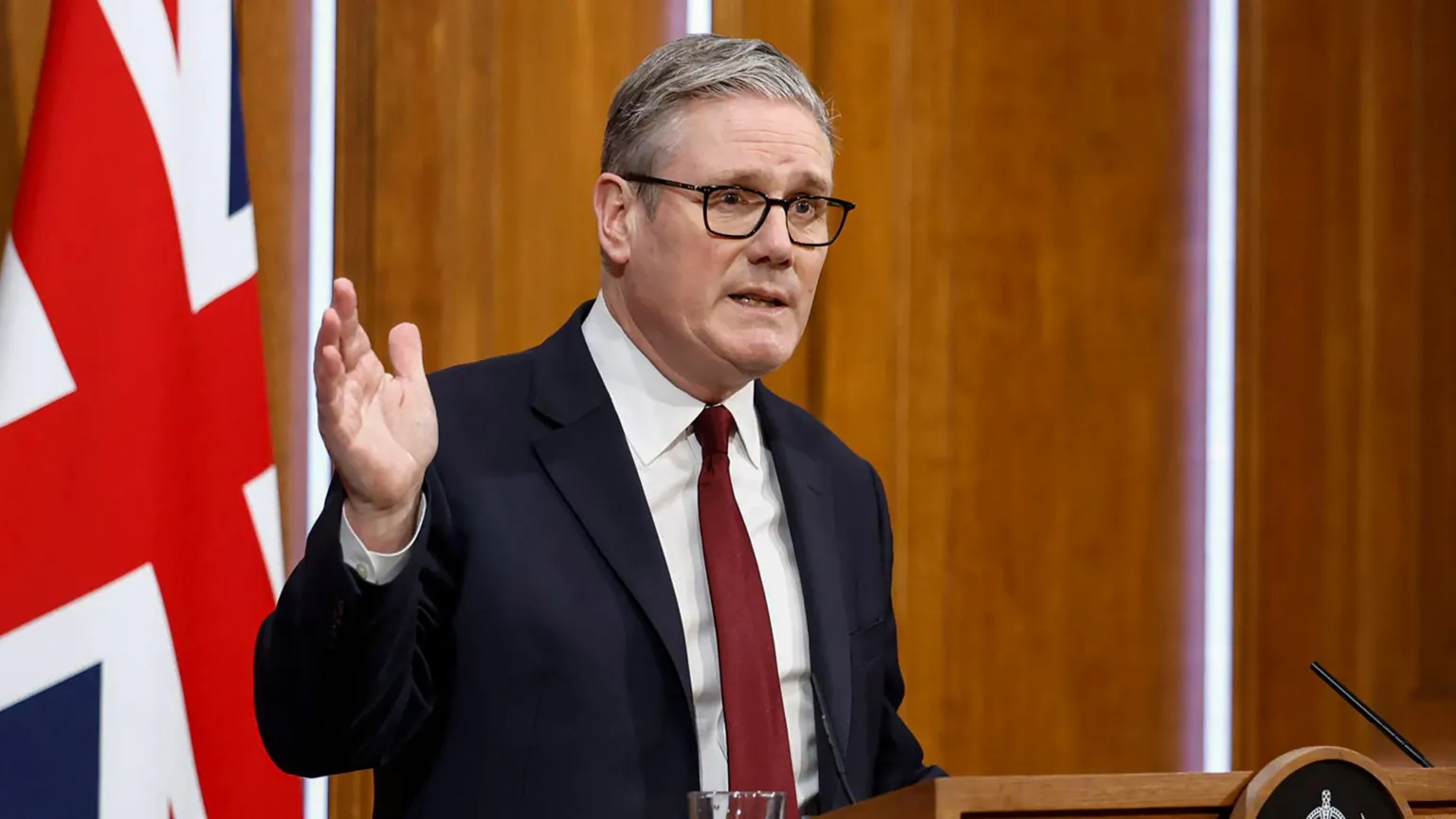
Starmer’s Calculated Approach: Lessons from History and Law
Beyond the surface disagreements, Starmer’s stance reflects a deeply considered judgment rooted in historical perspective and principles of international law. The prime minister draws a direct parallel between the current conflict and the controversial Iraq War two decades ago, a conflict he opposed at the time. He has reiterated this comparison publicly to emphasize caution and restraint.
Moreover, Starmer views the US and Israeli strikes against Iran as breaches of international law, a position shared by many in the UK political establishment and public. This legal framing is central to his decision-making and helps explain why he has avoided more aggressive military commitments despite pressure from Washington.
Critically, Starmer’s approach also aligns with the prevailing opinions within his own party and among British voters. Labour MPs, whose support is crucial for his administration, generally favor a cautious, law-based response rather than escalation. Similarly, public opinion in the UK tends to support diplomatic solutions over military intervention.
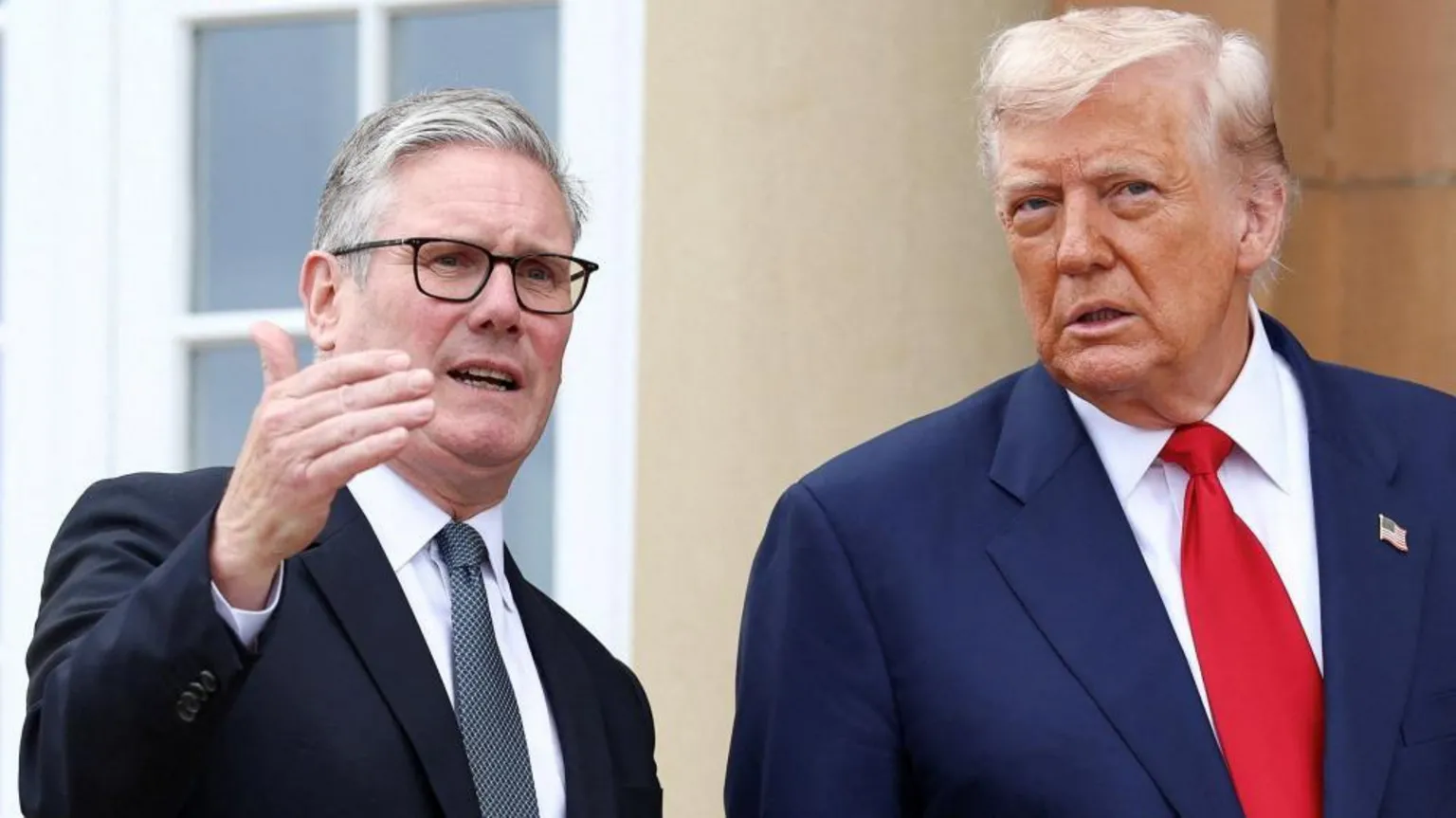
The Political Balancing Act
This alignment of Starmer’s stance with multiple constituencies—the party base, the public, and international law experts—creates a rare political consensus. It strengthens his confidence that his decisions are not only morally and legally sound but also politically sustainable. This consensus contrasts with Trump’s more unilateral, hardline approach, which has drawn criticism both within the US and internationally.
What This Means for UK-US Relations and the Future
Starmer’s firm position amid Trump’s vocal dissatisfaction signals a potential strain in UK-US diplomatic relations, one of the most important partnerships on the global stage. The frequency and bluntness of Trump’s public criticisms suggest he may find it difficult to move past this disagreement anytime soon.
The prospect of future joint appearances between Starmer and Trump promises to be politically charged and closely watched. Yet, Starmer remains undeterred, convinced that the evidence and unfolding circumstances have left him with limited viable options other than the path he has chosen.
This episode highlights the challenges leaders face when navigating complex international crises involving allies with divergent views. It also underscores the importance of principled leadership that balances legal frameworks, historical lessons, and domestic political realities.
For the UK, Starmer’s handling of the Iran conflict marks a defining test of his leadership on the world stage—one that could shape his legacy and Britain’s role in global security for years to come.
