Keir Starmer, the leader of the UK Labour Party, has made a resolute public commitment to prove his critics wrong as he confronts escalating calls for a leadership challenge. Determined to maintain his position, Starmer is positioning himself as a unifying figure amid internal party tensions, emphasizing the potential turmoil a leadership contest could wreak on the country’s political stability.
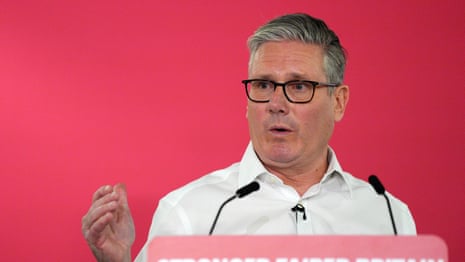
Starmer’s Firm Stand Against Leadership Turmoil
In recent weeks, speculation about a possible leadership challenge against Starmer has intensified. Some within Labour’s ranks express dissatisfaction with his direction and performance, urging a change at the helm. However, Starmer has categorically dismissed rumors of resignation or willingness to step aside. He argues that a leadership battle at this juncture would not only fracture the party but also distract from Labour’s broader mission to offer a credible alternative to the current government.

Starmer’s message is clear: internal conflicts must not undermine the party’s ability to focus on national issues such as economic recovery, public services, and social justice. By vowing to “prove doubters wrong,” he signals confidence in his leadership and determination to rally support from both party members and the wider electorate.

Context: Why Labour’s Leadership Matters Now
The Labour Party finds itself at a critical crossroads. After years in opposition, the party faces mounting pressure to present a strong, coherent vision that can challenge the Conservative government effectively. Starmer’s leadership has been scrutinized for its strategic decisions, messaging, and electoral performance, especially in key battleground areas.

Leadership challenges in major political parties often lead to public perceptions of instability, which can erode voter confidence. For Labour, which aims to capitalize on government missteps and growing public dissatisfaction, maintaining a united front is essential. Starmer’s insistence on avoiding a damaging leadership contest underscores the stakes involved—not just for his career but for the party’s future electoral prospects.
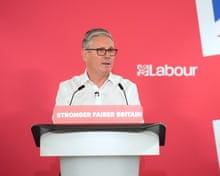
Moreover, the political landscape remains volatile, with pressing issues such as inflation, healthcare, and international relations dominating public discourse. Starmer’s focus on steering Labour through these challenges without internal distractions aims to position the party as a government-in-waiting capable of delivering tangible change.

What This Means for Labour and UK Politics
Starmer’s vow to defy his critics carries significant implications. By consolidating support and rejecting calls for a leadership contest, he aims to stabilize Labour’s internal dynamics and concentrate on policy development and voter engagement. This approach could enhance Labour’s appeal to undecided voters who prioritize political stability and clear governance over factional disputes.

However, the pressure on Starmer remains intense. Persistent dissatisfaction within certain party factions means he must continuously demonstrate effective leadership and responsiveness to grassroots concerns. How he manages these internal challenges will shape Labour’s trajectory ahead of upcoming elections.

For the broader UK political scene, Starmer’s stance signals an attempt to avoid the pitfalls of party fragmentation witnessed in previous years. A united Labour under his leadership could mount a more formidable challenge to the Conservative government, potentially reshaping the political balance.
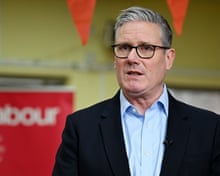
Looking Ahead: Labour’s Path Forward
As Starmer commits to proving the doubters wrong, all eyes will be on his next moves. Will he succeed in strengthening party unity and regaining public trust? The coming months will test his leadership as Labour prepares for future electoral battles.
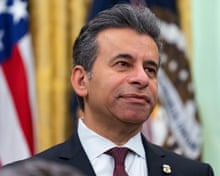
Ultimately, Starmer’s determination to avert a leadership challenge reflects a broader political calculation: a stable, focused opposition is crucial for the health of UK democracy. Whether this strategy pays off remains to be seen, but it clearly defines Starmer’s leadership resolve in a period of significant political uncertainty.

For voters and political observers alike, the unfolding dynamics within Labour provide a window into the challenges of party leadership and the high stakes of British politics today.