

The strategic Strait of Hormuz, a crucial maritime chokepoint for global energy supplies, has become the epicenter of a burgeoning fuel crisis. Recent escalations involving Iran and the aftermath of US-Israeli strikes have dramatically curtailed tanker traffic through this vital waterway, sending shockwaves through global fuel markets and triggering shortages in multiple countries.

The Strait of Hormuz: A Global Energy Lifeline Under Threat
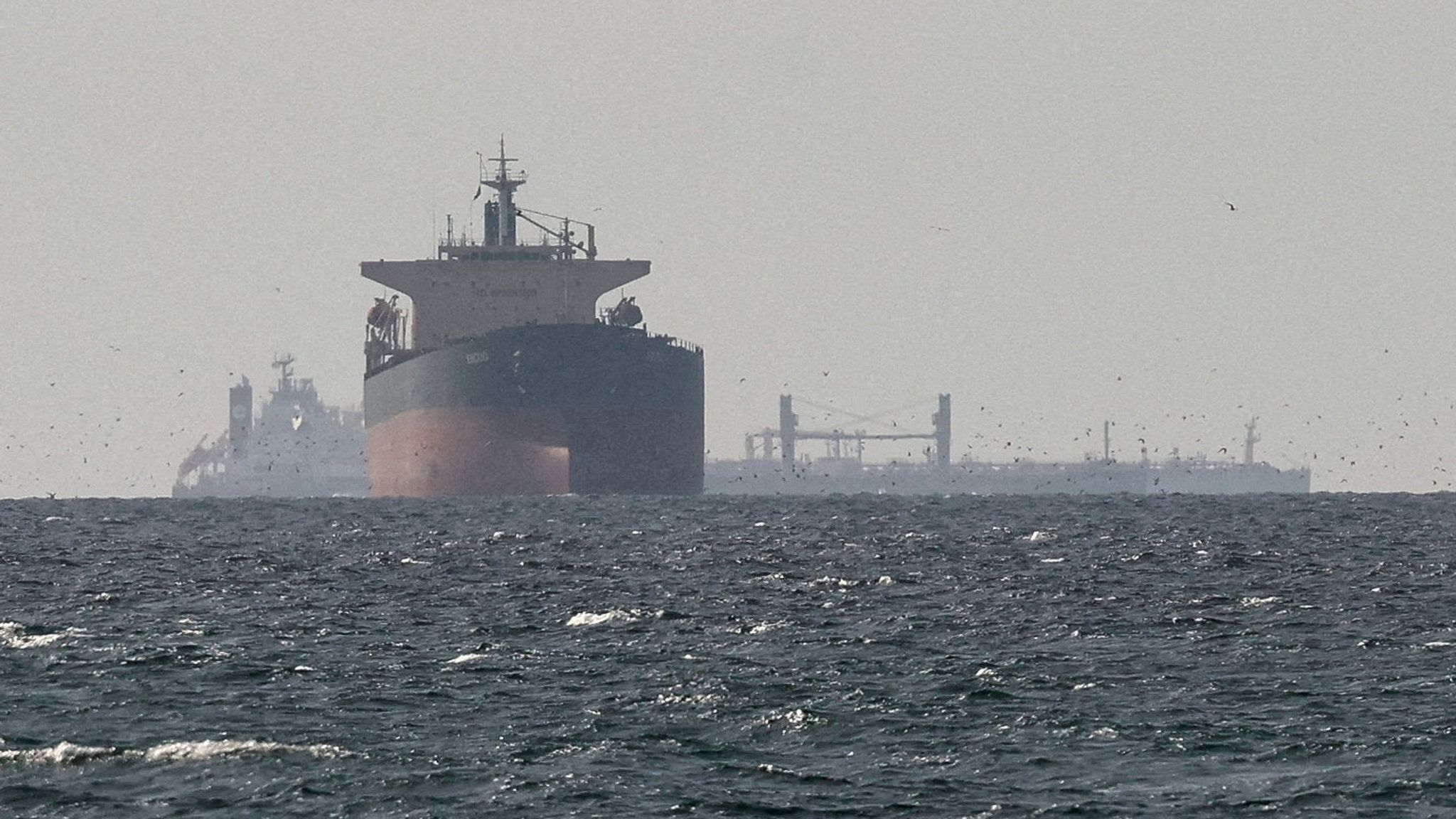
The Strait of Hormuz, a narrow passage between the Persian Gulf and the Gulf of Oman, channels about 20% of the world’s oil and gas exports daily—more than 20 million barrels of oil and petroleum liquids. Its significance cannot be overstated: any disruption ripples across international markets. Since late February, following targeted strikes by the US and Israel on Iranian interests, tanker movements through the strait have plummeted by 95%, effectively bringing shipments to a near halt.
Iran, asserting control over the waterway, has imposed selective restrictions, allowing passage mainly to vessels linked to Pakistan, China, and India. Yet, retaliatory attacks and mounting tensions have forced many ships to remain docked, causing storage facilities in oil-producing nations to fill up and, in some cases, halting production altogether.
Global Impact: Where Fuel Shortages Are Felt Most
Mainland Europe Faces Rising Jet Fuel Risks
Europe, heavily reliant on imports transiting via the Strait of Hormuz, is already grappling with signs of strain. Michael O’Leary, CEO of Europe’s largest low-cost airline, Ryanair, has warned of looming jet fuel shortages, particularly in May and June. Some European countries are already witnessing disruptions; for example, Italy has enacted temporary fuel restrictions at four airports.
However, Italian aviation officials attribute these constraints largely to the surge in air traffic during the Easter holidays rather than supply issues directly linked to Middle East tensions. Nonetheless, the broader picture remains concerning. The increased cost of fuel has forced airlines such as Scandinavian carrier SAS to cancel over 1,000 flights in April, citing soaring aviation expenses.
France is also feeling the pressure: nearly 18% of petrol stations reported fuel shortages recently, illustrating how the ripple effects are materializing beyond just price hikes.
The UK: Stable but Vulnerable
In the United Kingdom, fuel supplies have remained largely stable despite some petrol stations experiencing pump outages. Allan Leighton, executive chair of Asda—the UK’s second-largest fuel retailer—acknowledged high demand has occasionally outpaced supply, leading to temporary shortages at some stations.
Yet, industry experts urge caution. Former BP executive Nick Butler stressed the necessity for the UK government to proactively plan for potential fuel outages, warning that the situation could deteriorate if tensions escalate further.
The Americas: Compounded Crisis in Peru and Cuba
In South America, countries like Peru face a double blow. A ruptured gas pipeline combined with supply disruptions tied to the Iran conflict has pushed the government to declare emergencies and urge citizens to limit travel. In Cuba, longstanding US sanctions compounded by disrupted oil shipments have intensified fuel scarcity since January, squeezing the island nation’s energy resources.
Meanwhile, in the United States, fuel prices have surged, with the average gallon of gasoline crossing $4 last week—the highest since 2022—highlighting how global supply shocks translate into domestic economic strain.
Asia and Australia: Emerging Crises and Government Responses
Across Asia, the crisis manifests in diverse ways. South Koreans have been panic-buying polyethylene-based bin bags amid fears of naphtha shortages—a refined oil product essential for plastics manufacturing. India’s western state of Gujarat has seen its ceramics industry halt operations for nearly a month due to gas shortages.
Vietnam’s airlines reportedly plan to reduce flights in response to fuel scarcity, while the Philippines declared a national energy emergency, citing imminent dangers from critically low energy reserves.
In Australia, over 600 service stations recently ran dry, prompting energy minister Chris Bowen to call for calm and discourage panic buying. Despite 410 stations running out of diesel and 193 without petrol, the government reassures that overall supply remains stable.
Africa: Supply Strains and Energy Conservation Efforts
South Africa has experienced long queues at fuel stations and occasional outages due to surging demand. In the island nation of Mauritius, the absence of a crucial March shipment triggered government-imposed energy-saving measures, including restrictions on nonessential electricity use.
Why the Strait of Hormuz Crisis Matters Globally
The Strait of Hormuz’s disruption illuminates the fragility of global energy supply chains and the geopolitical complexities entwined with energy security. Countries heavily dependent on oil and gas transiting this narrow waterway now face a precarious balancing act: managing immediate shortages while seeking alternatives to ensure economic stability and public welfare.
Fuel shortages extend beyond price spikes; they threaten industries, transportation, and daily life, especially in less affluent nations where alternative supply sources are limited. The ongoing Iran-related tensions underscore the urgency for diversified energy routes and resilient supply frameworks.
For governments and industries worldwide, the current crisis serves as a stark reminder that geopolitical conflicts can swiftly translate into tangible economic and social challenges.
Looking Ahead: Navigating Uncertainty and Ensuring Stability
As the conflict around the Strait of Hormuz evolves, vigilance remains paramount. Stakeholders must anticipate further disruptions and prepare contingency plans to mitigate impacts. Enhanced diplomatic engagement, investment in alternative energy infrastructure, and prudent resource management will be crucial in navigating this volatile landscape.
For consumers and markets alike, understanding the interconnectedness of global energy dynamics offers clarity amid uncertainty. While immediate relief may come from diplomatic resolutions or logistical adjustments, the broader imperative lies in building a more secure and adaptable energy future.