The UK government is intensifying its fight against illegal waste dumping in England by introducing stringent new identity, criminal background, and technical assessments for waste carrier registrations. This decisive move aims to block so-called “dead dog” companies—fraudulent or defunct entities—from exploiting the system and worsening environmental harm.
What Are the New Waste Carrier Registration Checks?
Waste carriers, those legally authorized to transport waste, must now undergo a comprehensive vetting process before registration approval. The government’s enhanced checks will verify the true identity of applicants, scrutinize their criminal records, and evaluate their technical capability to carry waste responsibly.
Previously, the registration process allowed some loopholes where bogus or inactive companies could obtain licenses with minimal oversight. These “dead dog” entities often facilitated illegal dumping activities, leaving communities vulnerable to hazardous waste pollution and costly clean-up efforts.
Under the new regulations, applicants will need to provide robust proof of their identity and demonstrate that their business is operational and compliant with environmental standards. Authorities will also cross-check criminal databases to exclude individuals or businesses with histories of environmental offenses or fraud.
Why These Changes Matter for Combating Illegal Dumping
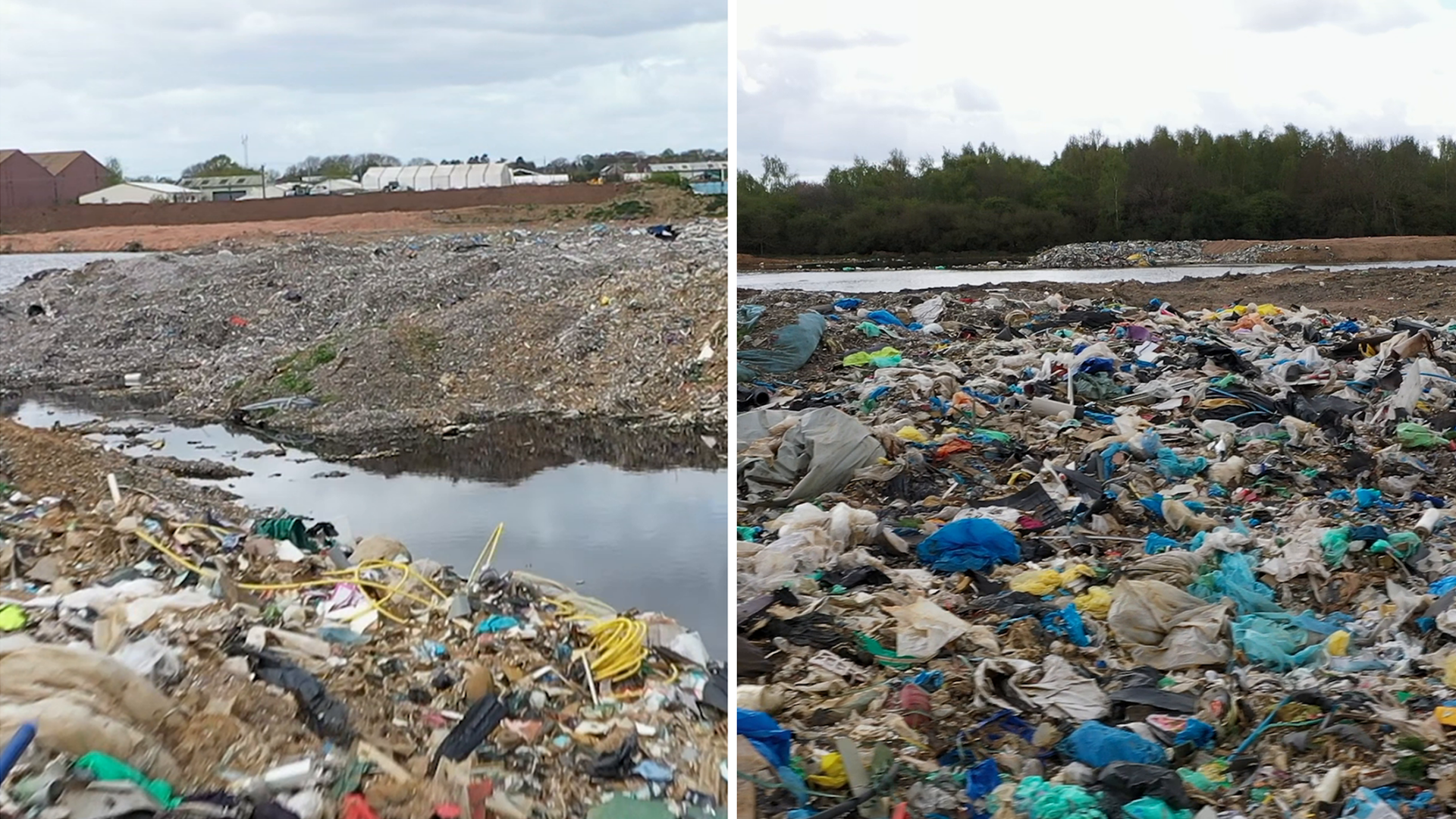
Illegal waste dumping presents a significant environmental and public health threat across England. Unsanctioned disposal sites contaminate soil, water supplies, and air quality, often with toxic materials. They also undermine legitimate waste management businesses by creating unfair competition and eroding public trust.
The government’s crackdown on “dead dog” registrations directly targets one of the root causes enabling illegal waste activities. By ensuring only credible, law-abiding carriers receive licenses, enforcement agencies can better monitor waste movements and hold offenders accountable.
Environmental groups and local councils have long called for tougher controls to prevent unscrupulous operators from abusing the waste carrier system. These new measures respond to those demands by closing registration loopholes and strengthening regulatory oversight.
What This Means for Waste Carriers and Communities
Waste carriers seeking registration should prepare for a more rigorous application process that demands transparency and compliance. Existing license holders may also face periodic reassessments to ensure ongoing adherence to the new standards.
For communities, the enhanced checks promise cleaner neighborhoods and safer environments by disrupting the networks that enable illegal dumping. Reducing unauthorized waste disposal helps protect natural habitats, reduces health risks, and lowers public expenditure on environmental remediation.
Moreover, the government’s initiative aligns with broader sustainability goals aimed at improving waste management infrastructure and promoting responsible recycling and disposal practices across England.
Looking Ahead: Strengthening Environmental Enforcement
The introduction of tougher registration criteria marks a significant step in England’s environmental enforcement strategy. It reflects a growing recognition that combating illegal waste requires not only reactive penalties but also proactive measures to prevent malpractice at the registration stage.
Enforcement agencies will likely complement these checks with increased inspections and enhanced penalties for violations. Together, these efforts aim to create a robust regulatory framework that deters illegal waste activities and fosters a culture of environmental responsibility.
As the new system rolls out, stakeholders including waste carriers, local authorities, and environmental advocates will monitor its effectiveness in curbing illegal dumping. Continued collaboration and transparency will be essential to adapt and refine policies for long-term success.
Ultimately, these reforms offer a critical opportunity to safeguard England’s environment, promote public health, and ensure that waste management operates within a fair and accountable system.