The Ministry of Defence (MoD) has confirmed a technical issue aboard one of the United Kingdom’s most significant warships while it was docked in Norway. This incident raises questions about operational readiness and maintenance protocols for the Royal Navy’s flagship vessels, especially amid increasing geopolitical tensions in Northern Europe.
Incident Details: What Went Wrong on the Warship
The technical problem was identified while the warship was stationed in a Norwegian port, engaged in routine operations or joint exercises. Although the MoD has not disclosed the exact nature of the malfunction, sources familiar with naval operations suggest it could involve critical systems such as propulsion, navigation, or power management.
These systems are vital for the ship’s performance and safety, particularly during deployments in strategically sensitive areas like the North Atlantic and Arctic regions. The warship in question ranks among the largest and most advanced vessels in the Royal Navy, commanding respect as a symbol of British maritime strength.
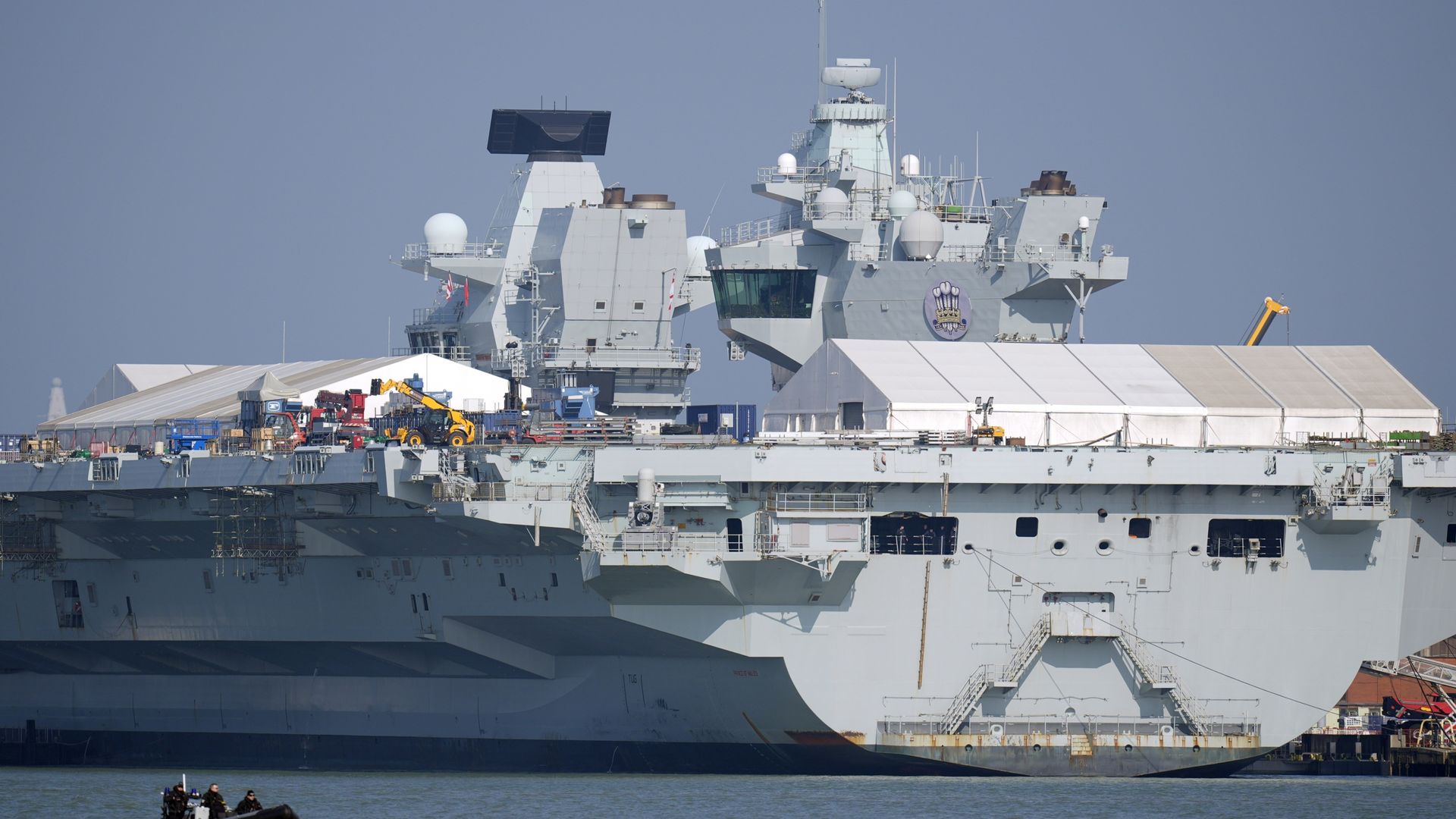
Docking in Norway represents a crucial part of the UK’s commitment to NATO and regional security partnerships. The presence of such a major asset underscores the importance of maintaining seamless operational capabilities. However, the emergence of a technical fault during this deployment has prompted immediate attention from the ship’s crew and shore-based support teams.
Implications for Royal Navy Operations and Regional Security
The Royal Navy has long relied on its fleet of large warships to project power, conduct surveillance, and provide rapid response in volatile environments. A technical fault on one of these vessels can disrupt planned missions and affect the broader strategic posture of the UK’s naval forces.
Given the current geopolitical climate, especially with heightened tensions involving Russia’s military activities near Norway and the Arctic Circle, maintaining a fully operational fleet is paramount. The UK’s naval deployments in these waters serve not only military objectives but also diplomatic signals reinforcing alliances and deterrence.
While the MoD has assured that the issue is being addressed promptly, the incident highlights the challenges of sustaining advanced warships far from home ports. Technical glitches, even minor ones, can cascade into operational delays or reduced combat readiness if not swiftly resolved.
What This Means for the Future of UK Naval Readiness
Modern warships are complex vessels integrating cutting-edge technology, which demands rigorous maintenance and constant technical vigilance. This event may prompt a review of maintenance schedules, crew training, and contingency protocols to minimize downtime during critical deployments.
Furthermore, it serves as a reminder of the logistical difficulties facing the Royal Navy as it operates globally. Ensuring rapid repair and support capabilities in foreign ports like those in Norway is essential for sustaining prolonged missions and safeguarding national security interests.
Ultimately, the swift detection and response to the technical fault demonstrate the professionalism and resilience of the Royal Navy. However, it also underscores the necessity for ongoing investment in fleet modernization and maintenance infrastructure to prevent similar issues in the future.
The road ahead involves balancing technological advancement with operational reliability. As the UK continues to assert its naval presence in key strategic areas, every component of its warships must perform flawlessly to maintain deterrence and uphold defense commitments.
Full details of the technical issue have not yet been released, but the incident is a noteworthy moment in the ongoing narrative of the UK’s maritime defense capabilities.