The migrant crisis in Calais has escalated into a persistent challenge that increasingly tests the resolve and cooperation of both British and French governments. Thousands of desperate individuals camp in makeshift settlements, all driven by the hope of crossing the Channel Tunnel and reaching the United Kingdom.
These migrants employ various methods to enter the UK, from stowing away on freight lorries bound for cross-Channel ferries to more daring and dangerous attempts involving the Channel Tunnel itself. The complexity and scale of the problem have grown significantly in recent years, prompting urgent calls for stronger, more coordinated responses.
__IMAGE_PLACEHOLDER_1__
How the Migrant Crisis in Calais Developed
The situation in Calais is not a sudden phenomenon but rather the result of decades of migration pressures and evolving policy responses. The roots of the current crisis can be traced back to 1999 when the Sangatte refugee camp was established near the French port. This facility quickly became a focal point for asylum seekers and people traffickers aiming to reach the UK.
However, the camp’s existence was highly controversial. In response to mounting public and political pressure, France’s then Interior Minister, Nicolas Sarkozy, ordered its closure between 2001 and 2002. This decision triggered riots and unrest, but it did not halt migration flows. Instead, it pushed migrants to form informal and often dangerous camps, collectively known as “the Jungle,” around Calais.
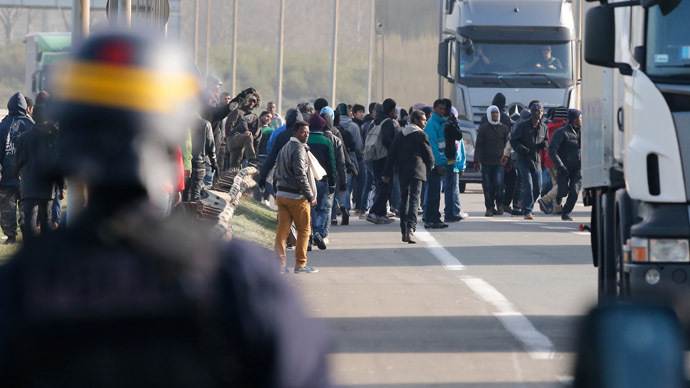
Today, French authorities estimate that about 3,000 migrants reside in these makeshift camps, although independent assessments suggest the number could be considerably higher. These camps have become flashpoints of humanitarian concern and political debate, symbolizing the broader European migration crisis.
The issue gained renewed media attention in September of the previous year when around 235 migrants stormed a ferry bound for the UK. Such incidents underscore the lengths to which migrants are willing to go to reach British soil. Official data reveals that during 2014 and 2015, Border Force and French authorities intercepted more than 39,000 illegal Channel crossing attempts, doubling the previous year’s figures. Eurotunnel alone reported blocking approximately 37,000 attempts since January of the same year.
Security Measures and Their Challenges
In response to these challenges, French and British authorities, along with cross-Channel transport operators, have invested heavily in security infrastructure and enforcement. The Calais Chambers of Commerce holds responsibility for port security, and the UK government has committed significant financial resources to aid France in managing the crisis.
In late 2014, the UK pledged £12 million over three years to assist French efforts. More recently, the British government allocated an additional £2 million to establish a secure zone specifically for UK-bound lorries at Calais. Following this, a further £7 million was promised to enhance security at both Calais and the Channel Tunnel entrance. Among these measures is the deployment of the “National Barrier Asset,” a robust fencing system designed to reinforce the perimeter around the terminal at Coquelles.
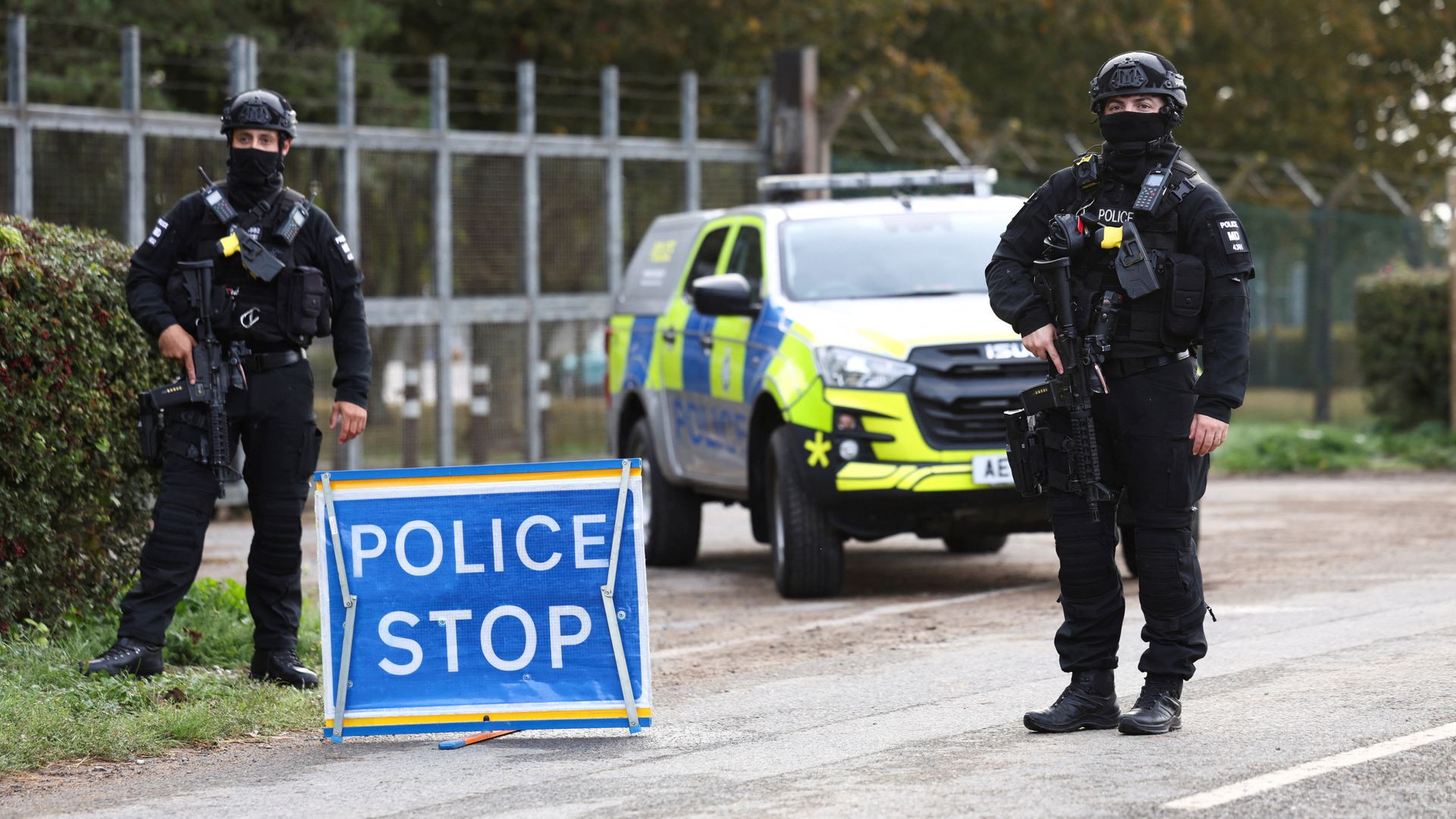
Physical barriers now include 16-foot (5-meter) fences topped with razor wire coils and monitored by an extensive network of CCTV cameras. The port gates and external areas are patrolled by heavily armed French riot police. Eurotunnel alone has spent £9.2 million on security within the first half of 2015, covering new fences, advanced cameras, infra-red detectors, and additional guards.
Despite these efforts, migrants continue to find ways to breach security. Eurotunnel describes the situation as involving “nightly incursions,” where groups of hundreds attempt to infiltrate the area simultaneously, often by climbing over or cutting through fences to hide on trains.
__IMAGE_PLACEHOLDER_2__
Law Enforcement and Broader European Context
French police face a daunting task in managing the mass influx of migrants. They have faced criticism for removing migrants from lorries only to release them a few miles away, where many return to Calais. Yet, the scale of the challenge is immense: over 18,000 migrants were arrested in the first half of 2015 alone.
The police prioritize safety, especially on highways where migrants attempt dangerous crossings. An additional 120 officers have been deployed to Calais to help manage the situation. Meanwhile, France struggles with multiple migration routes, including those crossing from Italy, where tens of thousands have arrived by boat from Africa in the same year.
The UK’s appeal as a destination is part of a larger European migration story. War, persecution, and instability in countries like Syria, Afghanistan, Eritrea, and Somalia drive many to seek asylum. The UK attracts migrants for various reasons: the English language, perceived better job prospects, existing family ties, and the belief in stronger social support systems.
Natacha Bouchart, Mayor of Calais, has suggested that migrants see the UK as a “soft touch” for benefits and black market employment, though research offers mixed conclusions on this point. According to Eurostat, Germany received the highest number of non-EU asylum seekers in 2014, followed by Sweden, Italy, France, Hungary, and the UK, highlighting that Britain is one of several destinations in Europe facing migration pressures.
__IMAGE_PLACEHOLDER_3__
Origins of Migrants and Impact on the UK
The United Nations High Commissioner for Refugees (UNHCR) reports that most migrants in Calais flee conflict or persecution in countries such as Syria, Eritrea, Somalia, and Afghanistan. Eritrea topped the list of asylum seekers applying to the UK in the year ending March 2015.
Both the UK and France have introduced aid programs aimed at addressing the root causes of migration, including conflict resolution and development assistance in migrants’ home countries.
The exact number of migrants who successfully cross the Channel remains uncertain. Home Secretary Theresa May acknowledged that some migrants do arrive in the UK but has refrained from releasing precise figures for security reasons. Official asylum applications numbered 25,020 in the year ending March 2015; however, these statistics do not specify entry points, leaving gaps in understanding the scale of illegal crossings via Dover.
Local authorities in Kent, where many migrants arrive after crossing, report significant strain. Kent County Council cares for over 600 unaccompanied asylum-seeking children. Council leader Paul Carter highlights the mounting pressures on social services caused by the influx.
Operation Stack and Its Consequences
Operation Stack is a contingency plan activated by Kent Police to manage freight traffic on the M20 motorway when cross-Channel services face disruption. This tactic effectively converts the motorway into a vast lorry park, with thousands of trucks queued for hours or days.
Since its inception in 1996, Operation Stack has been implemented nearly 100 times, often triggered by migrant interventions, adverse weather, or industrial action. While typically short-lived, the summer months of 2015 witnessed unprecedented use of the operation, causing widespread delays and economic disruption in Kent and beyond.
__IMAGE_PLACEHOLDER_4__
Why the Calais Crisis Matters
The migrant crisis in Calais encapsulates the complex interplay of humanitarian, political, and security challenges facing Europe today. It highlights the difficulties in balancing border control with human rights, international obligations, and regional cooperation.
For the UK and France, the crisis demands sustained collaboration and innovative solutions that go beyond physical barriers and law enforcement. Addressing the underlying causes of displacement, improving processing of asylum claims, and ensuring humane treatment of migrants remain critical.
Ultimately, Calais is a flashpoint reflecting broader global migration trends. Solutions will require long-term commitment from governments, international organizations, and civil society to manage migration flows effectively while upholding dignity and safety for all involved.