Across the globe, far-right movements are gaining attention for their increasingly aggressive and anti-democratic stances. While some factions embrace violence openly, even the less extreme far-right populist groups pose significant dangers to democratic institutions and social cohesion. Yet, this surge does not simply represent a repeat of historical fascism; it reflects a complex, evolving political reality that demands careful scrutiny.

Understanding Today’s Far-Right Landscape
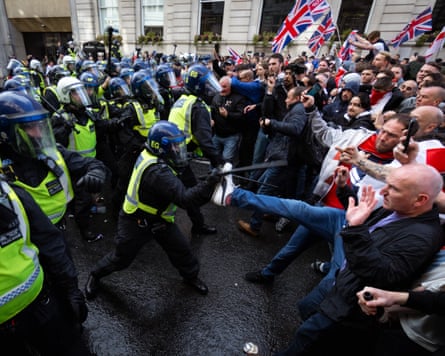
Modern far-right groups exhibit a broad spectrum of ideologies and tactics. At one extreme, there are openly violent organizations that reject democratic norms and promote exclusionary, often racist agendas. These groups actively undermine public trust in democratic processes through intimidation and disruption.

On the other end, far-right populism manifests in more subtle ways, often cloaked in nationalist rhetoric and anti-elitist sentiment. Leaders and movements in this category exploit economic anxieties, cultural fears, and a sense of disenfranchisement among certain populations. They promise a return to a perceived lost greatness, frequently blaming immigrants, minorities, and political establishments for social problems.

This populist approach differs from classic fascism in key ways. While historical fascism entailed totalitarian control, militarism, and overt state repression, many contemporary far-right movements operate within democratic structures—even as they seek to erode them from within.

Why Far-Right Populism Is a Profound Threat
Despite variations in form and intensity, far-right populism presents a serious challenge to democratic values worldwide. Its rise often correlates with increased social polarization, intolerance, and hostility toward minority groups. The rhetoric fosters division and can incite violence, threatening social peace and stability.

Moreover, far-right populists frequently undermine key democratic institutions such as the judiciary, free press, and electoral systems. By sowing distrust in these pillars, they weaken the checks and balances that protect civil liberties.

Their promises, though appealing to some segments of the population, are often unattainable or deliberately misleading. They tend to scapegoat vulnerable communities rather than address systemic issues like economic inequality or political disenfranchisement. This “impossible promise” can deepen societal fractures and hinder constructive policy solutions.


Why This Is Not Just a Re-Run of History
It is tempting to draw direct parallels between today’s far-right movements and the fascist regimes of the early 20th century. However, this comparison oversimplifies a more nuanced situation. While echoes of past fascism exist, contemporary far-right politics operate in a vastly different global and technological context.

Unlike the mass totalitarian movements that arose amid the Great Depression and world wars, today’s far-right often leverages social media and digital platforms to spread their message rapidly and bypass traditional gatekeepers. This digital dimension accelerates the spread of misinformation and radicalization.

Furthermore, far-right groups today must contend with entrenched democratic institutions and international frameworks that did not exist in the early 1900s. These structures provide some resilience, even as they are tested.

Understanding these distinctions is crucial for crafting effective responses. Simplistic historical analogies risk either underestimating or overestimating the current threat and can lead to ineffective strategies.

What This Means Moving Forward
The resurgence of far-right populism demands vigilant and informed engagement from governments, civil society, and individuals. Protecting democratic norms requires more than condemning extremist violence; it calls for addressing the root causes that fuel populist appeal, including economic insecurity, cultural anxieties, and political disenfranchisement.

Efforts to strengthen inclusive political dialogue, promote media literacy, and reinforce institutional checks are vital. Equally important is holding far-right actors accountable for violence and hate speech while safeguarding freedom of expression.

Ultimately, the challenge lies in recognizing the far-right’s evolving nature—not as a mere historical rerun but as a contemporary threat that requires adaptive, multifaceted responses. Democracies must confront this threat with resilience and resolve to preserve the pluralism and freedoms that underpin open societies.