Alcohol consumption in England has been significantly underestimated, with recent research revealing a massive hidden volume equivalent to millions of bottles of wine each week. This discovery sheds new light on the true scale of drinking habits and highlights the challenges of accurately measuring alcohol intake in surveys and official reports.
Uncovering the “Missing Units” of Alcohol
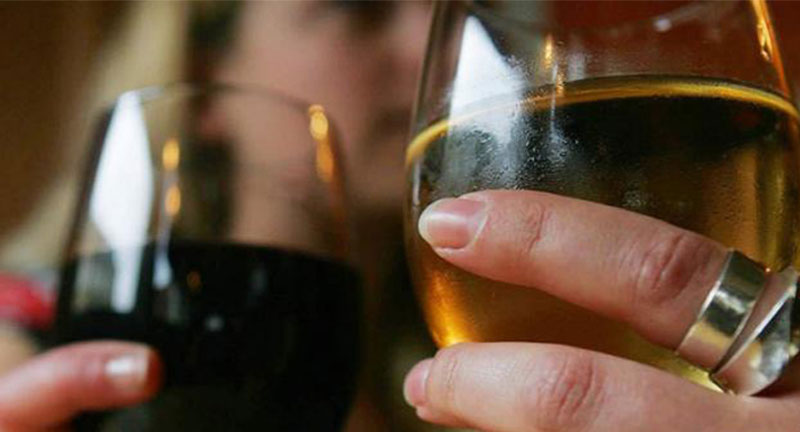
New research led by Mark Bellis from Liverpool John Moores University reveals that the amount of alcohol consumed in England has been underestimated by an astonishing margin, roughly equivalent to an extra 12 million bottles of wine per week. This discrepancy emerges because people tend to omit certain drinking occasions when reporting their alcohol intake.
Experts describe these overlooked “missing units” as those consumed during special events such as birthdays, weddings, holidays, and other celebrations. These are moments when people often indulge in heavier drinking but fail to count these extra units in self-reported surveys or medical questionnaires.
According to Bellis, there is a tendency among drinkers to “turn a blind eye” to these episodic drinking occasions, which leads to a systematic underestimation of actual alcohol consumption. He emphasizes that this underreporting presents a significant challenge for public health officials who rely on accurate data to assess risks and design interventions.
__IMAGE_PLACEHOLDER_1__
Why People Underreport Their Drinking
The research funded by Alcohol Research UK and published in the BMC Medicine journal, highlights a crucial age group, those aged 25 to 34, as the heaviest underreporters. On average, individuals in this demographic consume an additional amount of alcohol that equates to two extra bottles of wine per week, which they do not disclose during surveys.
To better understand this phenomenon, Sky News spoke with young drinkers about their honesty when discussing their drinking habits. Chris Durnford admitted that when questioned by healthcare professionals, he tends to underestimate his drinking, partly because he feels pressure to present himself in a more socially acceptable way.
Similarly, Andy Freeman confessed, “I think I probably lie. I think generally you underestimate with doctors the amount that you do drink.” This sentiment reflects a broader social stigma that can discourage openness about alcohol consumption, especially when individuals fear judgment or repercussions.
On the other hand, Charlotte Wakefield described her drinking as mostly honest: “I don’t actually drink in the week at all. I drink sometimes at weekends, but I only really drink for special occasions, so I guess I’m quite honest on that. But then on special occasions I would drink quite a lot.”
__IMAGE_PLACEHOLDER_2__
The Broader Context and Public Health Implications
Despite the underreporting of alcohol intake, official figures for England indicate positive trends over the past decade. Levels of violent crime, binge drinking, and drink-driving accidents have all declined, suggesting some progress in mitigating the harms associated with excessive alcohol use.
However, the revelation that millions of units go unreported raises important questions about how these health improvements can be sustained and furthered. Underestimating alcohol consumption complicates efforts to tailor public health campaigns, allocate resources effectively, and monitor the true impact of alcohol on society.
Mark Bellis warns that even with lower crime and accident rates, “there’s still a real issue from a health perspective.” Alcohol remains a major contributor to chronic illnesses, liver disease, and other long-term health problems that may not be immediately visible in crime or accident statistics.
__IMAGE_PLACEHOLDER_3__
What This Means for Understanding Alcohol Consumption
This study underscores the inherent difficulties in accurately capturing alcohol consumption data through self-reporting methods. Special occasion drinking, which often involves substantial intake, is particularly prone to being overlooked or deliberately minimized by respondents.
For policymakers and healthcare providers, this means that current estimates of alcohol use may significantly understate the volume consumed and its associated risks. The findings call for improved survey techniques that better account for episodic high intake and encourage honest reporting without stigma.
Moreover, public health messaging may need to address the culture surrounding celebratory drinking, helping individuals recognize the cumulative impact of these “missing units” over time.
In conclusion, while England has made strides in reducing alcohol-related harms, this new research reveals a hidden layer of consumption that must be acknowledged. Understanding the full extent of alcohol use is crucial to crafting effective policies and interventions that protect public health in the long term.