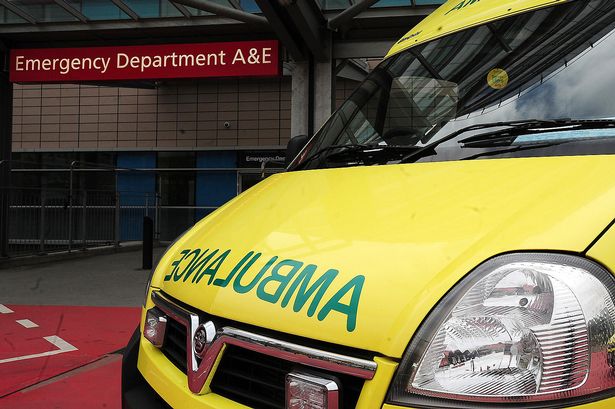
The debate over how to alleviate overcrowded accident and emergency (A&E) departments in England has taken a controversial turn, with a significant portion of general practitioners (GPs) supporting the introduction of a patient charge for unnecessary visits. This proposal aims to reduce the strain on already stretched emergency services by discouraging avoidable attendance, but it also raises complex questions about access to healthcare and the core principles of the National Health Service (NHS).
What the Survey Revealed About GPs’ Views on A&E Attendance Charges
A recent survey commissioned by the Press Association and conducted through Doctors.net.uk, an online network for medical professionals, canvassed the opinions of 800 GPs across England on this pressing issue. The survey asked whether patients should pay a fee of either £5 or £10 for each visit to A&E, with the assurance that the fee would be refunded if the visit was deemed medically necessary.
The results showed that roughly one in three GPs (32%) endorsed the idea that introducing such charges would be the most cost-effective way to curb unnecessary A&E attendance. This reflects growing frustration within the medical community about the volume of patients who seek emergency care for conditions that could be managed more appropriately in primary care settings.
Alongside the patient charge proposal, the survey also explored alternative solutions. Forty percent of respondents favored establishing GP surgeries with extended opening hours adjacent to every emergency department. This model aims to provide patients with more accessible primary care options, potentially diverting non-urgent cases away from A&E units and reducing hospital admissions.
Other suggestions included increasing the number of NHS walk-in centres, supported by 11% of GPs, and improving the NHS 111 phone service, endorsed by 8%. The NHS 111 system, designed to guide patients through urgent care options, replaced NHS Direct but has faced criticism for inconsistent advice and accessibility issues.
__IMAGE_PLACEHOLDER_1__
Public Reactions and Professional Perspectives
While some doctors advocate for charging fees to reduce misuse, public opinion appears more cautious. At the Queen Elizabeth Hospital in Birmingham, patients and visitors expressed skepticism about the practicality and fairness of such charges.
George Price voiced concerns that a fee might deter people from seeking necessary care due to cost, while others might still perceive paying £10 as a reasonable price for emergency treatment. Carole Bailey questioned the feasibility of determining which visits are unnecessary, pointing out the difficulty in drawing clear lines when most patients genuinely believe their condition warrants emergency attention.
From within the medical community, opinions diverge sharply. Dr Tim Ringrose, chief executive of Doctors.net.uk, acknowledged the proposal as a significant departure from the traditional NHS principle of free care at the point of use. Yet, he argued that radical measures are essential to combat the culture of “free at the point of abuse,” which he sees as a major driver of the current emergency care crisis.
In contrast, Helen Stokes-Lampard, chair of the Royal College of General Practitioners, warned that introducing charges risks pushing the NHS towards an American-style healthcare system, where access depends on ability to pay. She emphasized that doctors have an ethical duty to provide care regardless of financial circumstances and that patients typically attend A&E because they lack alternatives or are at their most vulnerable.
Stokes-Lampard highlighted that emergency departments are indeed under severe pressure but insisted the solution lies in adequately funding general practice. She pointed out that GPs handle 90% of NHS patient contacts despite receiving less than 9% of the NHS budget. Increasing investment in primary care would enable family doctors to manage more conditions in the community, potentially reducing unnecessary emergency visits.
__IMAGE_PLACEHOLDER_2__
Why This Debate Matters for the Future of NHS Emergency Care
The survey further revealed widespread skepticism among GPs about recent government initiatives aimed at easing A&E pressures. For example, the majority of respondents doubted that changes to GP contracts announced by the Health Secretary would meaningfully reduce emergency department demand.
Moreover, 74% of GPs disagreed with the idea that assigning older patients a named GP would decrease their likelihood of attending A&E unnecessarily. Only 10% believed this measure would alleviate system pressures, suggesting that more fundamental reforms are needed.
This debate touches on core NHS values and the practical realities of healthcare delivery. The concept of charging for A&E attendance challenges the foundational commitment to universal, free access to care, raising concerns about equity and unintended consequences, such as delayed treatment and worsening health outcomes for vulnerable populations.
On the other hand, the escalating demand for emergency services and finite resources demand innovative approaches to maintain service quality and availability. Strategies that enhance primary care accessibility, improve patient education, and streamline urgent care pathways are critical components to address this complex challenge.
__IMAGE_PLACEHOLDER_3__
Looking Ahead: Balancing Access, Cost, and Care Quality
The conversation around patient charges for A&E visits underscores the urgent need for a balanced approach that preserves NHS principles while tackling systemic pressures. Policymakers and healthcare leaders face the difficult task of designing interventions that discourage inappropriate emergency attendance without creating barriers to timely care.
Strengthening primary care infrastructure, expanding extended-hours GP services near hospitals, and enhancing NHS 111’s effectiveness appear promising avenues to reduce avoidable A&E visits. Meanwhile, ongoing dialogue with healthcare professionals, patients, and the public is essential to ensure that any changes reflect shared values and practical realities.
Ultimately, resolving the emergency care crisis will require sustained investment, coordinated policy efforts, and a commitment to equitable healthcare access. The perspectives gathered in this survey highlight the complexity of the issue and the critical importance of thoughtful, evidence-based solutions for the future of NHS emergency services.