Authorities have charged three more people in connection with the recent protests in Southampton sparked by the tragic murder of Henry Nowak. These developments mark a significant escalation in the ongoing investigations surrounding the events that unfolded during the public demonstrations.
Protests Erupt After Henry Nowak’s Murder
The murder of Henry Nowak shocked the Southampton community, igniting widespread protests demanding justice and accountability. Nowak’s death has become a rallying point for many, inspiring demonstrations aimed at addressing broader issues of violence and public safety within the city.
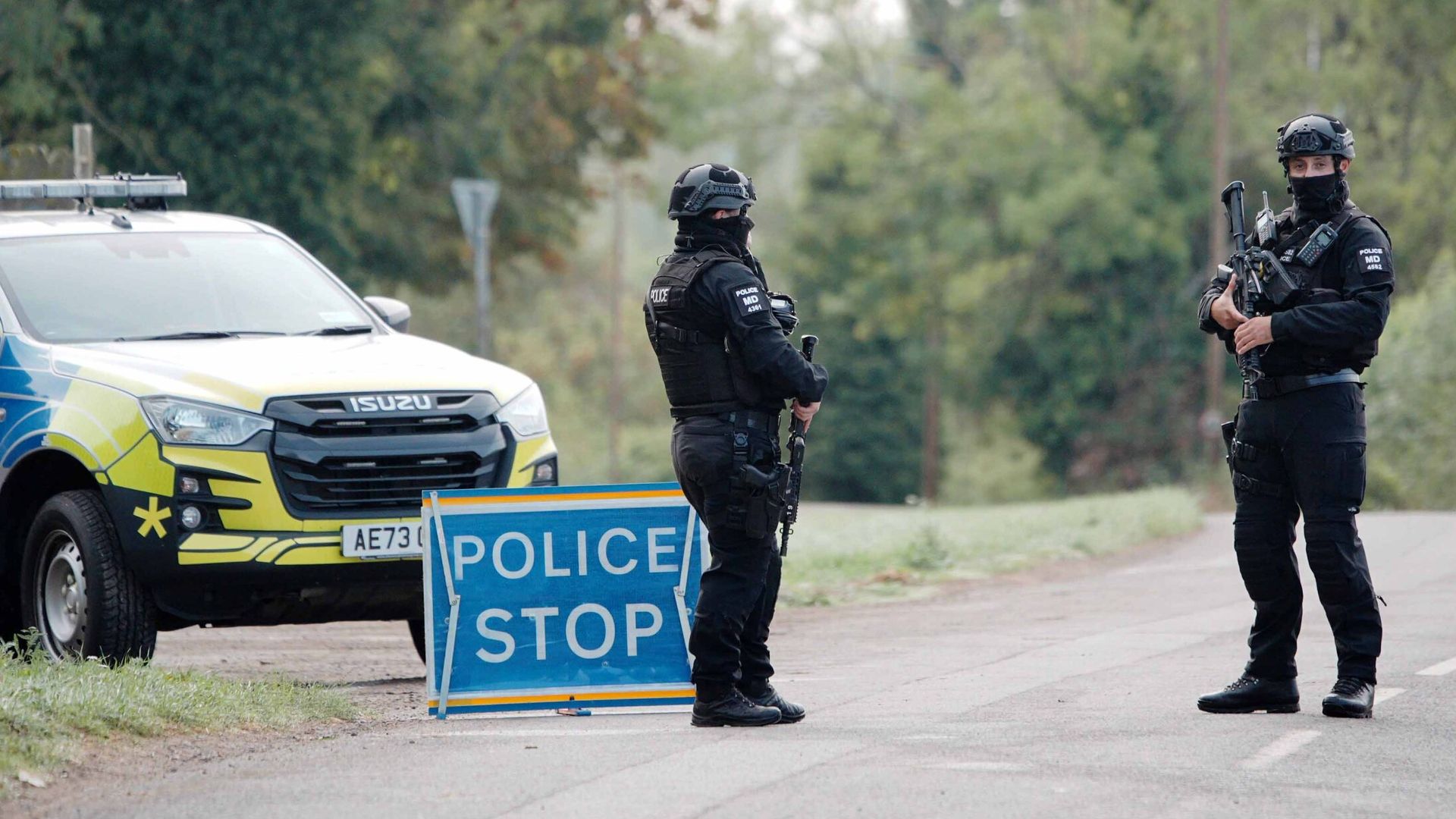
During these protests, tensions ran high as demonstrators gathered in the streets, expressing their grief and frustration. The authorities responded with a concerted effort to maintain order, leading to multiple arrests. The recent charging of three additional individuals underscores the seriousness with which law enforcement is treating incidents that may have involved unlawful behavior during the demonstrations.
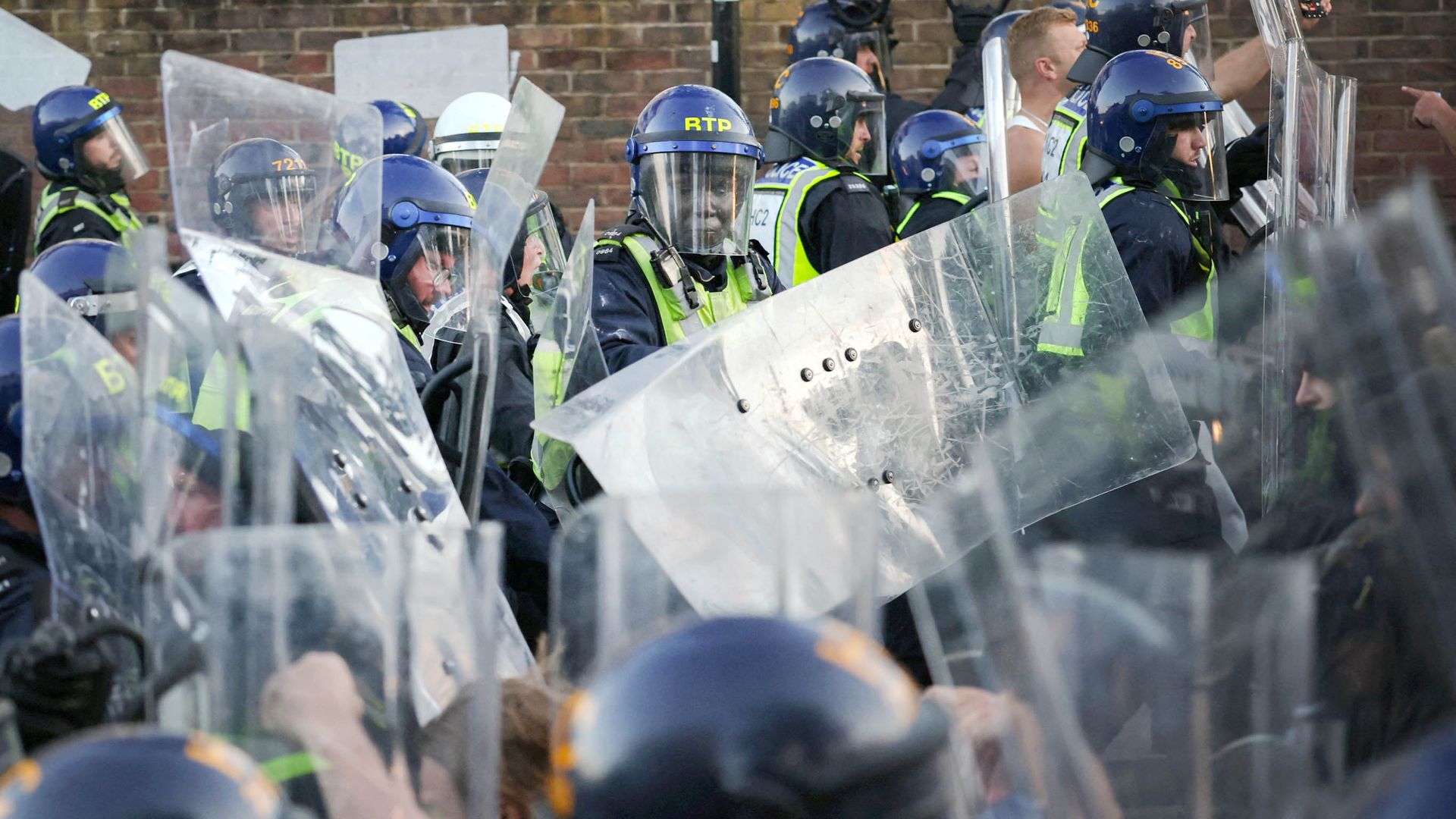
Details of the Charges and Ongoing Investigations
The three new charges come amidst a broader crackdown on those allegedly involved in unlawful activities tied to the protests. While the specific accusations have not been fully disclosed, law enforcement officials emphasize their commitment to thoroughly investigating any offenses, ranging from public disorder to potential violence.
Local police have been working closely with community leaders and legal authorities to ensure that the investigation proceeds transparently and fairly. The decision to press charges reflects both the complexity of managing large-scale protests and the necessity of upholding the rule of law in volatile situations.
This development also highlights the challenges faced by Southampton’s law enforcement agencies in balancing the right to peaceful protest with the imperative to prevent criminal acts. The charges aim to deter further disturbances while affirming that those responsible for any wrongdoing will be held accountable.
Why These Charges Matter to Southampton and Beyond
The charging of additional individuals following the Henry Nowak protests carries significant implications for Southampton’s community relations and public safety policies. The city has been grappling with the fallout from the murder and the subsequent unrest, striving to navigate a path forward that addresses public concerns without compromising civic order.
For residents, these charges serve as a reminder that while peaceful protests are a vital democratic tool, unlawful behavior during such events cannot be tolerated. The situation also sheds light on the broader national conversation about how communities respond to violent crime and social unrest.
Moreover, the legal actions taken in Southampton may influence how other cities approach similar protests linked to tragic incidents. Authorities nationwide are observing closely, seeking strategies that balance justice, safety, and the protection of citizens’ rights.
What Comes Next in the Aftermath of the Protests
As the investigation continues, Southampton’s law enforcement agencies are expected to provide updates on the progress of the case, including further details about the nature of the charges and any additional arrests. Community leaders are also calling for calm and constructive dialogue to channel the energy of protest into positive change.
The charged individuals will face the legal process, where evidence will be examined and their responsibility determined. Meanwhile, the city’s focus remains on healing and preventing future violence, underscoring the need for both justice and reconciliation.
For Southampton and similar communities, the key takeaway is the delicate balance between demanding justice and maintaining public order. The recent charges highlight the consequences of crossing legal boundaries during protests, reinforcing that accountability is essential in any democratic society.
Full details of the charges and the ongoing investigation have not yet been released, but the situation continues to evolve as Southampton seeks resolution and progress in the wake of Henry Nowak’s tragic death.