

Tommy Robinson, a figure known for his divisive views on Islam and immigration, is scheduled to participate in a debate at the prestigious Oxford Union on whether the West is justified in harboring suspicion toward Islam. This announcement has ignited significant backlash from religious leaders, politicians, and activist groups who warn the event risks amplifying Islamophobic sentiments.
What’s Happening at the Oxford Union?
The Oxford Union, famed for hosting spirited debates and influential voices, has invited Robinson to discuss the motion: “Is the West right to be suspicious of Islam?” Robinson, whose real name is Stephen Yaxley-Lennon, co-founded the far-right group English Defence League and has been repeatedly criticized for comments many consider inflammatory and divisive.
The debate promises to delve into complex issues surrounding Islam’s role in Western societies, national security concerns, cultural integration, and the often-contentious relationship between Muslim communities and broader Western populations. Robinson’s participation is bound to provoke intense discussion, given his controversial reputation and outspoken criticism of Islam.
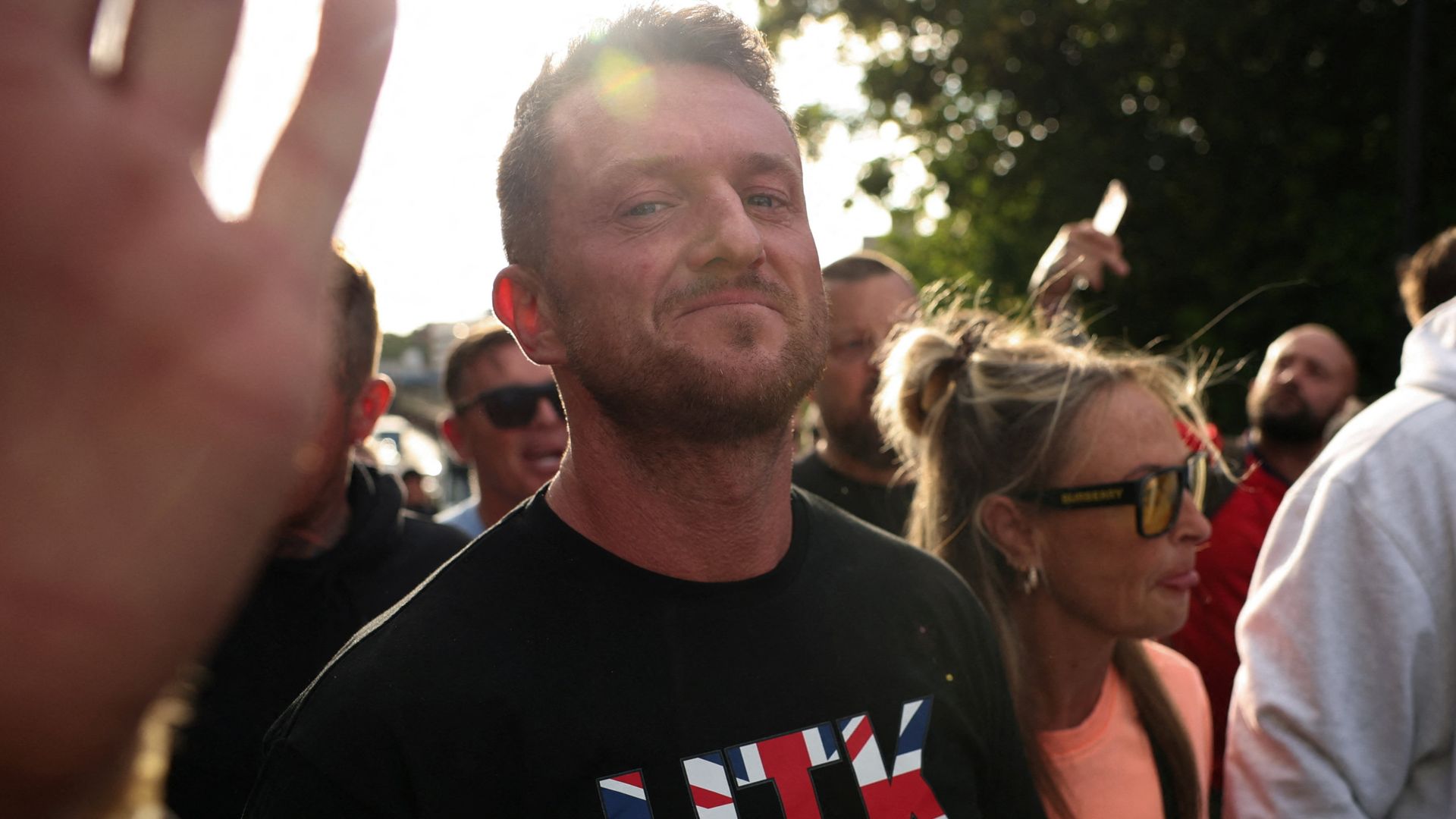
The Union’s decision to host this debate has sparked an outcry from multiple sectors. Faith leaders from various religious communities have condemned the event, warning it risks legitimizing prejudice and misunderstanding against millions of Muslims living in the UK and beyond. Politicians across the spectrum have expressed concern that the platform could fuel division during a time when social cohesion is already fragile.
Why the Debate Matters
Islamophobia remains a pressing issue in Western countries, with Muslim communities frequently reporting discrimination, hate crimes, and social exclusion. The question of whether suspicion toward Islam is justified touches on sensitive political, social, and cultural fault lines.
Supporters of Robinson argue that his presence sheds light on legitimate concerns regarding radicalization, extremism, and integration challenges faced by Western nations. They see the debate as an opportunity to discuss these topics openly, without censorship.
Conversely, opponents fear that framing Islam itself as suspicious fuels stereotypes and can incite hatred. They emphasize the distinction between criticizing extremist ideologies and unfairly targeting an entire religion or its adherents. This distinction has become central to debates on freedom of speech, religious tolerance, and national identity.
Within academia and civil society, the Oxford Union’s choice raises broader questions about the role of university platforms in facilitating controversial speakers. While freedom of expression is a core academic value, critics argue that some voices contribute more to polarization than to constructive dialogue.
What Comes Next?
The debate is poised to draw national media attention and potentially influence public discourse on Islam and Western societies. How Robinson’s arguments are received—and how his opponents respond—will be closely watched by community leaders, policymakers, and the public.
The Oxford Union has not indicated any changes to the event despite the backlash, underscoring its commitment to open debate regardless of controversy. This stance highlights a tension at the heart of democratic societies: balancing free expression with the responsibility to prevent hate speech and social division.
For many, the debate will serve as a litmus test for how societies handle contentious issues related to religion, identity, and security in a pluralistic world. It also raises the question of how institutions can foster respectful conversations that challenge ideas without marginalizing entire communities.
Why This Debate Is Significant
The discussion around suspicion of Islam cannot be divorced from wider global challenges, including terrorism, migration, and cultural clashes. How Western societies respond to these challenges impacts social cohesion, civil rights, and international relations.
Engaging with these questions is necessary, but the framing and tone matter profoundly. Labeling an entire religion as suspicious risks alienating millions and undermining efforts toward inclusion and mutual understanding.
As Robinson prepares to take the stage at the Oxford Union, the event symbolizes the ongoing struggle to reconcile security concerns with respect for religious diversity. It also reflects the broader debates over who gets to speak in public forums and how controversial ideas should be addressed.
Ultimately, this debate is more than a contest of ideas—it is a reflection of deep societal tensions that require nuanced, respectful engagement to navigate.