The future of one of television’s most iconic presenters hangs in the balance as the BBC prepares to announce a critical decision on Jeremy Clarkson’s role in the flagship motoring show Top Gear. After weeks of uncertainty, the broadcaster’s internal investigation into Clarkson’s conduct during a heated altercation is nearing its conclusion, with a verdict expected imminently. This situation has captivated audiences and industry insiders alike, marking a defining moment for the BBC and its flagship entertainment program.
The Incident That Shook Top Gear
Jeremy Clarkson, the outspoken and often controversial host of Top Gear, has been suspended for two weeks following an infamous “fracas” with producer Oisin Tymon. This confrontation, which reportedly occurred at a hotel in the scenic Yorkshire Dales, has triggered a comprehensive internal inquiry conducted by the BBC. The investigation aims to uncover the full circumstances of the clash, focusing on the nature of the disagreement and its aftermath.
The BBC appointed Ken McQuarrie, a senior executive, to lead the fact-finding mission. Both Clarkson and Tymon have provided detailed testimonies about the incident. The gravity of the situation has required the involvement of the BBC’s Director-General, Tony Hall, who will review the findings and determine Clarkson’s future with the broadcaster.
Radio 1 controller Ben Cooper spoke publicly about the timeline for the decision, suggesting that it could arrive within 24 hours. His comments highlight the urgency and seriousness with which the BBC is addressing the matter. Cooper emphasized the importance of a thorough and responsible inquiry, reflecting on the gravity of workplace conduct and the need for accountability when staff face abuse or violence.
“If my son or daughter went to work only to be shouted at, abused, or physically assaulted, I would demand a serious investigation,” Cooper stated. His remarks underscore the BBC’s commitment to maintaining a safe and respectful work environment, regardless of a person’s fame or status.

Impact on Top Gear and Public Reaction
The repercussions of Clarkson’s suspension have extended beyond internal BBC circles, directly affecting the production schedule of Top Gear. The show had planned a series of four live episodes to be filmed in Norway, which were abruptly postponed following the incident. This disruption has left fans and stakeholders anxiously awaiting clarity on the program’s future and whether Clarkson will continue as its leading presenter.
During this turbulent period, Clarkson took to his Sunday Times column to address the controversy, describing his recent week as “turbulent” but simultaneously attempting to downplay the severity of his actions. He referenced a fiery speech at a charity auction, where he criticized BBC executives using strong language. However, Clarkson framed the incident as a strategic move to engage the audience and successfully raised £100,000 by auctioning a lap of the Top Gear test track.
Despite the uncertainty, Clarkson’s supporters have rallied behind him in extraordinary fashion. A petition demanding his reinstatement amassed over one million signatures, demonstrating the presenter’s enduring popularity and influence. The petition was notably delivered to the BBC’s New Broadcasting House in a tank, symbolizing both Clarkson’s robust persona and the passionate backing from his fan base.
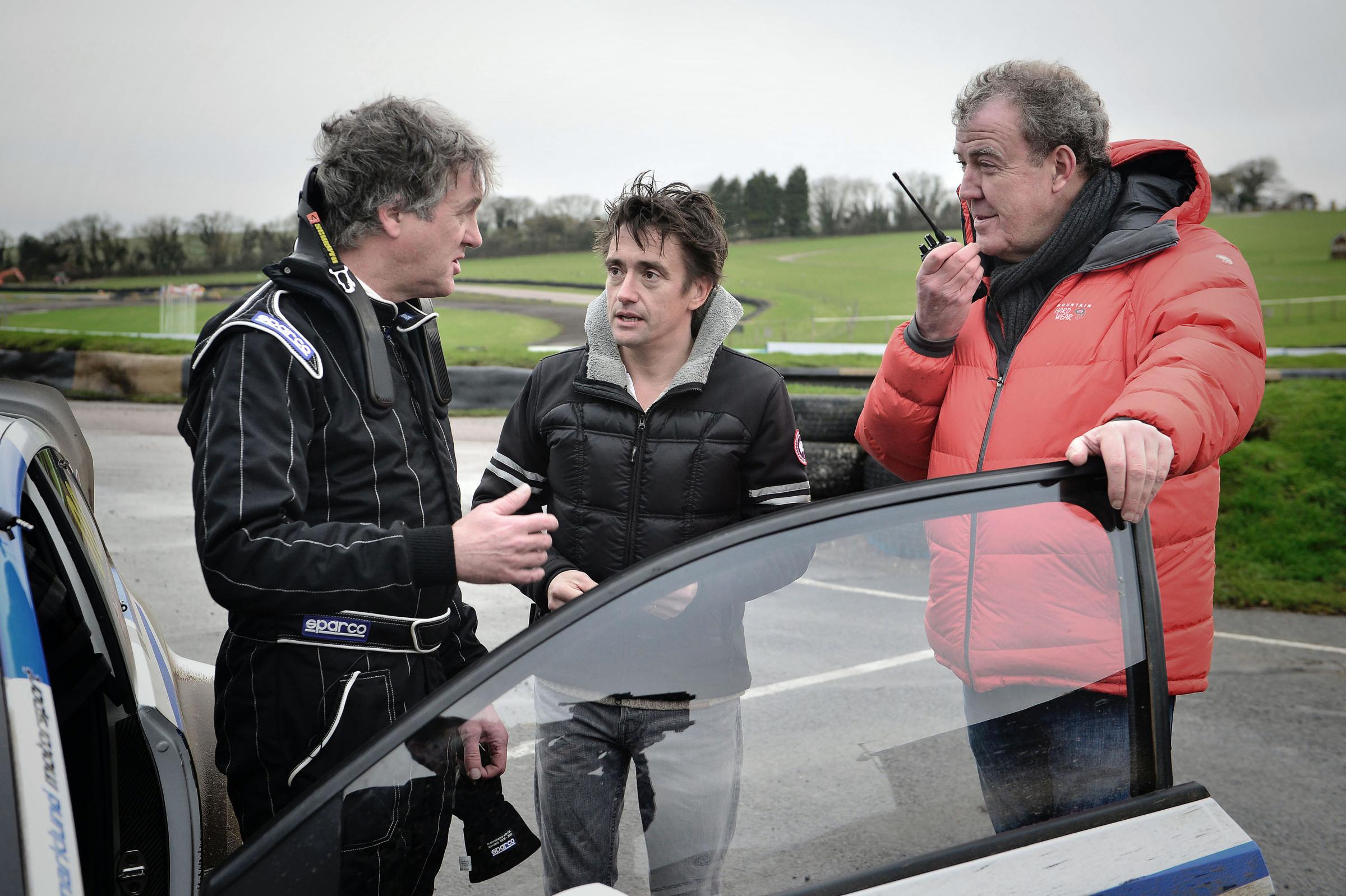
Meanwhile, co-hosts James May and Richard Hammond have also been affected by the hiatus. May shared reflections on social media about adjusting to life without the show’s demanding schedule, revealing a more personal side to the fallout. “Woodwork tasks today. Being jobless allows you to revisit old interests, learn new things, and listen to the radio more. Sold the telly,” he tweeted, highlighting the pause in their professional activities while the investigation unfolds.
What This Means for BBC and Top Gear’s Future
The upcoming decision on Jeremy Clarkson’s fate carries significant implications for the BBC, Top Gear, and the wider entertainment industry. Clarkson has been the face of Top Gear for over a decade, helping to transform it into one of the BBC’s most lucrative and internationally recognized programs. His departure would mark the end of an era and force the network to rethink the show’s direction and hosting lineup.
More broadly, the situation serves as a reminder of the challenges broadcasters face in balancing star power with professional standards and workplace ethics. The BBC must navigate public expectations, internal culture, and its reputation for integrity. How it handles Clarkson’s case could set a precedent for managing high-profile talent disputes in the future.
For viewers and fans, the decision will either bring closure or prolong the uncertainty surrounding their favorite motoring show. The final announcement, expected imminently, will shape the trajectory of Top Gear and influence how the BBC addresses similar controversies moving forward.
In the meantime, the spotlight remains firmly on the BBC as it prepares to make a choice that will resonate far beyond the corridors of New Broadcasting House.