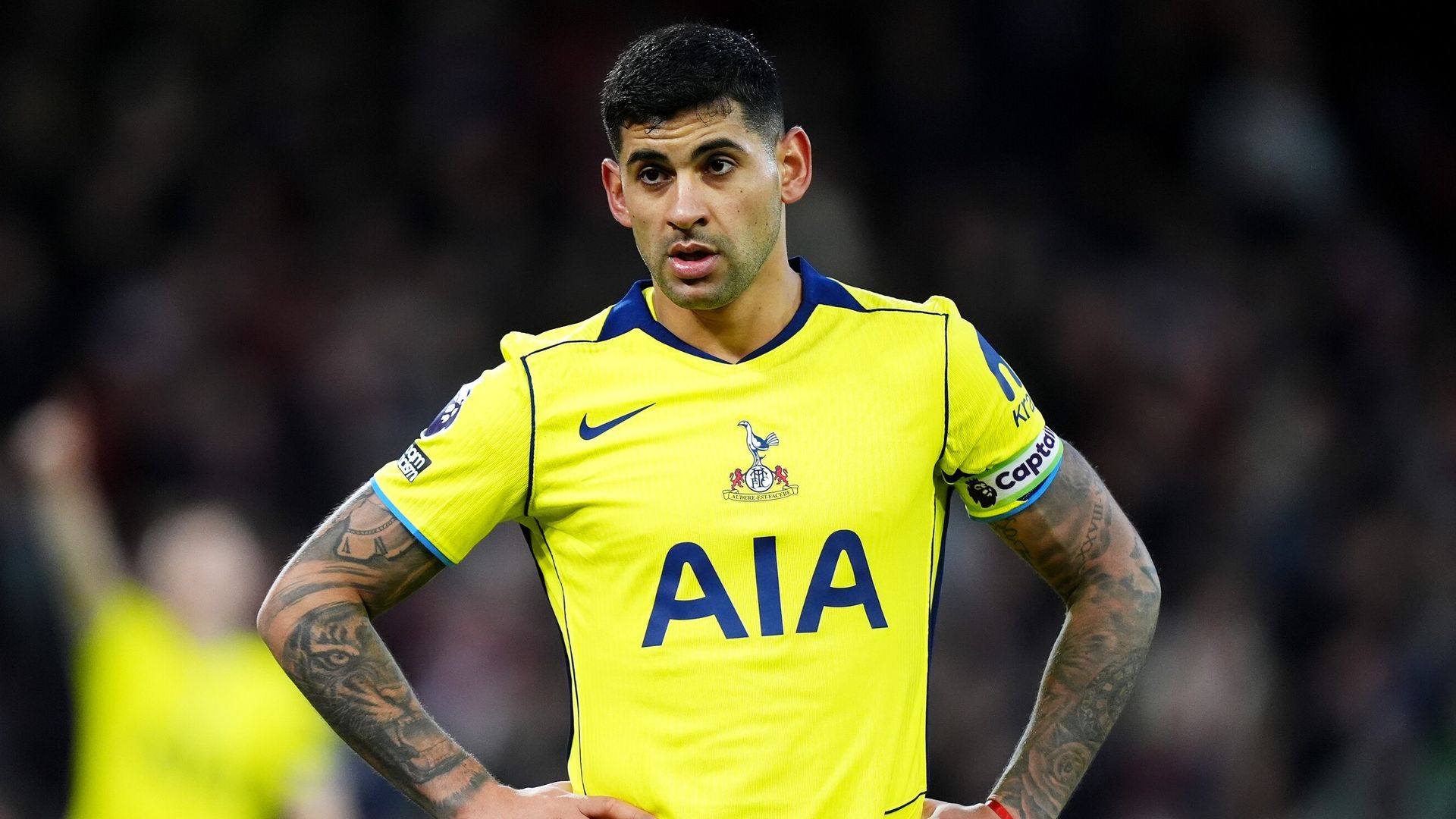
Cristian Romero, the influential captain of Tottenham Hotspur, has ignited a firestorm of controversy by embarking on a trip to Argentina mere days before a critical Premier League showdown. This unexpected move has rattled fans and pundits alike, sparking intense debate about his dedication to the club at a moment when focus and unity are paramount. The timing and implications of Romero’s departure have placed his commitment under a microscope, raising urgent questions about leadership and priorities within one of England’s most competitive teams.
Timing of the Trip Raises Eyebrows
In the midst of Tottenham’s preparations for a high-pressure league fixture, Romero’s decision to leave London and travel halfway across the globe has caused significant unease among supporters. The Premier League calendar leaves little room for distractions, especially when the club is navigating a crucial stretch that could define its season trajectory. Fans expected their captain to be fully immersed in training sessions, tactical briefings, and team bonding activities rather than undertaking a long-haul journey that risks disrupting his physical readiness and mental focus.
This trip’s timing feels particularly ill-judged because captains are traditionally seen as the embodiment of club values and professionalism. Their role extends beyond individual performance to fostering a cohesive team spirit and serving as a reliable figure for both teammates and fans. By prioritizing travel at such a sensitive juncture, Romero has inadvertently fueled concerns about whether his personal priorities align with Tottenham’s immediate competitive goals.
Impact on Team Dynamics and Performance
Tottenham’s reliance on Cristian Romero goes far beyond his defensive skills. As captain, he orchestrates the backline, commands the team’s shape, and leads by example both on and off the pitch. His physical presence and tactical awareness are key components of Tottenham’s strategy, particularly against formidable Premier League opponents who exploit any sign of disorganization.
His absence in the days leading up to this pivotal match introduces uncertainty. Traveling from Argentina involves long flights and potential jet lag, which could diminish his sharpness during training and match day. This raises practical concerns about whether he will be able to perform at his usual high standard immediately upon return. Moreover, the psychological impact on the squad cannot be underestimated. When a leader steps away during a crunch period, it may unsettle teammates and disrupt the collective focus essential for success.
Coaches and analysts often emphasize the intangible benefits of a captain’s consistent presence, offering guidance, motivation, and tactical adjustments in real time. Without Romero’s steadying influence in the critical run-up to the game, Spurs risk losing some of their defensive solidity and on-field communication, elements that are crucial for maintaining competitiveness in tight matches.
Fan and Expert Reactions
The backlash from Tottenham supporters has been swift and vocal. Many fans argue that a club captain must demonstrate unwavering commitment, particularly when the stakes are high. Leaving the squad at such a sensitive time can be perceived as neglecting one’s responsibilities and may undermine the team’s morale. For a club with aspirations of challenging for European qualification or domestic honors, internal unity and leadership consistency are non-negotiable.
On the other hand, some voices within the football community and fan base show empathy towards Romero’s personal circumstances. They acknowledge that players are individuals with lives beyond football, and travel to one’s home country may involve crucial family or personal commitments. Nevertheless, these supporters stress that the timing of such trips demands careful consideration, especially from someone in a leadership role. Balancing personal obligations with professional duties remains a delicate but essential challenge for elite athletes.
Experts also point out that this incident highlights broader questions about player welfare and club policies. How clubs manage and support players’ off-field lives, especially those with international ties, can greatly influence team harmony and performance outcomes. The episode with Romero may prompt Tottenham and other Premier League clubs to reassess protocols around travel, communication, and captaincy expectations during critical phases of the season.
What This Means for Tottenham’s Season
Romero’s controversial trip to Argentina serves as a potent reminder of the complex interplay between leadership, professionalism, and personal life in modern football. Tottenham Hotspur find themselves at a crossroads where every decision, on and off the pitch, can have far-reaching consequences.
As the club prepares for its upcoming fixture, the spotlight will be firmly on Romero to demonstrate whether he can quickly refocus and lead by example. His ability to overcome potential fatigue and regain full match sharpness will be crucial not only for his personal reputation but also for Tottenham’s ambitions this season.
Ultimately, this situation underscores the heightened expectations placed on team captains in elite sport. Beyond technical ability, captains must embody commitment, resilience, and accountability. How Cristian Romero navigates the aftermath of this decision will shape perceptions of his leadership and influence Tottenham’s quest for success in the fiercely competitive Premier League.