

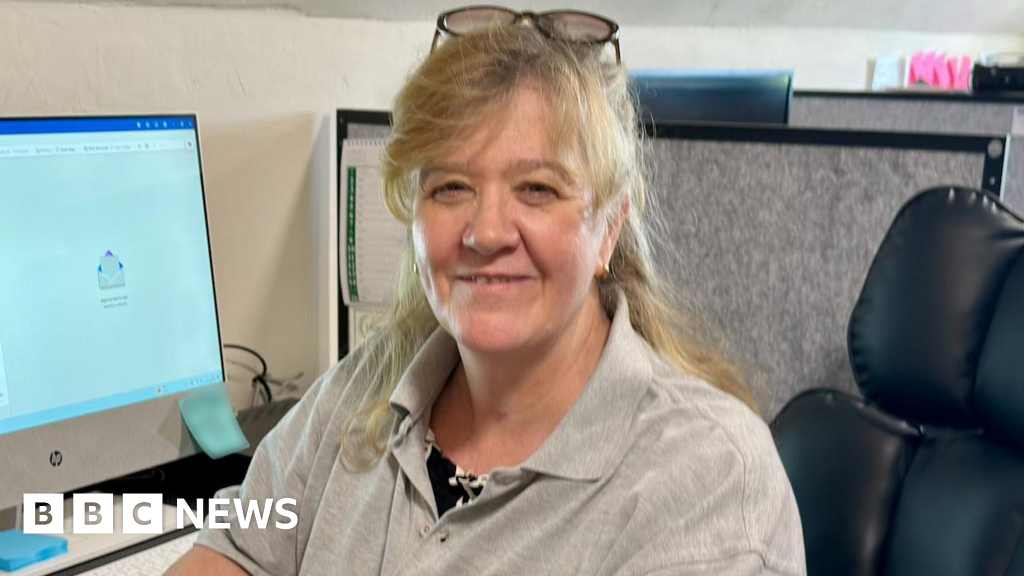
Angela, part of a family-run electrical business in Newcastle Emlyn, faces unprecedented challenges as the cost of living crisis reshapes how customers approach payment for trades services. The evolving financial landscape has made securing timely payment more complex, especially for larger-scale projects.
Changing Customer Payment Behaviors Amid Economic Pressures
Angela’s company specializes in electrical work across agricultural, commercial, and residential sectors. However, it is the more extensive undertakings—such as rewiring homes and installing solar or green energy systems—that reveal the strain of current economic conditions. Customers who once trusted estimates and booked services with minimal hesitation now demand full cost transparency before committing.
“In the past, clients would schedule us knowing roughly what the job would cost,” Angela explains. “Now, they want to understand the entire expense upfront before agreeing to the work.” This shift highlights how tighter household and business budgets force clients to scrutinize every financial decision, even when upgrading essential infrastructure like electrical or renewable energy systems.
Proactive Strategies to Manage Debt and Maintain Customer Relationships
Angela emphasizes that chasing unpaid bills after completing work is not her preferred approach. Instead, she strives to cultivate trust and flexibility with customers to avoid financial disputes. The company has introduced new policies, such as offering payment by the hour, providing customers with more manageable billing options that align with their current financial capabilities.
“These are difficult times for everyone,” Angela acknowledges. “The prices of materials, fuel, and everyday goods have all increased significantly. We rely on having five electricians out in the field, so it’s crucial we find ways to work alongside our customers and accommodate their needs.”
By adapting payment structures and fostering open communication, the family business aims to sustain operations without alienating clients facing economic hardship. This approach balances the necessity of covering rising operational costs with the empathy required to support customers struggling under the weight of inflation.
Why This Matters: The Broader Impact on Trades and Local Economies
The experiences of Angela and her team reflect a broader trend affecting tradespeople nationwide. Inflation and the cost of living crisis have tightened consumer spending, particularly on large home improvement or commercial projects. As clients become more cautious, trades businesses must evolve their financial practices to secure income while remaining competitive and customer-friendly.
Moreover, the willingness of service providers to offer flexible payment terms could influence customer loyalty and long-term business sustainability. In regions like Newcastle Emlyn, where family-run companies form the backbone of the local economy, these adaptations help preserve jobs and maintain essential services.
Tradespeople also face higher expenses for materials, fuel, and labor. Without adjusting payment approaches, they risk cash flow problems that could jeopardize their ability to serve communities effectively. Angela’s company exemplifies how resilience and customer-centric policies can help navigate these economic challenges.
Looking Ahead: Navigating Uncertain Financial Terrain
As inflationary pressures persist, trades businesses must continue innovating to manage debt recovery tactfully and offer payment options that reflect customers’ financial realities. Angela’s story underscores the importance of transparency, adaptability, and empathy in maintaining strong client relationships during turbulent economic times.
For customers, the shift toward upfront cost clarity and flexible billing represents a necessary adjustment in budgeting for essential services. For tradespeople, it is a call to balance financial viability with understanding and cooperation, ensuring both survival and community support.
Ultimately, the cost of living crisis is reshaping how trades operate and thrive—demanding new strategies that protect businesses while empowering customers to invest in critical infrastructure without undue financial strain.