

A catastrophic train collision near Bedford resulted in the tragic death of the train driver and injuries to over 100 passengers. Investigators have revealed that the driver passed a red signal just moments before the crash, a critical factor contributing to the incident.
The Bedford Train Crash: What Happened?
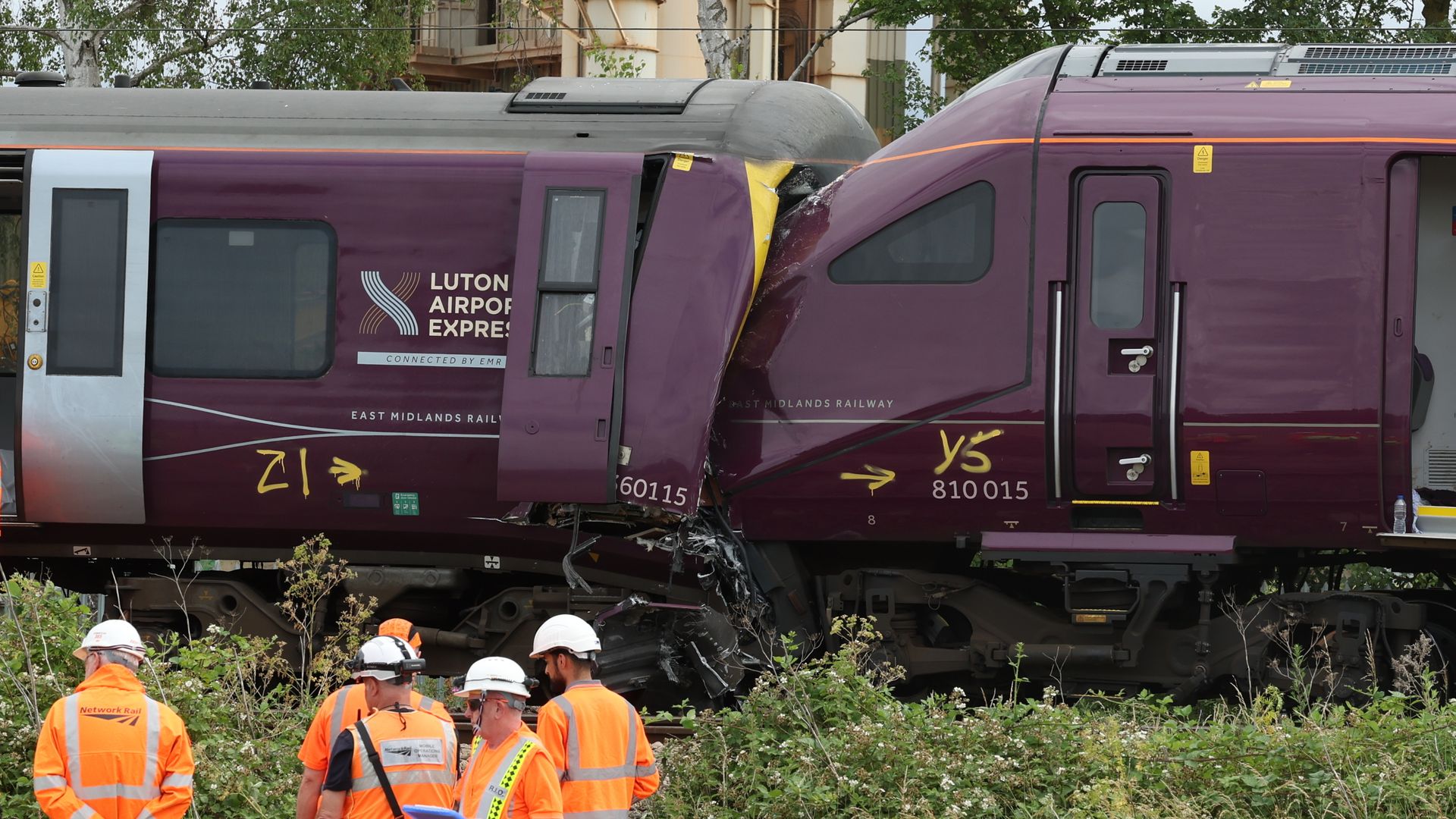
The fatal collision unfolded near Bedford, a town in Bedfordshire, England, where two trains came into violent contact. Preliminary investigations indicate that the driver of one train failed to stop at a red signal, which serves as a vital safety mechanism to prevent train collisions. Passing this red signal triggered the chain of events that led to the crash.
Emergency services responded swiftly to the scene, treating and transporting more than 100 injured passengers to nearby hospitals. The severity of the injuries varied, ranging from minor bruises to serious trauma. Despite the rapid response, the train driver succumbed to injuries sustained in the accident.
Understanding the Role of Signal Systems in Rail Safety
Railway signal systems function as the backbone of train safety, regulating movement and preventing accidents. Signals display colors—green for go, yellow for caution, and red for stop—that communicate track conditions ahead to train drivers. Passing a red signal, known in rail terms as a “signal passed at danger” (SPAD), is one of the most serious safety breaches, as it can place trains on conflicting paths.
In this Bedford incident, the train driver’s decision or failure to stop at the red signal allowed the train to enter a section of track where another train was already present. This misstep led directly to the collision, highlighting how critical adherence to signaling protocols is for protecting lives on the rail network.
Investigations and Implications for Rail Safety
Rail accident investigators are meticulously analyzing data from the train’s black box recorders, signal logs, and witness testimonies to understand why the driver passed the red signal. Factors under consideration include human error, possible mechanical faults, or signal visibility issues. The outcome of this inquiry will inform safety recommendations aimed at preventing similar tragedies in the future.
This crash in Bedford underscores the ongoing challenges faced by rail operators in balancing efficient transportation with uncompromising safety standards. It also raises pressing questions about training, fatigue management, and the robustness of signaling technology in high-traffic areas.
What This Means for Passengers and the Rail Industry
The Bedford train crash serves as a stark reminder of the potential consequences when safety protocols fail or are bypassed. For passengers, it reinforces the importance of rigorous safety measures and transparent communication from rail companies. For the rail industry, the incident demands renewed focus on improving signal enforcement technologies, such as automatic train protection systems that can override human error.
Moreover, this tragedy highlights the critical need for continuous investment in rail infrastructure and staff training to minimize risks. As investigations proceed, stakeholders—including government regulators, rail operators, and unions—must collaborate to implement lessons learned and strengthen the safety culture across the network.
Looking Ahead: Strengthening Rail Safety Post-Bedford
While the full details of the Bedford crash investigation remain pending, the confirmed fact that the driver passed a red signal is a significant lead in understanding the cause. The rail community and the public await the final report, which will likely propose measures to prevent similar SPAD incidents.
In the meantime, this incident serves as a call to action to enhance monitoring systems, improve driver support mechanisms, and invest in advanced safety technologies. Preventing future collisions hinges on learning from this tragedy and reinforcing the uncompromising commitment to rail safety.
In summary, the Bedford train crash tragically illustrates how a single moment of signal non-compliance can have devastating consequences. As investigations continue, the focus will remain on uncovering root causes and implementing robust safeguards to protect passengers, crew, and the broader rail network.