

Former US President Donald Trump has openly expressed frustration with the UK government’s cautious stance amid escalating tensions with Iran over the vital Strait of Hormuz. His remarks underscore a deepening rift between Washington and London regarding how to safeguard one of the world’s most critical oil shipping lanes.
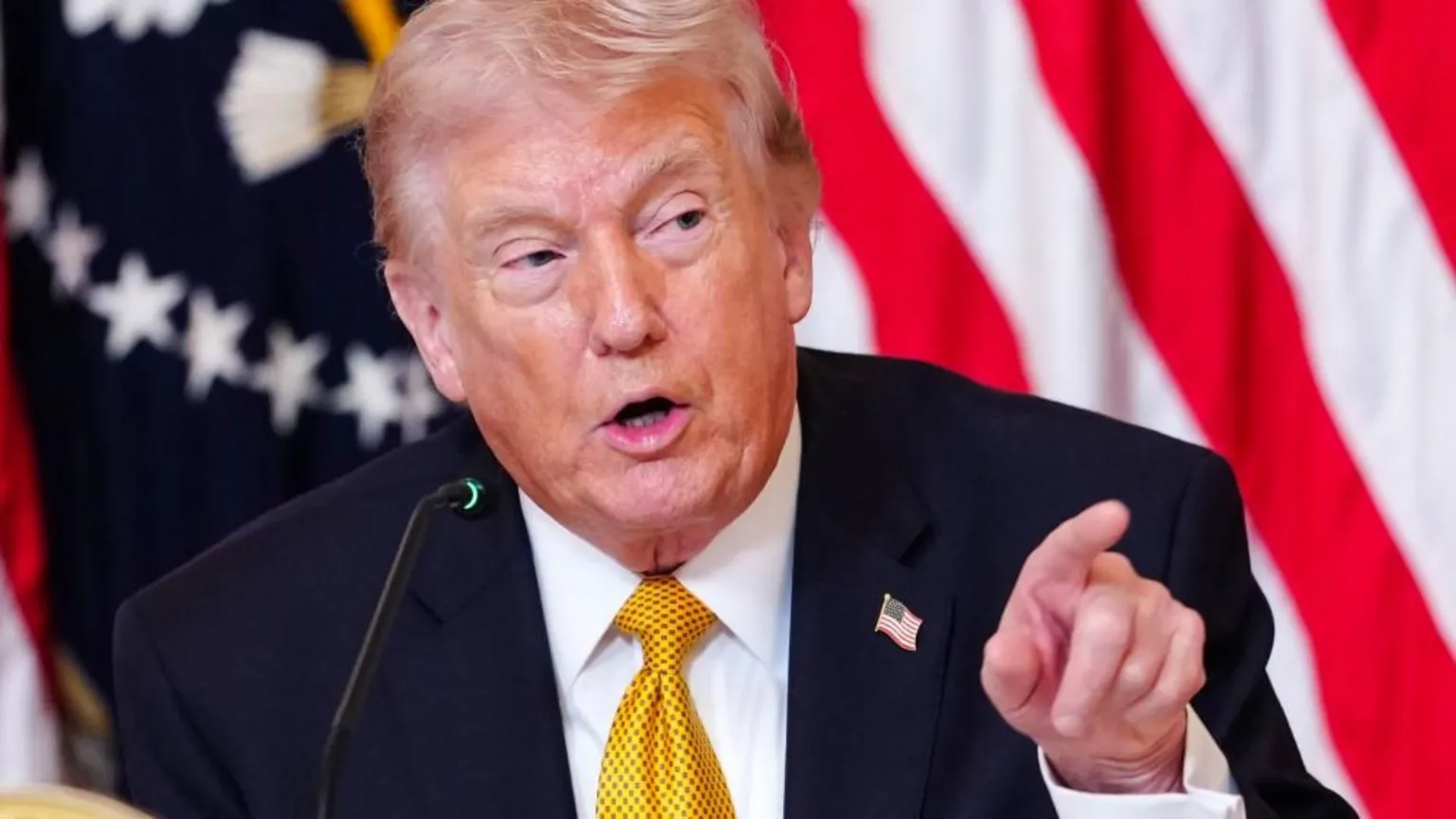
Trump’s Rebuke of UK’s Approach to the Strait of Hormuz
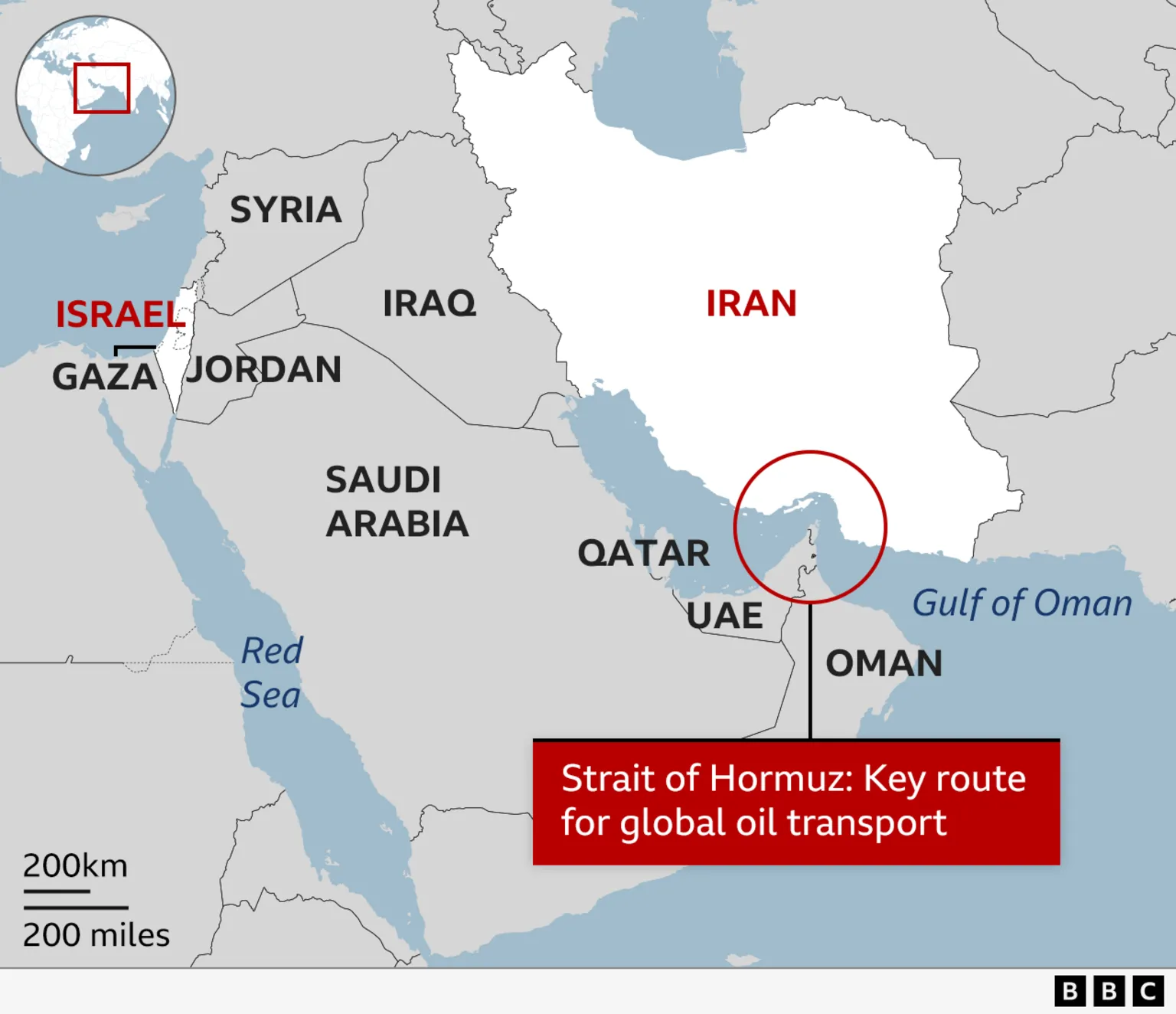
Speaking to reporters in Washington, Trump voiced his displeasure, declaring he was “not happy” with the UK’s reluctance to engage more aggressively in efforts to reopen the Strait of Hormuz. This narrow waterway, bordered by Iran to the north and Oman and the United Arab Emirates to the south, serves as a choke point for nearly a third of global seaborne oil trade. Its closure by Iran has sent shockwaves through global energy markets, pushing oil prices sharply higher.
Trump lamented that the UK, once regarded as the “Rolls-Royce of allies,” appeared hesitant to participate enthusiastically in protecting the strait. He singled out British Prime Minister Sir Keir Starmer for what he described as a disappointing response, especially given the UK’s history of close cooperation with the US on global security challenges. Trump contrasted this with their joint efforts in Ukraine, expressing surprise that the UK would now shy away from taking a leading role in the Gulf.
He also criticized Starmer for reportedly offering to send aircraft carriers only after the immediate crisis had passed, arguing this was too little and too late. Trump urged the UK to deploy warships and minehunters promptly, emphasizing that such assets were crucial to ensuring safe passage of oil tankers through the mine-threatened waters.
UK’s Calculated and Collective Response
In contrast, Sir Keir Starmer has adopted a measured posture. He emphasized that reopening the Strait of Hormuz is “not a simple task” and insisted the UK is working closely with European and Gulf allies to develop a “viable, collective plan” that can restore freedom of navigation while minimizing escalation risks.
Starmer acknowledged the UK already has minehunting systems in the region, though the only dedicated minehunter ship, HMS Middleton, recently returned to Portsmouth for maintenance. Instead, the Royal Navy plans to deploy advanced autonomous seaborne drones capable of detecting and neutralizing mines without risking crew safety. The British Type 45 destroyer HMS Dragon has been dispatched to the region primarily to protect RAF Akrotiri in Cyprus, which recently suffered an Iranian drone attack.
Pressed on whether the UK would commit the Royal Navy to active protection of the strait, Starmer stressed that any military action must be multilateral and agreed upon by a broad coalition of partners. He framed his approach as balancing decisive leadership with prudent consultation, countering Trump’s portrayal of indecisiveness.
Broader International Context and Allies’ Stance
Trump’s call for allied naval support to safeguard the Strait of Hormuz has met resistance beyond the UK. Germany’s defense minister firmly ruled out military participation, emphasizing that the current conflict is outside NATO’s territorial defense mandate. Berlin expressed willingness for diplomatic efforts but dismissed the idea of deploying naval forces, highlighting the US Navy’s capacity as the dominant maritime power in the region.
Similarly, former UK military chief General Sir Nick Carter underscored NATO’s defensive nature, cautioning against compelling allies to follow a unilateral “war of choice.” The European Union also showed reluctance to expand its naval mission in the Red Sea, with no appetite to change mandates amid fears of “mission creep.”
Within UK politics, Conservative leader Kemi Badenoch criticized the prime minister for perceived slowness in consultations with the US, emphasizing the need for clear strategic planning before committing ships. Meanwhile, the Liberal Democrats urged a focus on de-escalation rather than military involvement, recommending postponement of the upcoming state visit by King Charles III and Queen Camilla to the US to avoid politicizing the trip amid the conflict.
Labour MP Dame Emily Thornberry echoed concerns about the timing of the royal visit, suggesting it might be safer to delay given the ongoing war. Labour’s Andy McDonald warned against expanding UK involvement beyond current commitments, cautioning that policing the Strait of Hormuz risks dragging Britain into a broader conflict.
What This Means Moving Forward
The standoff over the Strait of Hormuz highlights the delicate balancing act facing UK leadership amidst complex geopolitical pressures. While Donald Trump’s demands for immediate, robust UK naval involvement reflect the US’s strategic imperative to keep the oil corridor open, Sir Keir Starmer’s cautious and coalition-focused approach prioritizes diplomatic consensus and risk management.
This disagreement exposes underlying tensions in the “special relationship” between the UK and US, testing the limits of alliance solidarity when national interests and threat perceptions diverge. It also illustrates the broader challenge NATO and European partners face in responding to conflicts outside their traditional remit.
As Iran continues to threaten maritime commerce and tensions simmer in the Gulf, the world watches how key players will navigate this volatile flashpoint. The UK’s next moves will signal whether it can balance alliance commitments with strategic caution, shaping not only regional stability but also its standing as a global security actor.

In summary: The UK remains engaged but deliberate, seeking a multilateral, carefully calibrated response to the Strait of Hormuz crisis. Meanwhile, Trump’s blunt rebuke reflects frustration with what he perceives as a lack of urgency among traditional allies. The unfolding situation will test diplomatic resolve and military readiness across the Atlantic alliance in the coming weeks.