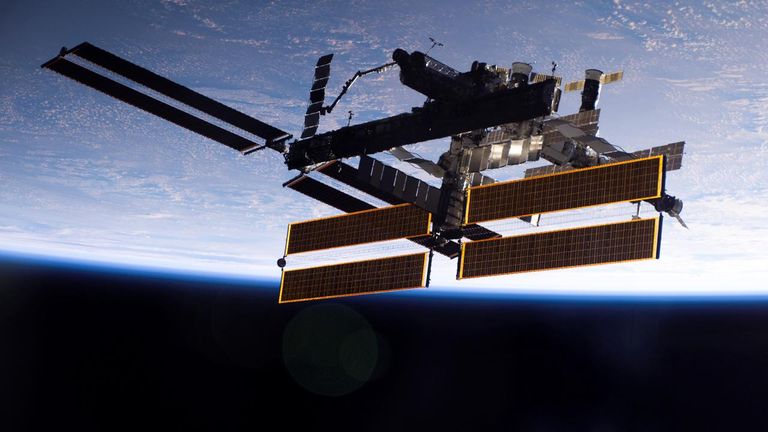
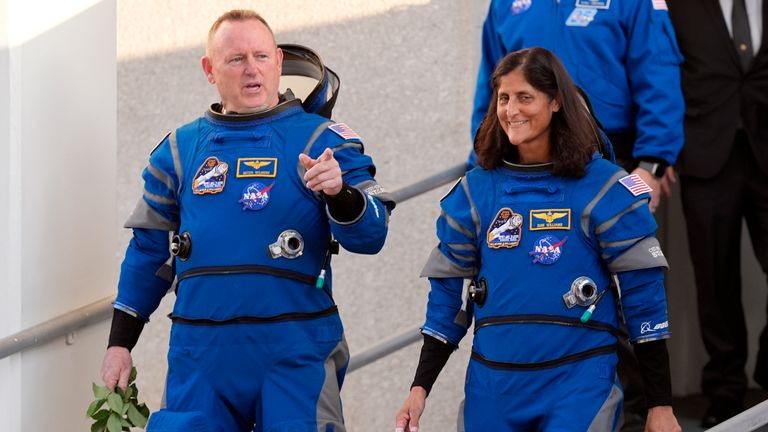
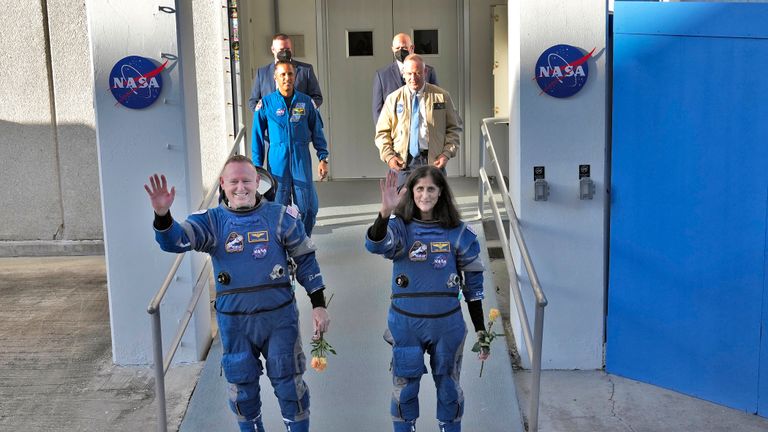
Imagine being thousands of miles above Earth, confined to a spacecraft with limited space and resources, knowing you won’t return home for another six months. This is the reality for Sunita “Suni” Williams and Commander Barry “Butch” Wilmore, two seasoned NASA astronauts currently aboard the International Space Station (ISS). What was initially planned as a brief, eight-day mission has extended into nearly three months, with no immediate return in sight due to technical issues with Boeing’s new Starliner spacecraft.
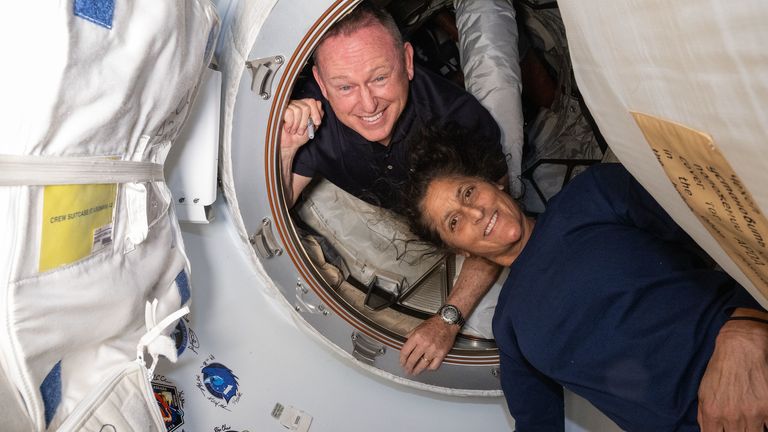
The Mission That Took an Unexpected Turn
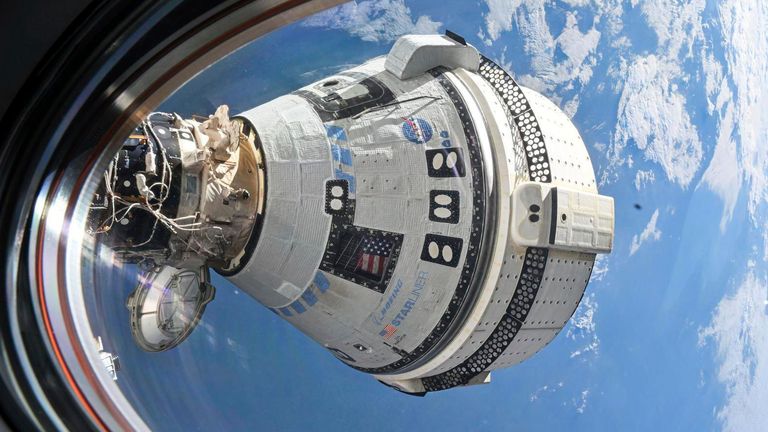
Williams and Wilmore arrived at the ISS in June as the first crew to test Boeing’s Starliner, a spacecraft designed to ferry astronauts to and from orbit. However, their return flight has been delayed after the Starliner experienced serious technical difficulties, including helium leaks and thruster failures during its initial docking phase. These issues raised significant safety concerns about its ability to bring the astronauts back to Earth.
Despite Boeing’s assurances that the spacecraft remains safe and that there is “no increased risk,” NASA has decided to prioritize astronaut safety by scheduling their return on a SpaceX Crew Dragon mission in February 2025 instead. This decision means the pair will remain in orbit for roughly six additional months, far beyond their originally planned stay.
Life Aboard the International Space Station
Living Space and Facilities
The ISS is a marvel of engineering, stretching 356 feet (109 meters) end-to-end, nearly the length of an American football field including end zones. NASA describes the habitable volume as larger than a six-bedroom house, equipped with six individual sleeping quarters, two bathrooms, a gym, and a panoramic 360-degree observation bay window offering breathtaking views of Earth below.
However, the station is far from a luxury hotel. Williams and Wilmore share these facilities with seven other astronauts from various missions, four fellow Americans and three Russian cosmonauts, creating a compact, highly functional living environment that requires cooperation and adaptability.
Supplies: Food, Water, and Oxygen
The ISS is well-equipped with life-support systems designed to sustain its crew for extended periods. Oxygen is generated onboard through electrolysis, splitting water molecules into oxygen and hydrogen. Around 50% of the oxygen exhaled as carbon dioxide by the crew is captured and recycled, ensuring air quality remains safe.
Water conservation is equally impressive. The station uses an advanced recycling system that converts astronaut urine and cabin humidity, moisture from breath and sweat, back into drinkable water. This closed-loop system dramatically reduces the need for frequent resupply missions.
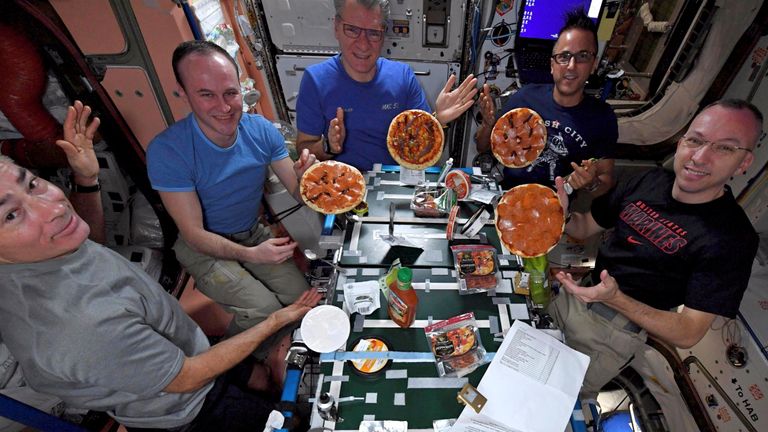
Food aboard the ISS combines nutrition and palatability. NASA’s Space Food Systems Laboratory in Houston develops meals that are both appetizing and practical for space. Much of the food is dehydrated and requires rehydration before consumption, but options include ready-made meals such as barbecued beef brisket, eggs, vegetables, bread, and a variety of snacks and sweets. Crew members can even request personal favorites from Earth; Williams has expressed her fondness for Nutter Butter spread, which her family sent to her in space.
Resupply Missions and Personal Comforts
The last supply spacecraft arrived on 6 August, bringing approximately three tonnes of essentials, including food, fuel, and personal items. This delivery was critical for Williams and Wilmore, who had to leave their personal belongings behind during launch to accommodate extra equipment. Their own clothes finally arrived with this shipment, along with other comforts from home.
Supplies are routinely sent from Earth aboard cargo vehicles launched from locations such as Kazakhstan, with the crew able to communicate their needs to Mission Control in advance. After unloading, these supply ships are repurposed as trash containers and sent back to burn up in Earth’s atmosphere, ensuring the station remains tidy and operational.
Managing Daily Life in Microgravity
The mundane becomes extraordinary in zero gravity. Simple tasks like using the toilet require specialized equipment. Williams has described the station’s restroom setup, which includes two separate tubes: one for urine and another for solid waste. The urine tube features a vacuum system to prevent spills, while the solid waste toilet has a seat and requires astronauts to hold on to handles to avoid floating away.
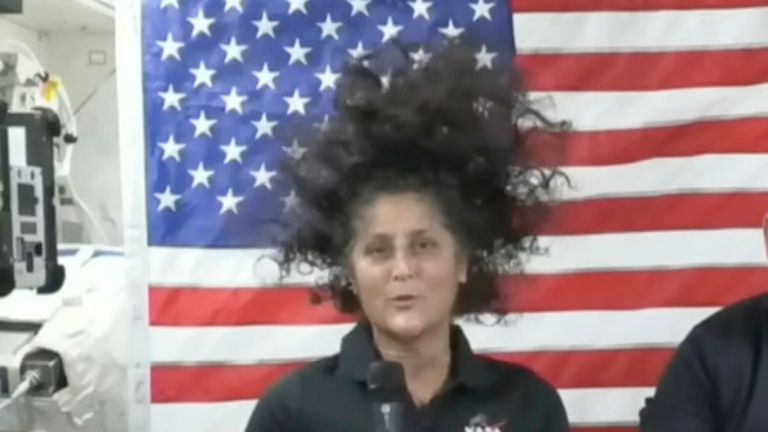
Sleeping is another unique experience. Without gravity, astronauts can sleep in any orientation, on the floor, wall, or ceiling, and it all feels the same. The station’s sleeping quarters are small, phone booth-sized rooms where crew members secure themselves in sleeping bags to avoid drifting while they rest.
Staying Physically and Mentally Fit
Long-duration spaceflight poses significant challenges to human health, particularly muscle atrophy and bone density loss. To combat this, the ISS features the Advanced Resistive Exercise Device (ARED), a gym system that simulates traditional weightlifting exercises using vacuum cylinders. Astronauts perform squats, deadlifts, bicep curls, and more to maintain their physical strength.
When not engaged in scientific experiments or maintenance tasks, astronauts enjoy leisure activities such as observing Earth’s stunning landscapes through the station’s large windows or connecting with loved ones via video calls. Maintaining mental health during extended missions is paramount, and the crew’s camaraderie plays an essential role in coping with the isolation and confinement.
The Astronauts’ Perspective and NASA’s Response
Both Williams and Wilmore are highly experienced, retired Navy captains with multiple long-duration space missions under their belts. They have expressed confidence in the ongoing testing of Boeing’s Starliner and remain focused on their duties aboard the ISS.
At a news conference in July, Williams shared optimism about the spacecraft’s eventual safe return, while Wilmore emphasized their commitment to gathering the necessary data to ensure a successful journey home. Their calm and professional attitude has reassured NASA and the public alike.
NASA Administrator Bill Nelson highlighted the inherent risks of spaceflight, especially during test missions, and justified the decision to postpone the Starliner’s crewed return due to unresolved technical uncertainties. According to NASA’s commercial crew manager Steve Stich, the primary concern involves thruster malfunctions and helium leaks that jeopardize the critical deorbit and separation maneuvers required for safe re-entry.
Looking Ahead: What This Means for Space Travel
The extended stay of Williams and Wilmore aboard the ISS underscores the complexities of human spaceflight and the vital importance of rigorous testing and safety protocols. While their mission has been lengthened unexpectedly, their experience will provide valuable insights into long-duration habitation and emergency contingency planning.
Although this mission will not set a record for longest time in space, Russian cosmonaut Valeri Polyakov’s 437-day mission in the 1990s remains unmatched, it highlights the resilience and adaptability required of astronauts. Recent missions, such as NASA astronaut Frank Rubio’s 371-day stay, have also extended due to technical challenges, demonstrating that flexibility is a critical aspect of modern space exploration.
NASA’s decision to prioritize astronauts’ safety by opting for a SpaceX return mission also reflects the growing importance of having multiple reliable spacecraft providers. This redundancy ensures that astronauts can safely complete their missions even if one system encounters unexpected problems.
As Williams and Wilmore continue their mission, their perseverance and professionalism inspire confidence in the future of human spaceflight. Their journey is a testament to the spirit of exploration and the ongoing quest to push the boundaries of what is possible beyond our home planet.