Two men have been formally charged with conducting hostile surveillance on London’s Jewish community, allegedly acting on behalf of Iranian intelligence. The accused stand before the court facing serious allegations of spying on key Israeli and Jewish institutions in the UK capital.
What Happened: Details of the Alleged Spying Operation
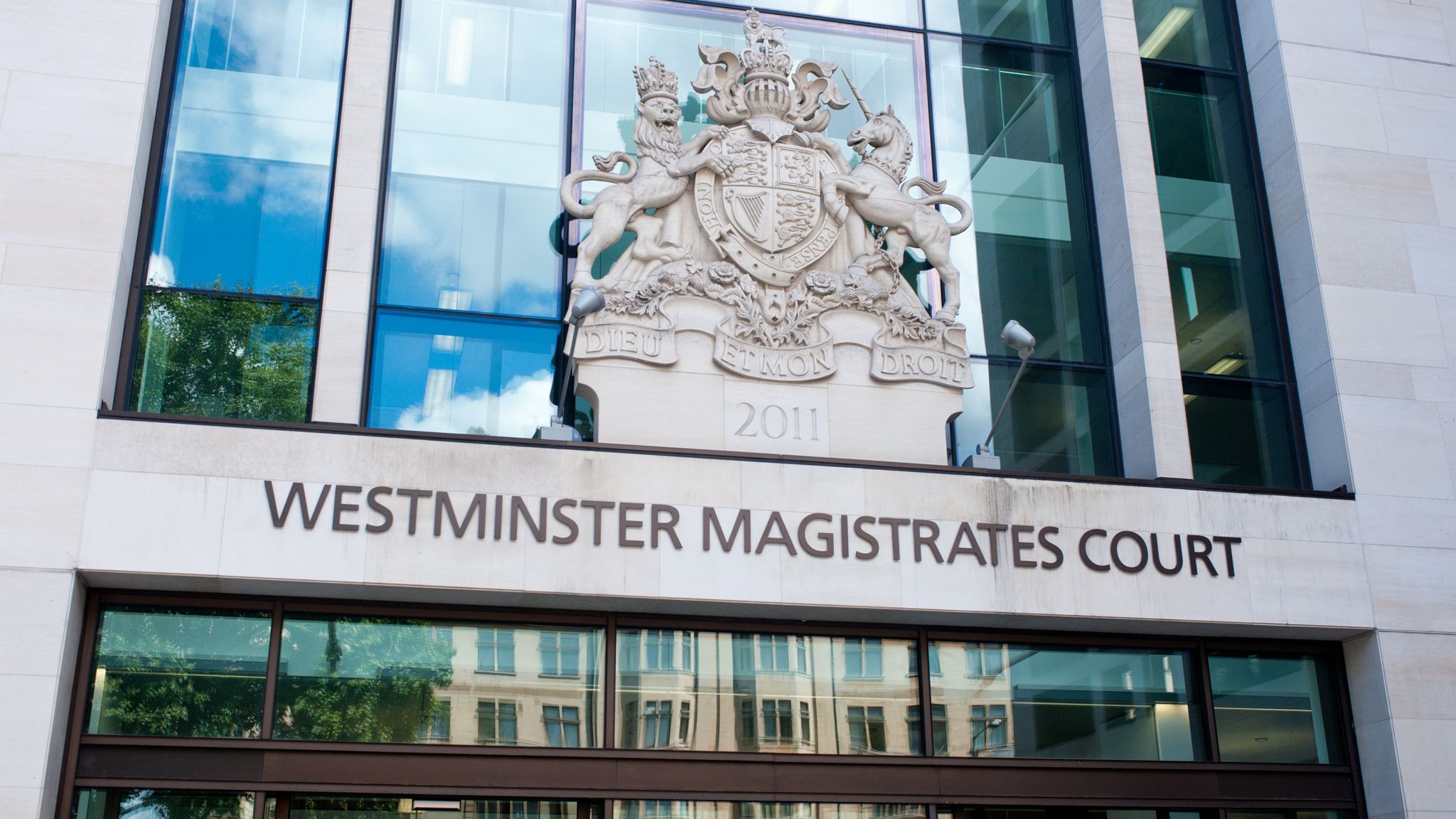
Nematollah Shahsavani, 40, and Alireza Farasati, 22, appeared at Westminster Magistrates’ Court accused of spying activities targeting multiple Jewish sites in London. Prosecutors say the men conducted surveillance that directly aided Iran’s intelligence service, focusing on Jewish organizations and Israeli diplomatic premises.
Among the alleged targets were the Israeli Embassy, the Israeli Consulate, London’s historic Bevis Marks Synagogue, a Jewish community centre, and the Community Security Trust, a charity that provides security advice to Jewish communities. Additionally, a woman residing in the UK, accused of being a Mossad agent, was reportedly also surveilled.
The surveillance activities reportedly took place between 9 July and 15 August of last year. Prosecutor Louise Attrill told the court the defendants are suspected of deliberately assisting the Iranian intelligence service by conducting “hostile surveillance of locations and individuals linked to the Israeli and the Jewish community.”
Shahsavani, who works as a delivery driver and is a father of two from North Finchley, north London, holds dual Iranian and British nationality and has lived in the UK since 2009. Farasati, a trained barber from Colindale, northwest London, is an Iranian national who moved to the UK as a teenager in 2021.
Court proceedings revealed that Shahsavani allegedly “tasked” Farasati with gathering information and carrying out reconnaissance on Jewish and Israeli sites, fully aware that their actions would materially assist a foreign intelligence service. Both men declined to enter a plea during this initial hearing and were remanded in custody ahead of their next court appearance at the Old Bailey scheduled for 17 April.
Why This Case Matters: The Broader Context of Intelligence Operations in the UK
This case highlights ongoing concerns about foreign intelligence operations targeting minority communities and diplomatic entities within the United Kingdom. Iran’s intelligence activities have long been a subject of scrutiny in Western countries, with multiple reports of espionage and hostile surveillance aimed at political dissidents, religious minorities, and foreign missions.
The Jewish community in London, one of the largest in Europe, has faced threats ranging from antisemitic attacks to covert surveillance. Organizations like the Community Security Trust play a crucial role in providing security assessments and protecting Jewish institutions from external threats, including espionage.
The targeting of a woman alleged to be a Mossad agent further underscores the international intelligence dimensions of this case, illustrating the complex espionage landscape that involves multiple nations’ intelligence services operating covertly within the UK.
What Comes Next: Legal Proceedings and Security Implications
As Shahsavani and Farasati await their next court hearing, the case will be closely watched by security experts, diplomatic circles, and the Jewish community. The use of the National Security Act 2023 to charge the men demonstrates the UK government’s commitment to tackling espionage and protecting national security.
The Old Bailey hearing on 17 April will further clarify the evidence against the accused and determine the next steps in the legal process. If found guilty, the men could face significant prison sentences given the severity of charges related to assisting a foreign intelligence service.
This case also serves as a stark reminder of the ongoing threats posed by foreign espionage against vulnerable communities and diplomatic missions. It emphasizes the importance of vigilance, intelligence-sharing, and robust security measures to safeguard national interests and minority communities within the UK.
Takeaway: The Persistent Challenge of Foreign Espionage in the UK
The arrest and charging of Shahsavani and Farasati spotlight the persistent and evolving challenge of foreign espionage within the United Kingdom. As geopolitical tensions continue to influence intelligence activities worldwide, the UK must remain vigilant in protecting its diverse communities and diplomatic entities from covert surveillance and hostile intelligence operations.
This case underscores the crucial role of law enforcement and intelligence agencies in detecting and disrupting foreign spying efforts. It also highlights the resilience and vigilance of the Jewish community and supporting organizations in the face of such threats.
Full details of the ongoing investigation and trial will unfold in the coming months, shaping the UK’s approach to counterintelligence and community security in an increasingly complex international landscape.