Two men have been convicted for the brutal stabbing of a prominent TV presenter on a suburban street, a shocking incident that has unveiled the covert use of criminal “proxies” allegedly orchestrated by the Iranian government within the United Kingdom. This case has not only drawn attention to the violent assault itself but also highlighted the troubling tactics employed by foreign powers to silence dissent on British soil.
The Stabbing Attack and Legal Outcome
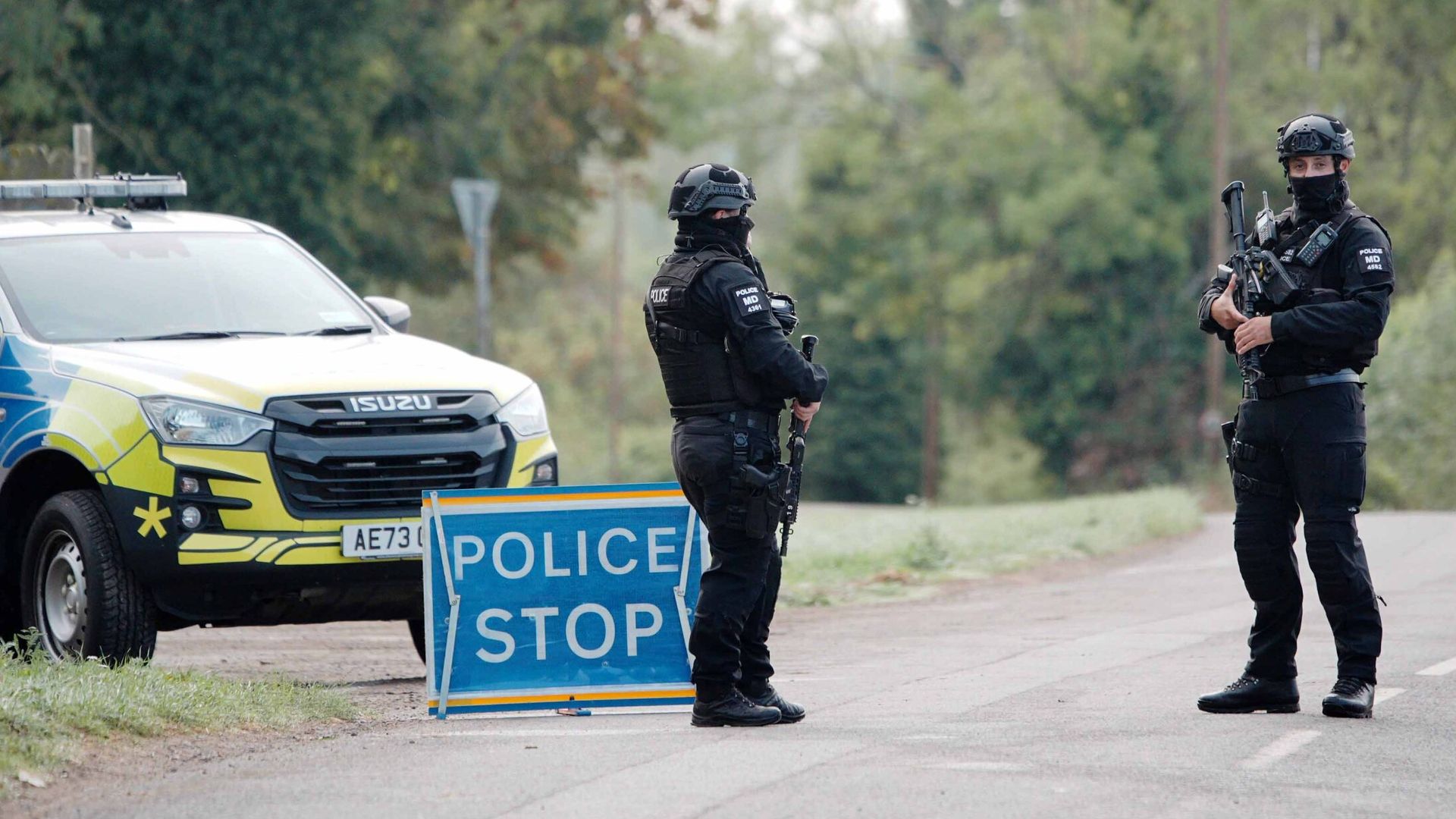
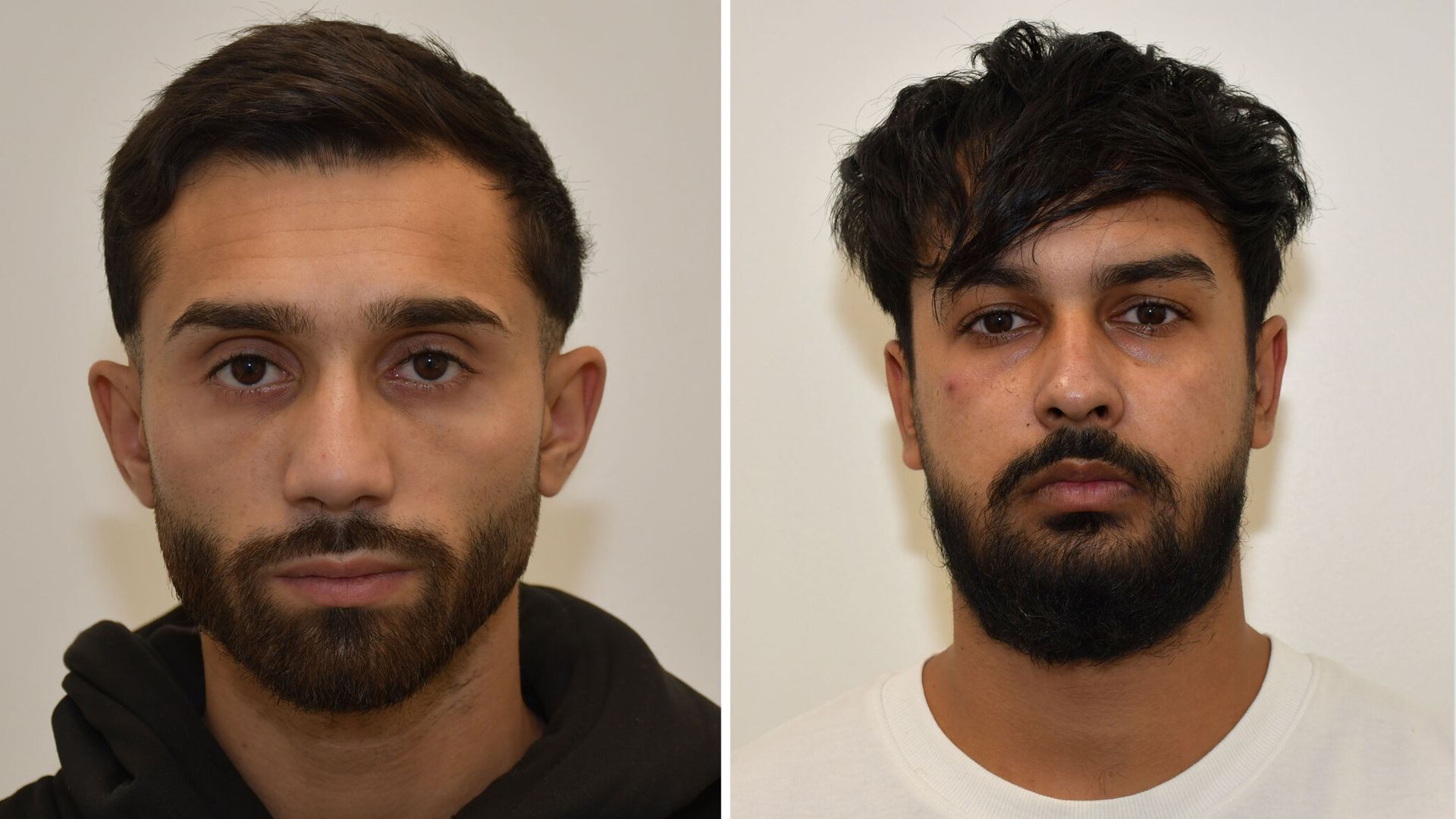
The assault took place in a quiet suburban neighborhood, where the victim, a well-known television presenter, was attacked in broad daylight. The two men, whose identities have been revealed during the trial, were found guilty of carrying out the stabbing, confirming suspicions that the act was not random but premeditated.
During the court proceedings, prosecutors laid out evidence linking the assailants to a larger network that operates on behalf of foreign interests. The conviction marks a significant victory for law enforcement agencies committed to protecting public figures and maintaining security against politically motivated violence.
The Role of Criminal “Proxies” and Iranian Government Involvement
This case has shed light on a disturbing method employed by the Iranian government, which reportedly uses criminal proxies to execute attacks abroad. These proxies operate covertly, allowing the Iranian regime to carry out violent actions while maintaining plausible deniability.
Experts on international security explain that such proxies serve as instruments of intimidation and repression beyond Iran’s borders, targeting dissidents, journalists, and public figures critical of the regime. The use of criminal networks complicates law enforcement efforts but also underscores the lengths to which authoritarian governments will go to stifle freedom of expression.
British authorities have expressed grave concern over the implications of this case, emphasizing the need for heightened vigilance and stronger countermeasures against foreign interference and politically motivated violence within the UK.
Why This Case Matters: Implications for UK Security and Freedom of Speech
The stabbing of a high-profile TV presenter is more than an isolated act of violence; it represents a direct assault on the principles of free speech and democratic values in the UK. The involvement of foreign proxies in such attacks raises urgent questions about national security and the protection of individuals who challenge oppressive regimes.
This case also serves as a warning about the evolving tactics of authoritarian governments that seek to extend their influence and suppress opposition globally. The use of proxies allows these regimes to circumvent international laws and avoid direct accountability, making it imperative for governments worldwide to collaborate and develop robust strategies to counteract these threats.
For the UK, this conviction marks a critical step in addressing the dangers posed by foreign state-sponsored violence on its soil. It highlights the importance of protecting journalists, public figures, and activists who play a vital role in holding power to account.
Looking Ahead: Strengthening Defenses Against Foreign-Backed Violence
In the wake of the conviction, British authorities are expected to review and bolster their security protocols to prevent similar attacks in the future. This includes enhancing intelligence-sharing, increasing surveillance of suspected proxy networks, and providing greater protection for potential targets.
Public awareness also plays a crucial role in countering these covert operations. Understanding the ways in which foreign regimes employ proxies to silence dissent can empower communities and policymakers alike to stand firm against such threats.
Ultimately, this landmark conviction not only delivers justice for the victim but also signals a determined stance against the use of criminal proxies to undermine freedom and safety in the UK. The case underscores the ongoing battle to preserve democratic values in the face of foreign interference and political violence.
Full details of the ongoing investigations and broader implications of this case continue to emerge as authorities work to dismantle proxy networks operating within the UK.