

The United Kingdom has secured a groundbreaking deal with Nigeria aimed at simplifying the removal process for individuals without legal rights to remain in the UK. This agreement marks a significant shift in bilateral relations and migration management between the two nations.
What the Agreement Entails
For the first time ever, the Nigerian government has agreed to recognize UK-issued letters of identification—documents provided to individuals lacking a valid passport. This recognition eliminates the previous requirement for Nigerians to wait for emergency travel documents before deportation, thereby accelerating the return process.
The deal was formalized during Nigerian President Bola Ahmed Tinubu‘s historic state visit to the UK, the first by a West African leader in 37 years. The visit also included a high-profile meeting with UK Prime Minister Sir Keir Starmer at 10 Downing Street, where both leaders committed to strengthening cooperation across trade, infrastructure, and sustainable growth sectors.
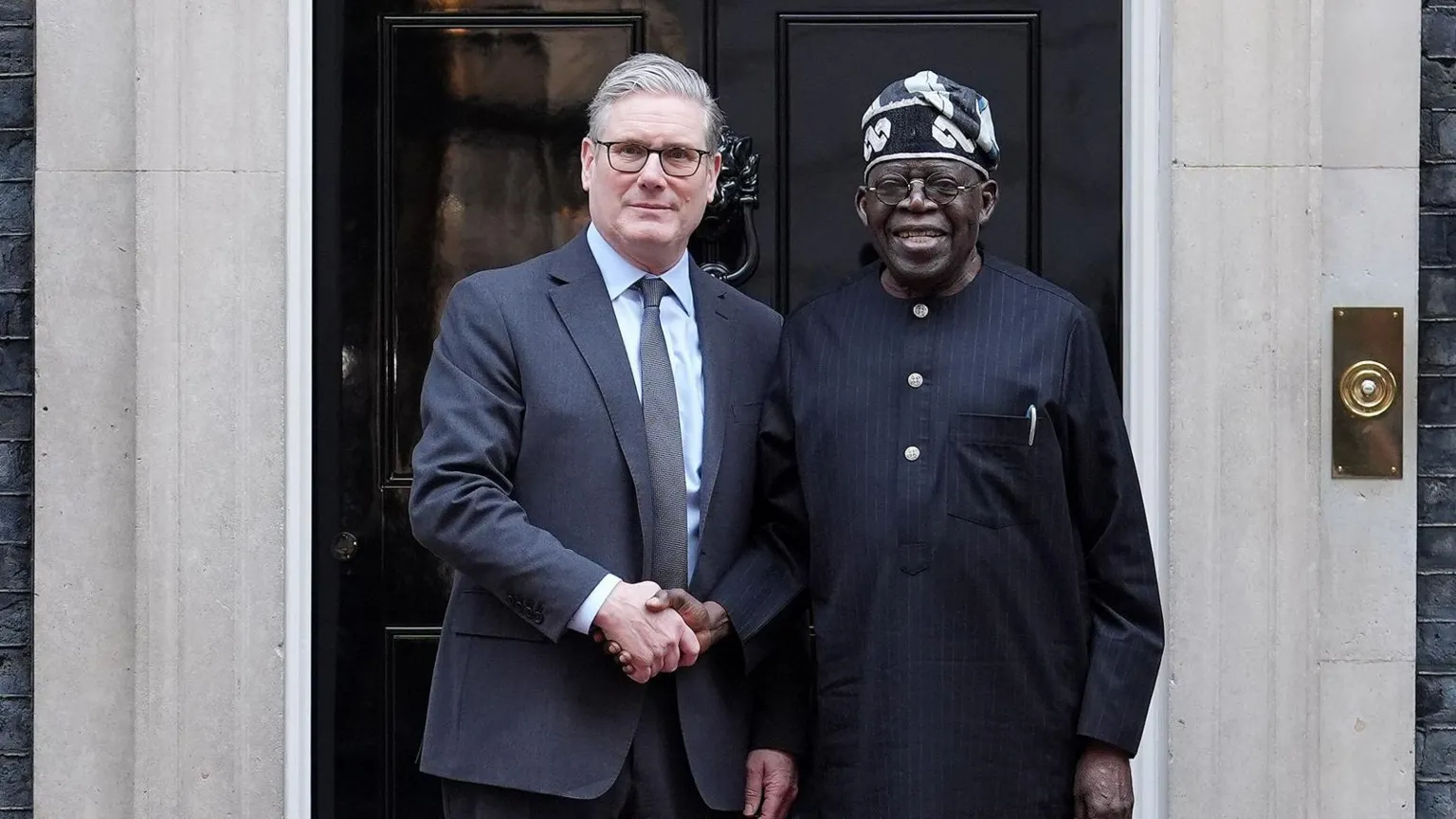
A Downing Street spokesperson highlighted that the two countries will deepen collaboration on defence and security, particularly targeting transnational crime and terrorism. This cooperation extends beyond immigration enforcement to broader strategic interests.
Enhanced Measures Against Illegal Migration and Crime
The Home Office emphasized that the new immigration agreement will expedite the removal of individuals who overstay visas, foreign criminals, and failed asylum seekers. Notably, returns to Nigeria nearly doubled last year, reaching 1,150 individuals.
Both governments have pledged to launch joint operations and share intelligence to dismantle criminal networks exploiting visa routes. A new, standardized document verification system will be introduced to authenticate visa applications and combat fraud.
This initiative follows multiple high-profile cases involving fake job sponsorships, sham marriages, and forged financial or employment documents. In response, Nigeria has committed to reviewing its legal framework to impose the strictest possible punishments on immigration offenders.
Border Security and Asylum Minister Alex Norris described Nigeria as a “key partner” in tackling illegal migration, noting its status as the UK’s largest African visa market and home to thousands of Nigerian nationals residing in Britain.
Economic Dimensions: Ports and Steel Industry Boost
Alongside the immigration agreement, the UK and Nigeria unveiled a substantial £746 million deal to modernize two major ports in Lagos. This project is backed by UK Export Finance (UKEF), which guarantees loans provided by banks under the condition that at least 20% of the contract work is sourced from the UK.
The initiative will channel at least £236 million worth of supplier contracts to British companies, including a landmark £70 million export deal for British steel—the largest ever supported by UKEF. This aligns with the UK government’s broader strategy to revitalize the domestic steel sector, reinforcing economic ties between the two countries.
Historic and Cultural Significance of Tinubu’s Visit
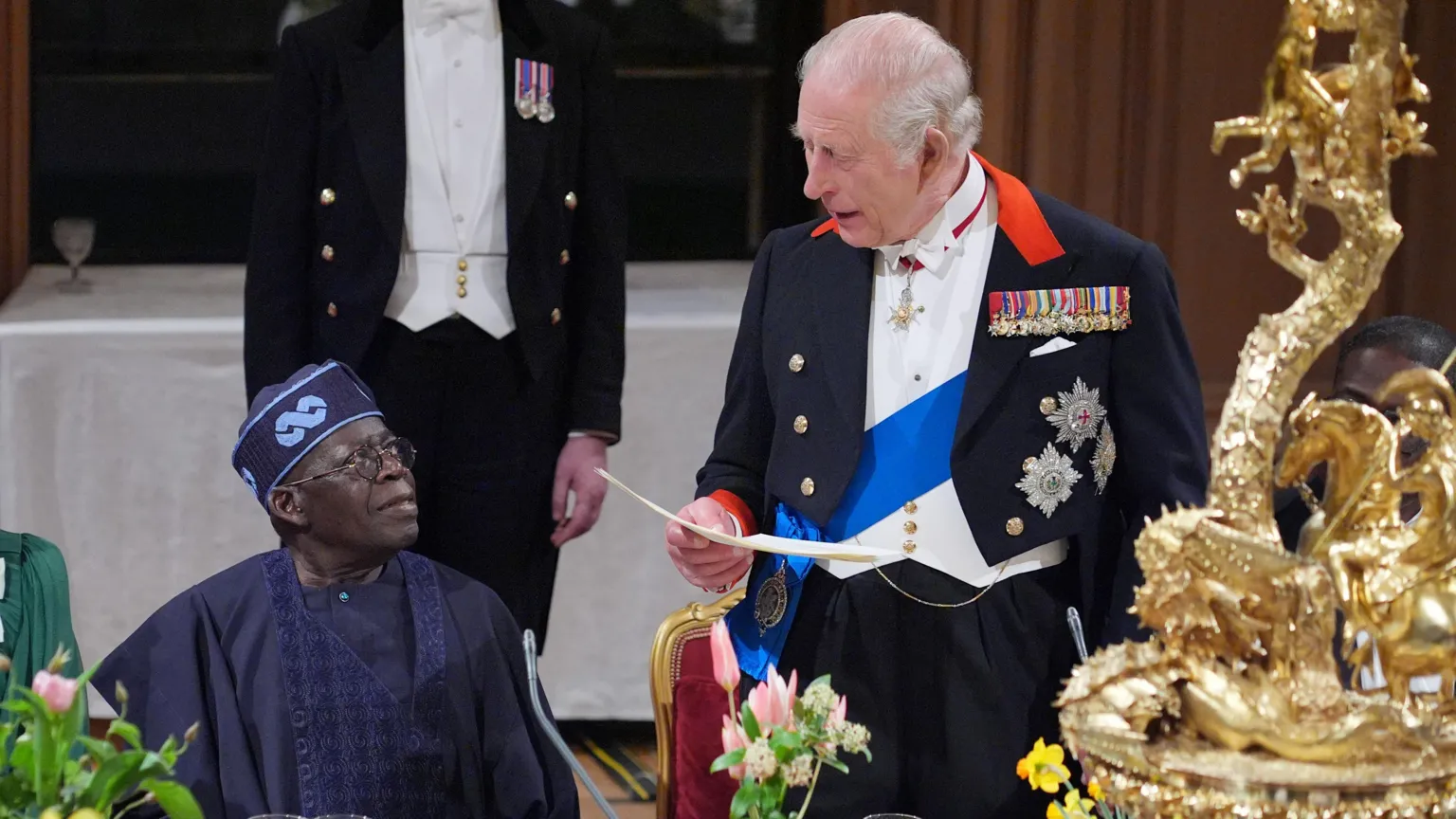
President Tinubu’s visit was notable not only for its political and economic dimensions but also for its cultural sensitivity. As the first Muslim leader to visit the UK during Ramadan in nearly a century, special accommodations were made. Windsor Castle hosted a state banquet where a prayer room was set aside, and the usual royal lunch was omitted to respect Tinubu’s fasting.
First Lady Oluremi Tinubu, who is Christian, also paid a visit to Lambeth Palace, the residence of the Archbishop of Canterbury, underscoring the interfaith respect exhibited during the visit.

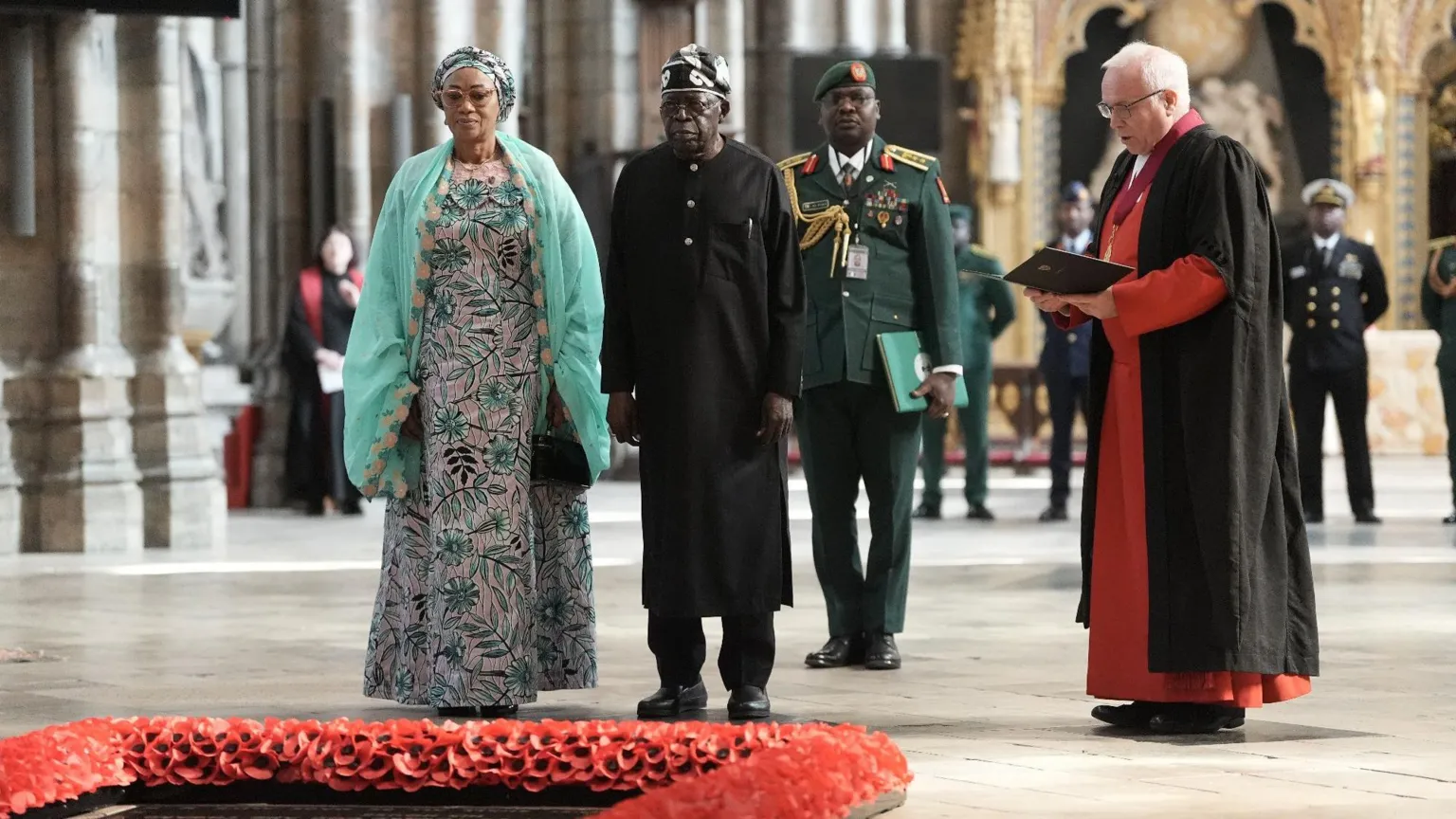
Earlier in the week, the president and first lady laid a wreath at the Grave of the Unknown Warrior during a solemn visit to Westminster Abbey, symbolizing the deep historical ties between Britain and Nigeria.
Context and Challenges Facing Nigeria
This diplomatic engagement arrives amid serious security challenges in Nigeria, particularly in the northeastern state of Borno. The region has recently suffered a series of suicide bombings that killed at least 23 people and injured over 100. These attacks have been attributed to Boko Haram, a hard-line Islamist militant group.
The UK’s increased collaboration with Nigeria on security matters reflects concern over such transnational threats and the need for coordinated counterterrorism efforts.
Why This Matters
The UK-Nigeria agreement represents a multifaceted partnership that extends beyond migration control. It signals a renewed commitment to cooperative security, economic development, and cultural respect.
For the UK, streamlining migrant returns reduces administrative delays, helps manage immigration pressures, and targets criminal exploitation of visa systems. For Nigeria, the deal offers enhanced legal mechanisms to combat immigration offenses and the economic boost from infrastructure projects and trade agreements.
As migration remains a contentious issue globally, this deal may serve as a blueprint for other nations seeking pragmatic and respectful cooperation. It also highlights how diplomacy can simultaneously address humanitarian, security, and economic priorities.
Moving forward, the success of this partnership will depend on effective implementation and sustained dialogue, with both nations committed to mutual benefit and addressing shared challenges.