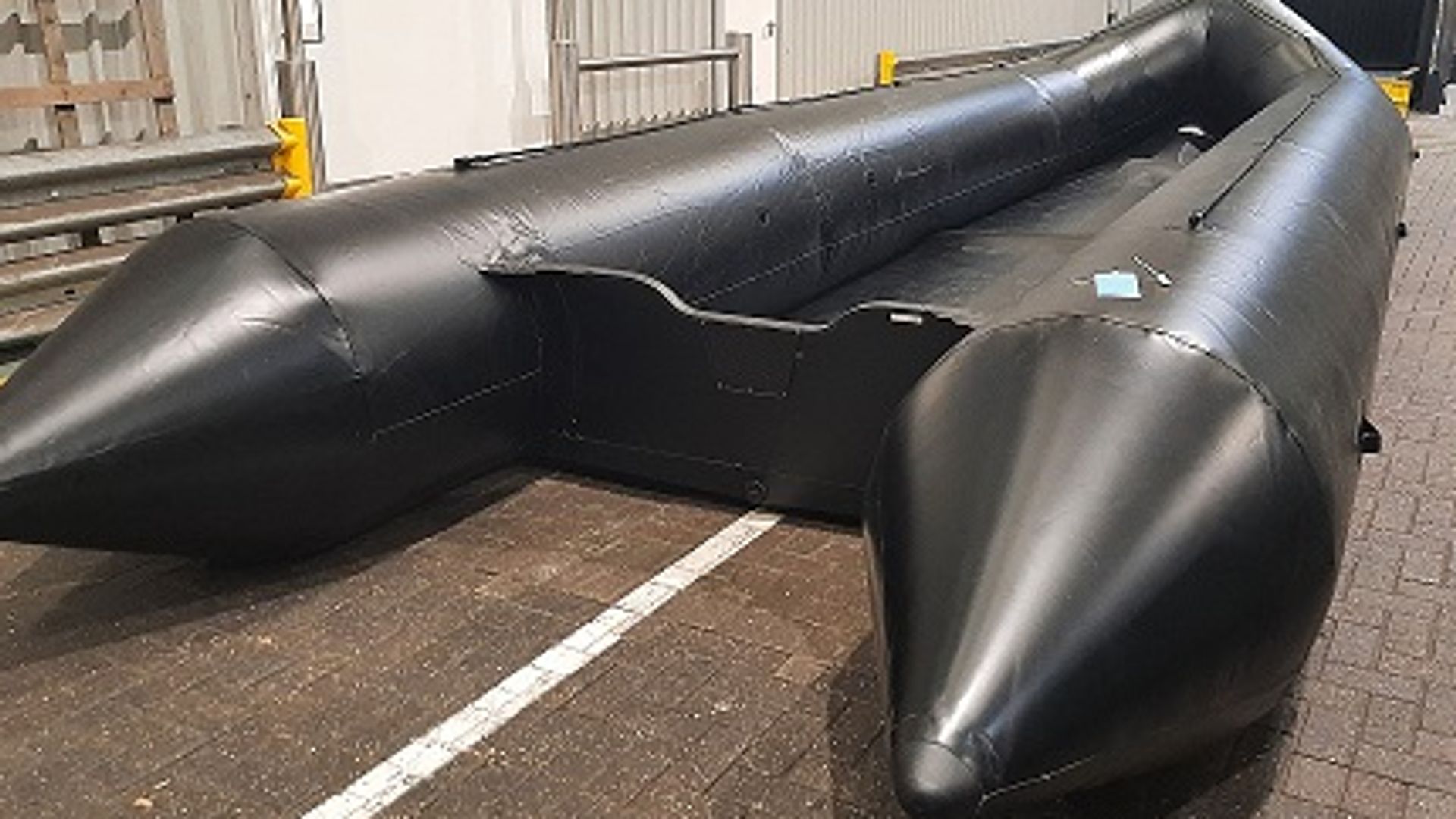
In a significant crackdown on human trafficking networks, UK customs officials have confiscated at least 25 inflatable boats along with 25 engines at the port of Felixstowe. These vessels were destined to be used by people-smuggling gangs, potentially carrying up to 2,000 individuals across dangerous waters.
Major Seizure at Felixstowe Port
The port of Felixstowe, one of the busiest container ports in the United Kingdom, became the focal point of a successful interdiction effort targeting illegal migrant transport. The inflatable boats, often favored by traffickers for their portability and low cost, were intercepted before they could reach the hands of smugglers.
Each boat is typically outfitted with an engine powerful enough to navigate the often treacherous channel crossings. The 25 engines discovered alongside the vessels underscore the scale of this operation. Authorities estimate that together, these boats could have carried approximately 2,000 people if deployed.
Customs officials involved in the seizure emphasized that intercepting such a volume of equipment represents a significant disruption to smuggling networks operating in the region. The operation also highlights ongoing efforts to combat the dangerous and illegal crossings that have claimed lives in recent years.
Context: The Growing Challenge of People Smuggling
The United Kingdom has faced increasing pressure to address the surge in people-smuggling attempts across the English Channel. Migrants and refugees often risk perilous journeys in makeshift vessels, seeking safety or better opportunities. Smuggling gangs exploit this desperation, supplying unseaworthy boats and charging exorbitant fees.
Felixstowe’s location on the east coast of England makes it a strategic hub for shipping and logistics, but it also presents vulnerabilities exploited by criminal networks. The smuggling boats seized are part of a broader pattern of attempts to facilitate illegal migration via small craft, frequently leading to tragic incidents due to overcrowding and unseaworthy conditions.
Government agencies, including border forces and customs, have intensified surveillance and interceptions at ports and along coastlines. This seizure marks one of the largest in recent times, signaling a focused campaign to dismantle smuggling supply chains before boats reach the water.
Why This Seizure Matters
The confiscation of these boats and engines represents more than just removing equipment from the hands of criminals. It sends a clear message that UK authorities are committed to preventing the exploitation of vulnerable individuals and reducing the risks associated with illegal crossings.
By cutting off the supply of vessels, enforcement agencies disrupt the operational capabilities of smuggling gangs, potentially reducing the number of dangerous Channel crossings. This has implications for public safety, immigration control, and international cooperation on border security.
Furthermore, the seizure underscores the importance of intelligence-led policing and collaboration between customs, border forces, and maritime agencies. Tackling the root causes and supply chains of human smuggling requires sustained, coordinated efforts.
Looking Ahead: Ongoing Efforts to Combat Smuggling
While this operation at Felixstowe marks a significant victory, experts warn that people-smuggling remains a persistent challenge. Smugglers continuously adapt tactics, seeking new routes and methods to evade detection. Therefore, ongoing vigilance and investment in technology, patrols, and intelligence sharing are critical.
Authorities also face the humanitarian challenge of addressing the needs of migrants while enforcing border laws. Balancing security concerns with human rights remains a complex issue at the heart of the migration debate.
As the UK government continues to strengthen its response, seizures like the one at Felixstowe will play a vital role in disrupting criminal networks and safeguarding lives. The port’s strategic importance as a logistics hub makes it a frontline in the fight against illegal smuggling operations.
In summary, the confiscation of 25 inflatable boats and engines at Felixstowe represents a crucial blow to people-smuggling gangs, potentially preventing thousands from undertaking dangerous journeys. This enforcement action highlights the persistent threat of human trafficking and the UK’s determination to combat it through robust maritime security measures.