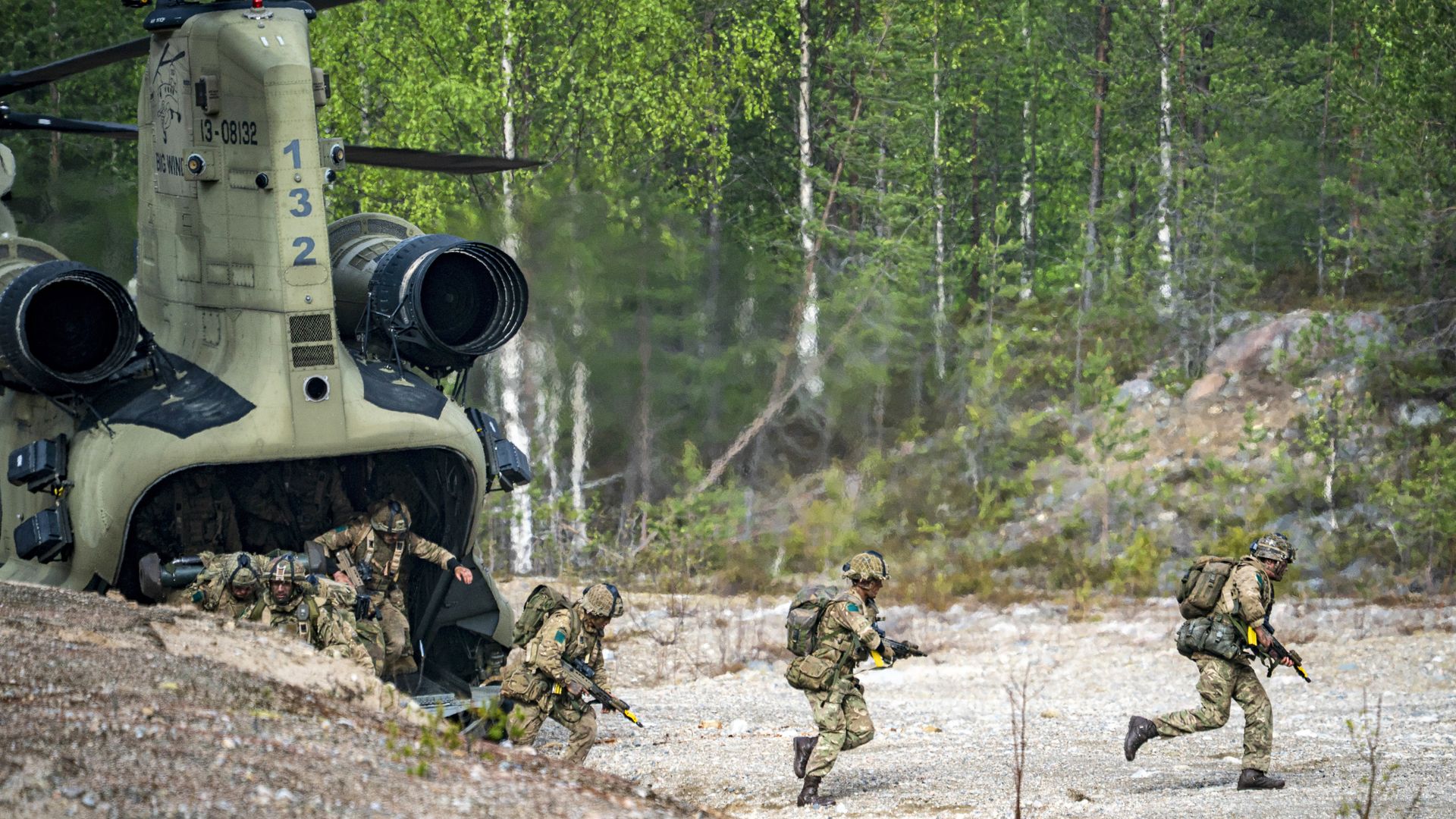
British paratroopers recently disembarked from an American Chinook helicopter during a high-profile training operation less than 50 kilometres from the Russian border in Finland. This exercise, known as Exercise Northern Star, is a large-scale multinational military drill designed to enhance NATO’s readiness and demonstrate coalition unity in the face of evolving security threats from aggressive neighbouring states.
What Is Exercise Northern Star?
Exercise Northern Star is a comprehensive military training operation led by the Finnish Defence Forces, involving approximately 4,000 troops from various NATO member countries and allied nations. The exercise focuses on joint ground operations, with soldiers from different countries working side-by-side to refine tactics, communication, and interoperability. By honing these skills collectively, NATO forces aim to present a formidable deterrent to potential adversaries in the region.
The training incorporates cutting-edge military technologies, notably reconnaissance and attack drones, which provide real-time battlefield intelligence and precision strike capabilities. British forces have also deployed the newly adopted Android Team Awareness Kit (ATAK), an advanced communication and situational awareness system that enhances coordination among troops in dynamic combat environments. These technological assets reflect NATO’s commitment to modernizing its forces to meet contemporary threats.
Why the Delay in the UK’s Defence Spending Plan Matters
Amid this backdrop of heightened military cooperation and readiness, the UK faces growing criticism for delaying its defence spending plan. This postponement has sparked concerns that it undermines the country’s security and credibility both within NATO and on the global stage.
Defence spending plans are crucial for maintaining and upgrading the armed forces, ensuring they remain equipped to respond effectively to emerging threats. The UK’s hesitation disrupts procurement schedules, training programs, and modernization initiatives, potentially weakening its contribution to joint operations like Exercise Northern Star. Such delays also risk eroding trust among allies who rely on the UK’s commitments as part of collective defence arrangements.
Moreover, with the UK playing a pivotal role in NATO’s strategic posture, any uncertainty about its defence funding can embolden adversaries. The proximity of exercises like Northern Star to the Russian border underscores the volatile nature of the security environment in Eastern Europe and the Arctic. Maintaining robust military readiness is essential to deter aggression and reassure smaller nations vulnerable to coercion.
What This Means for UK Security and NATO Cohesion
The delayed defence spending plan has broader implications beyond immediate military preparedness. It sends a signal about the UK’s political will to maintain its position as a leading military power within NATO. Allies may question whether the UK can sustain its promised levels of support in future crises, potentially prompting shifts in regional security dynamics.
For the British military personnel engaged in multinational exercises, this uncertainty could affect morale and long-term planning. Investments in advanced technologies like ATAK and drone capabilities require consistent funding and strategic direction. Interruptions could slow the adoption of such innovations, leaving British forces at a disadvantage compared to other NATO members.
Furthermore, NATO’s collective deterrence strategy depends on predictable contributions from all members. The UK’s delay complicates alliance-wide efforts to synchronize defence capabilities and strategic objectives. In a period marked by renewed geopolitical tensions, maintaining unity and clarity in defence commitments is more critical than ever.
Looking Ahead: The Importance of Timely Defence Investment
As geopolitical challenges continue to evolve rapidly, the UK must address its defence spending delays to reinforce its national security and uphold its role within NATO. The ongoing success of exercises like Northern Star highlights the value of sustained investment in both personnel and technology.
Ensuring that the UK’s armed forces remain well-funded and capable is vital not only for deterring potential adversaries but also for reassuring allies and maintaining international stability. Defence spending is a cornerstone of national resilience, and the UK’s future credibility and safety depend on decisive action to resolve current uncertainties.
In summary, the delay in the UK’s defence budget has tangible consequences that extend beyond domestic politics. It affects operational readiness, alliance trust, and the strategic balance in a region marked by increasing tensions. Prompt resolution and commitment to robust defence funding will be essential to safeguard the UK’s security interests and strengthen NATO’s collective defence posture.