

As the summer of 2026 unfolds, the United Kingdom is grappling with an alarming rise in temperatures, signaling a dramatic shift in its climate patterns. Heatwaves that were once considered rare are now becoming increasingly frequent and intense, reshaping daily life across the nation. This relentless surge in heat not only challenges public health and infrastructure but also underscores the urgent need for a strategic response to climate change.
Rising Temperatures and Expanding Heatwave Zones
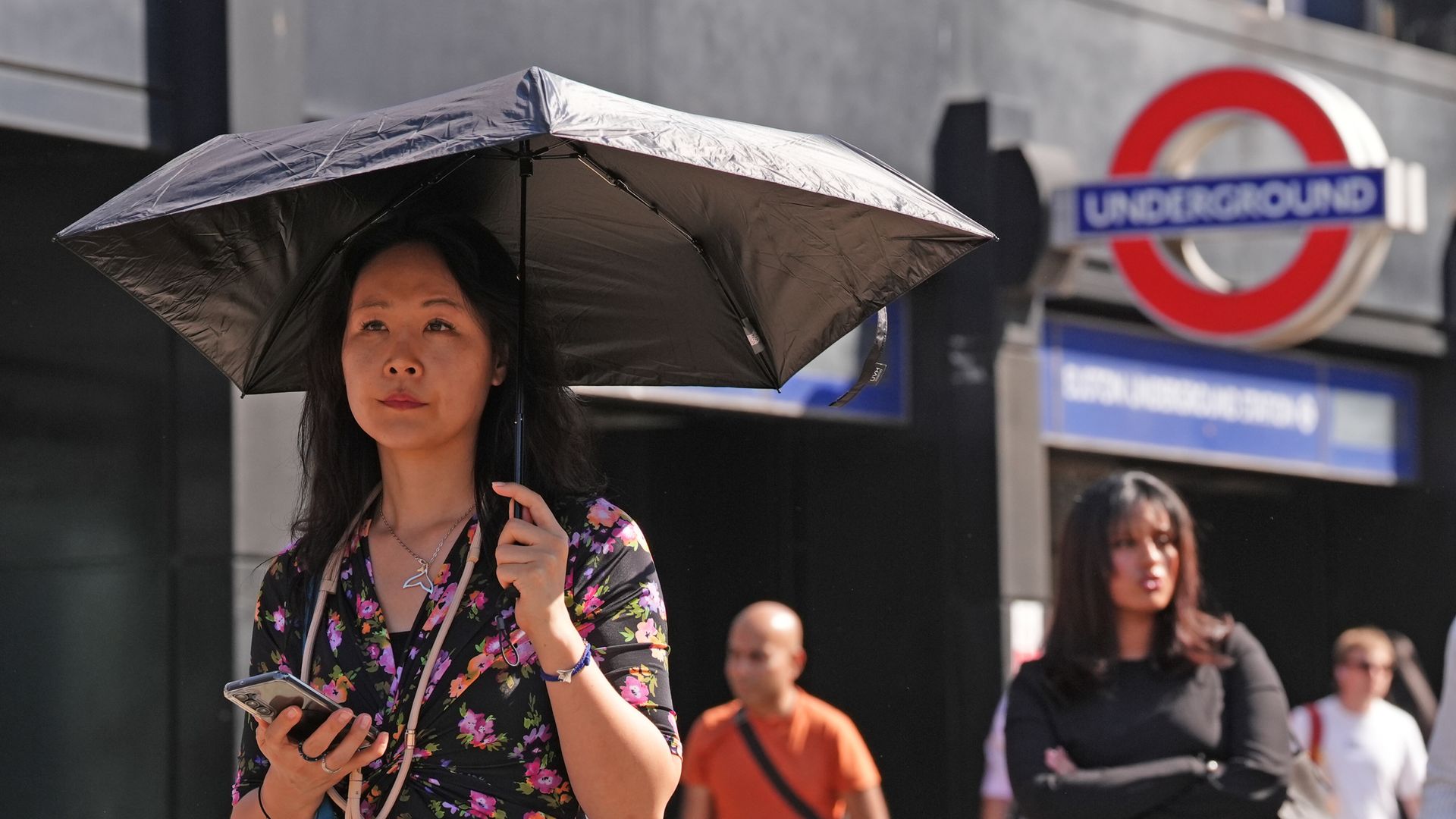
Recent weather data reveal that temperatures are climbing steadily across the UK, with multiple regions surpassing their local heatwave thresholds. Locations that historically experienced moderate summers are now facing unprecedented heat levels. For instance, central London, including areas near Euston Station, has witnessed sweltering conditions that compel residents and commuters alike to seek shade and hydration. This trend is expected to persist throughout the week, with forecasts predicting further temperature spikes.
The expansion of heatwave zones signals a broader climatic transformation. Areas previously untouched by extreme heat are now vulnerable, challenging existing preparedness plans. This shift also raises concerns about the resilience of urban infrastructure, energy supply systems, and healthcare services, all of which must adapt rapidly to accommodate the increasing demand driven by soaring temperatures.
Why the Rising Heatwave Trend Matters
The intensification and frequency of heatwaves carry profound implications for public health and the environment. Vulnerable groups such as the elderly, children, and those with pre-existing health conditions face heightened risks of heat-related illnesses, including heatstroke and dehydration. Moreover, the persistent heat strains the NHS and emergency services, already stretched by other seasonal pressures.
Beyond health, the extreme temperatures affect agriculture, water resources, and biodiversity. Crop yields may decline due to heat stress, while water shortages could become more acute during prolonged dry spells. Urban areas, with their dense populations and heat-retaining infrastructure, are particularly susceptible to the “urban heat island” effect, exacerbating discomfort and health risks.
Looking Ahead: Preparing for a Hotter Future
The current climate trajectory suggests that extreme heatwaves will become a fixture of UK summers. Policymakers, urban planners, and communities must collaborate to develop adaptive strategies that mitigate risks and protect citizens. This includes investing in green infrastructure, such as urban trees and green roofs, which can moderate temperatures and improve air quality.
Public awareness campaigns are also critical to educate individuals on coping mechanisms during heatwaves, emphasizing hydration, avoiding peak sun hours, and recognizing signs of heat-related illness. Furthermore, upgrading healthcare and emergency response systems to handle surges in heat-related cases will be essential.
On a broader scale, these developments highlight the pressing need to address the root causes of climate change. Reducing greenhouse gas emissions through sustainable energy policies and lifestyle changes remains paramount to limiting future temperature rises and safeguarding the environment for generations to come.
In summary, the UK’s encounter with relentless heatwaves marks a pivotal moment in its climate history. As temperatures continue to soar and heatwaves extend their reach, the nation must adapt swiftly and decisively. Understanding the gravity of this shift and acting collectively will determine how well the UK navigates the challenges of a warming world.