UK households face mounting financial strain as escalating tensions in the US-Iran conflict push living costs higher, forcing many families to raid their savings. This economic squeeze aligns with official data revealing a sharp collapse in fuel sales across the country, signaling deeper challenges in household spending patterns.
Rising Costs from Geopolitical Conflict Pressure UK Families
The ongoing conflict between the United States and Iran has sent shockwaves through global energy markets, directly impacting UK consumers. As geopolitical instability drives up fuel prices, families find their budgets stretched thin. The increased cost of petrol and diesel has not only elevated household expenses but also diminished discretionary spending, creating a ripple effect throughout the economy.
A recent, closely monitored survey highlights this trend, showing a growing number of UK households are increasingly reliant on their savings to cover everyday expenses. This marks a significant shift in consumer behavior, underscoring how external geopolitical events can quickly influence domestic financial stability.
Official Figures Reveal Dramatic Decline in Fuel Sales
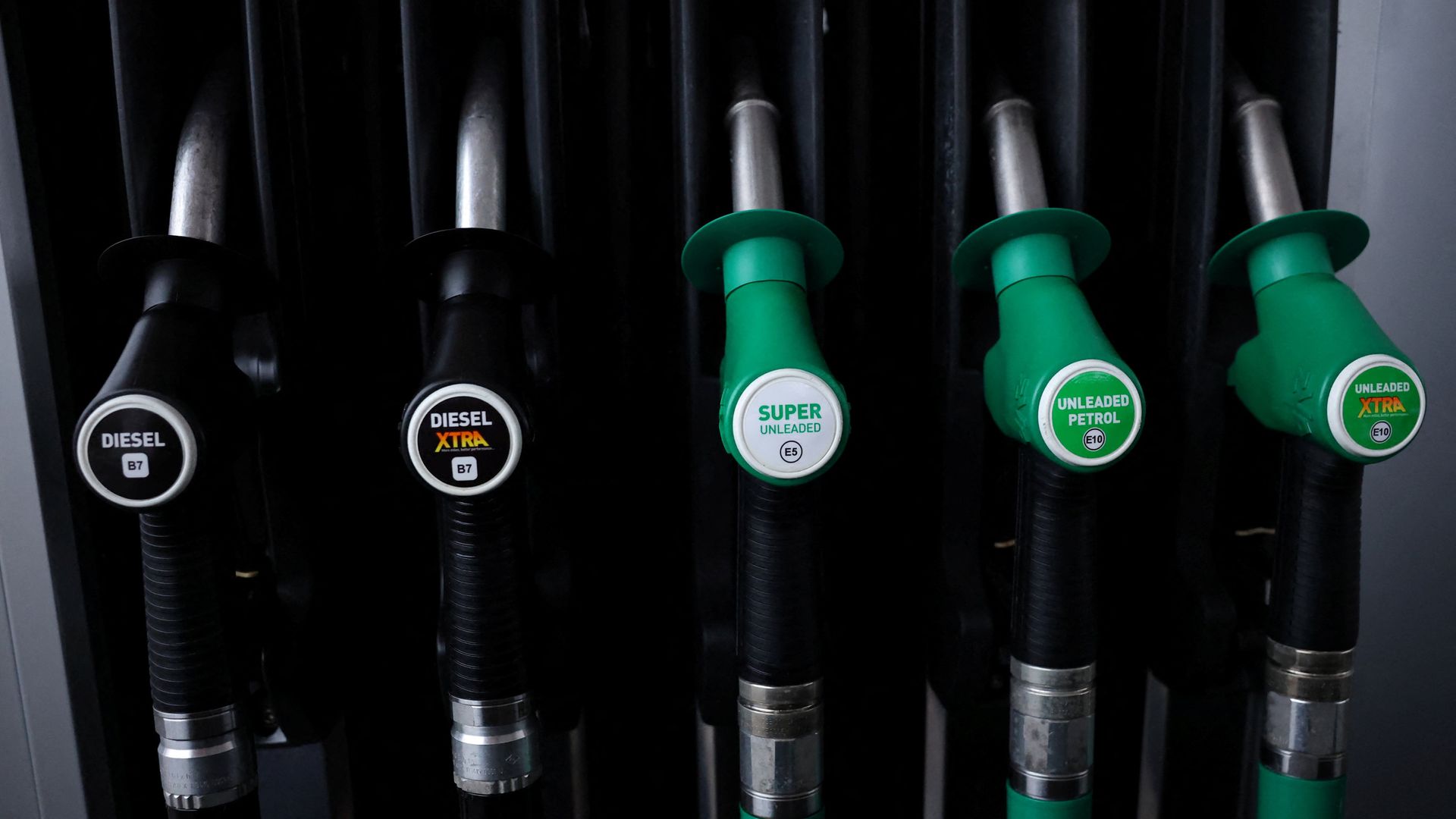
Data released by government agencies confirms a steep decline in fuel sales across the UK, the lowest in recent memory. This collapse suggests consumers are cutting back on travel and transportation costs as a direct response to soaring fuel prices. The reduction in fuel purchases not only affects petrol stations but also signals broader economic caution among the public.
Experts note that this pattern is consistent with households prioritizing essential spending and conserving resources amid uncertainty. The drop in fuel sales reflects a collective tightening of belts, with implications for sectors tied to transportation and retail.
Why This Matters: Economic and Social Implications
The intersection of international conflict and local economic pressure illustrates how global events can profoundly influence everyday life. For UK families, dipping into savings may provide short-term relief, but it also raises concerns about long-term financial resilience.
As savings accounts shrink to cover rising costs, households risk reduced security against future emergencies and diminished capacity to invest in growth opportunities like education or home improvements. This trend could exacerbate economic inequality, disproportionately affecting lower-income families who have fewer financial buffers.
Moreover, the decline in fuel consumption signals potential shifts in transportation habits that could have lasting environmental and infrastructural impacts. Reduced fuel demand might accelerate interest in alternative mobility options, such as electric vehicles or public transport, reshaping the UK’s transport landscape.
Looking Ahead: Navigating Economic Uncertainty
The current situation underscores the need for policymakers to address the cascading effects of international conflicts on domestic economies. Support measures that alleviate pressure on household budgets and foster energy affordability will be crucial in stabilizing consumer confidence.
For families, careful budgeting and exploring energy-efficient alternatives may help mitigate some of the financial burdens. Monitoring ongoing developments in the US-Iran conflict remains essential, as further escalations could intensify economic challenges globally and within the UK.
Ultimately, the collapse in fuel sales and the increased reliance on savings highlight a pivotal moment for UK households—balancing immediate needs against uncertain futures in a volatile economic climate.