

The UK government is poised to overhaul its immigration system, proposing significant changes that would make it substantially harder for migrants already living in Britain to gain permanent settlement. However, mounting political opposition and public debate suggest the government might be rethinking the scope and application of these reforms.
What Are the Proposed Changes to Immigration and Settlement?
At the heart of the government’s plans lies an intention to extend the qualifying period for migrants to apply for permanent residence. Currently, most migrant workers can apply for settlement after five years of continuous residence in the UK. The government aims to double this period to ten years, effectively delaying migrants’ ability to gain settled status.
For refugees, the proposal is even more drastic: the qualifying period could stretch to 20 years before they can apply for permanent settlement. This marks a fundamental shift in the UK’s immigration and asylum system, signaling a tougher stance on who qualifies for long-term residency rights.
This overhaul has sparked fierce criticism from opposition politicians, trade unions, and advocacy groups. Former Deputy Prime Minister Angela Rayner condemned the proposals as “un-British,” framing the reforms as a harsh and unjust approach to immigration. More than 100 Labour MPs, peers, and union leaders have publicly challenged the government’s plans, arguing they erode the UK’s values of fairness and inclusion.
Government’s Ambiguous Stance Amid Growing Backlash
Despite the Home Secretary Shabana Mahmood outlining these plans in November, the government’s communication since then has been notably cautious. When pressed by reporters about whether the government might dilute or adjust the proposals, officials avoided firm commitments, citing an ongoing consultation process.
A statement from a government spokesman clarified that the official position remains unchanged: the qualifying period for settlement will double from five to ten years. The consultation seeks input on how these changes might apply to the approximately 200,000 migrants currently in the UK without settled status. The government is reviewing responses and promises to announce its final decisions “in due course.”
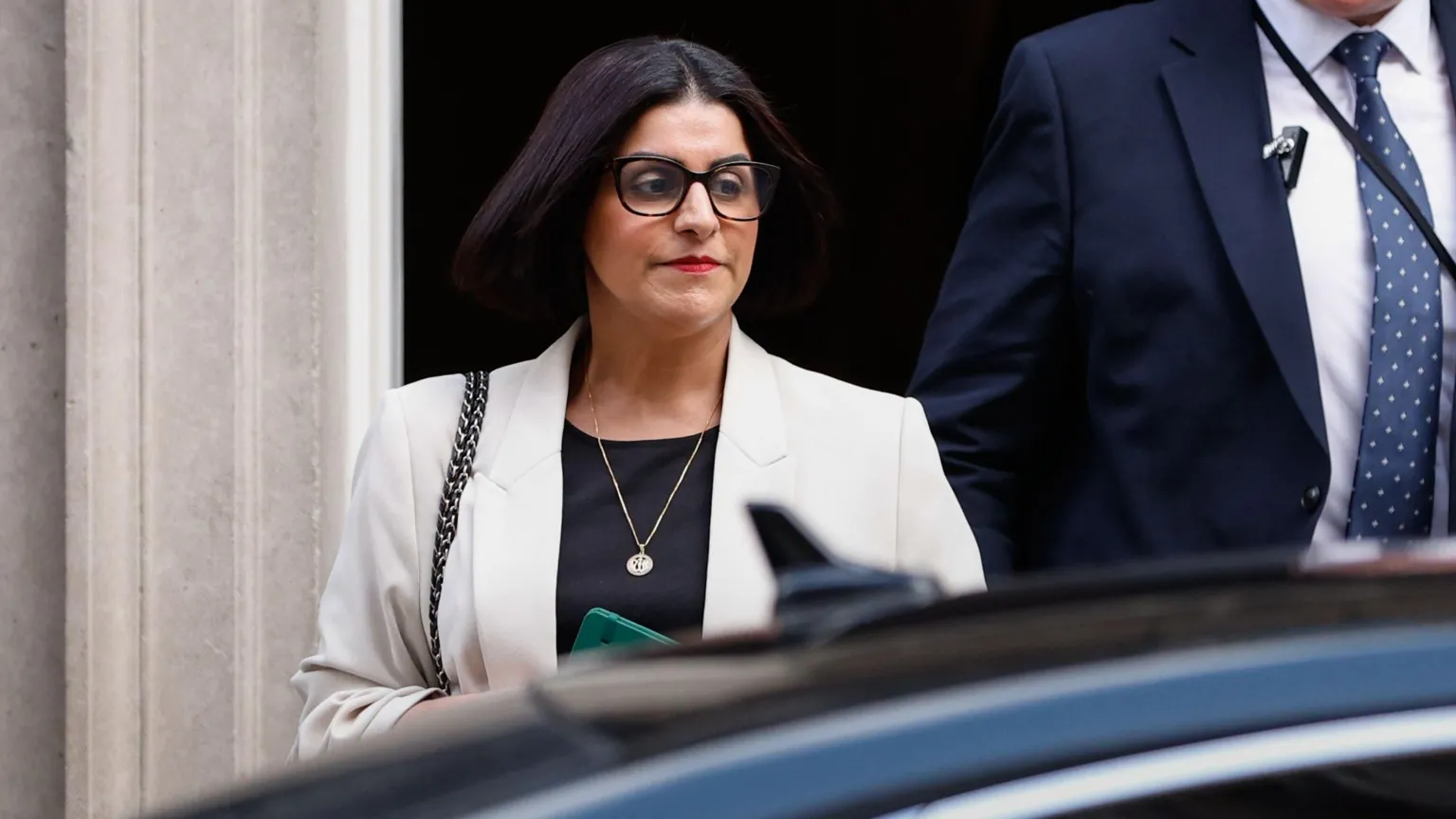
However, the language used by Home Secretary Mahmood offers subtle clues about potential flexibility. She previously mentioned that the ten-year qualifying period should apply “as a norm,” and acknowledged the possibility of “transitional arrangements” for some migrants. These phrases suggest the government is considering exceptions or phased implementations, perhaps to mitigate the political and social fallout.
This nuanced approach indicates the government is aware of the controversy surrounding its plans and is leaving room to adjust details without wholly abandoning the core policy. Political observers interpret this as a strategic move to balance the government’s tough stance on immigration with practical considerations and public sentiment.
Why These Changes Matter and What Could Come Next
The proposed reforms represent one of the most significant shifts in UK immigration policy in years. Extending the path to settlement affects hundreds of thousands of migrants, including workers contributing to the economy and refugees seeking safety. Longer qualifying periods could impact migrants’ access to social services, career planning, and family stability.
Critics argue these changes undermine the UK’s commitments to human rights and international protection, particularly for refugees. Proponents within the government maintain the reforms will strengthen border control, reduce illegal immigration, and ensure migrants contribute meaningfully before gaining permanent rights.
The political pushback led by figures like Angela Rayner and supported by Labour MPs and unions underscores the sensitive nature of immigration policy in the UK. With elections and public opinion in mind, the government appears to be navigating a complex political landscape where hardline policies risk alienating voters and humanitarian groups alike.
As the consultation results are analyzed, the government will likely announce its final immigration reforms soon. Observers expect some adjustments or transitional measures to ease the impact, reflecting the criticism and practical challenges voiced during the consultation period.

Looking Ahead: What This Means for Migrants and British Politics
The government’s immigration overhaul is more than a policy shift; it represents a broader debate about Britain’s identity, values, and economic future. How the government balances control with compassion will signal its priorities on migration for years to come.
While the core idea of extending the path to settlement remains intact, the government’s measured responses suggest it is not entirely rigid. This flexibility could translate into policies that, while tougher, still accommodate vulnerable groups and existing migrants.
For migrants, the coming months will be critical as they await clarity on their status and rights. For politicians and the public, this debate highlights the enduring tensions in UK immigration policy between security, fairness, and economic necessity.
Full details of the government’s final immigration reform package have yet to be released, but the unfolding dialogue promises a policy outcome shaped by both firm objectives and political pragmatism.