

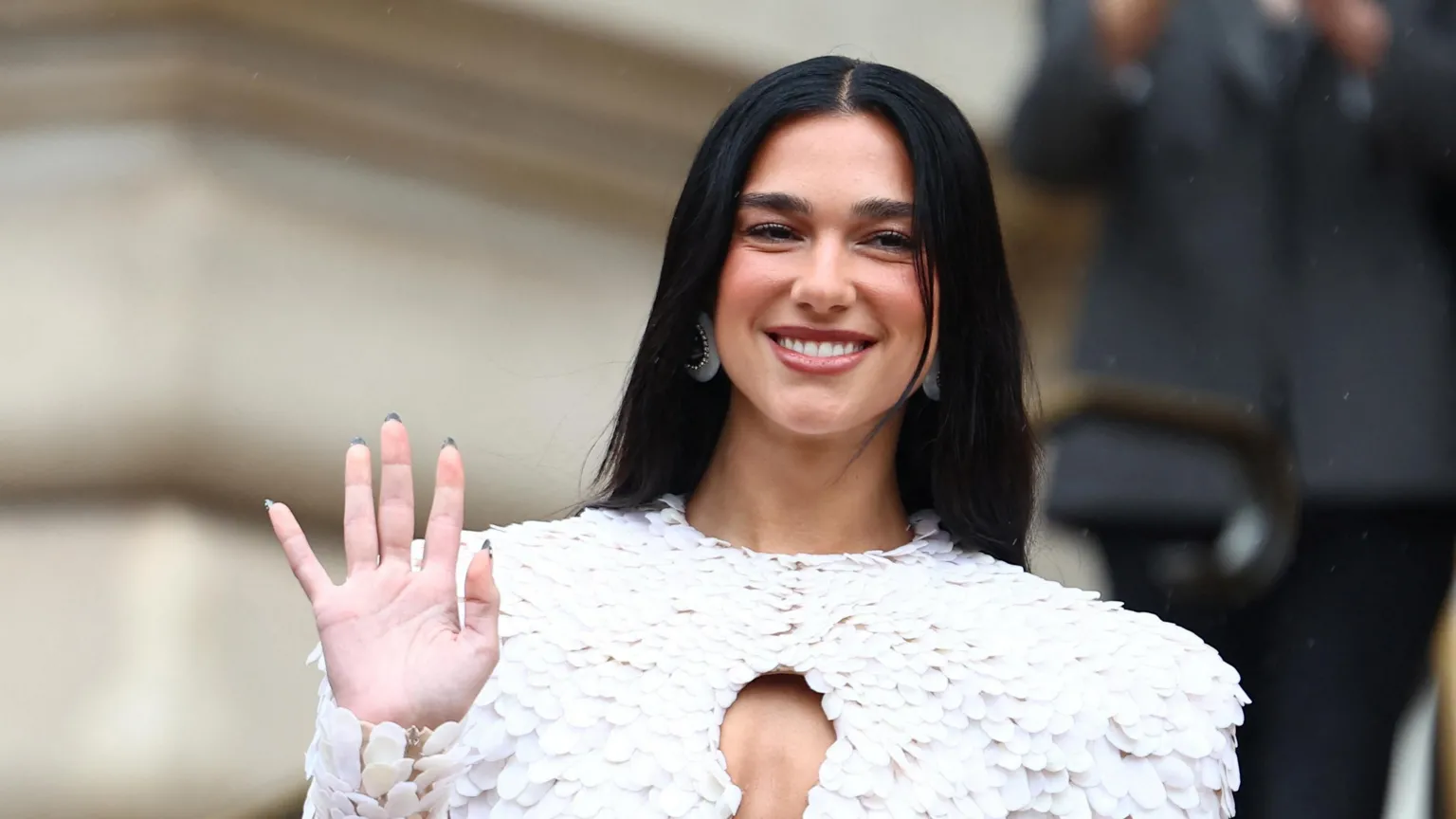
The UK government has dramatically shifted its approach to the contentious issue of artificial intelligence (AI) and copyright, acknowledging the complexity of balancing innovation with artistic rights. This move comes after high-profile backlash from leading musicians like Sir Elton John and Dua Lipa, who staunchly opposed initial proposals allowing AI companies to use copyrighted works for training their models with only an opt-out option for creators.
Initial Plan Sparks Fierce Criticism from Creatives
Earlier this year, the government proposed a framework that would have enabled AI developers to train their systems on copyrighted content—such as music, writing, and video—unless creators specifically opted out. This approach aimed to foster AI innovation by providing access to vast amounts of creative work. However, it quickly ignited uproar within the creative community, with artists warning that such measures would effectively allow tech firms to “steal” their intellectual property without fair compensation or permission.
Sir Elton John was among the most vocal critics, describing the plan as “theft on a high scale.” Alongside him, other musicians and members of the House of Lords pushed for amendments to the government’s Data (Use and Access) Bill to require tech companies to disclose and seek licenses for copyrighted material used in AI training. Despite these efforts, the government rejected the amendment and passed the bill in June 2023.
Government Pauses to Reassess Position
In response to the overwhelming backlash, Technology Secretary Liz Kendall announced a significant policy reversal. On Wednesday, she admitted that the government no longer supports its original position and emphasized the need to “get this right” before implementing any reforms. “We have listened,” Kendall said, highlighting extensive consultations with stakeholders from both the creative and AI sectors.
However, the government has yet to articulate a definitive path forward, stating it currently “no longer has a preferred option” for resolving the complex issues around AI and copyright. A government report published alongside the announcement acknowledged the lack of consensus on how to balance creators’ rights and AI innovation.
The report also underscored the economic importance of both industries: UK culture is described as a “world-leading national asset,” while the AI sector is expanding at a rate “23 times faster than the rest of the economy.” This dual recognition illustrates the government’s challenge—to protect creative works while fostering cutting-edge technology that could drive future economic growth.
Reactions from Industry Leaders Highlight Tensions and Opportunities
Tom Kiehl, chief executive of UK Music, hailed the backtrack as “a major victory for campaigners,” noting the relief it brings to hundreds of thousands of creative professionals who feared their work could be exploited without permission or payment. The Musicians’ Union echoed this sentiment, urging the establishment of collective licensing schemes to safeguard individual artists, not just large rights holders.
Meanwhile, Mandy Hill, managing director at Cambridge University Press and president of the Publishers Association, welcomed the decision as a triumph over the self-interest of major corporations. Yet, she cautioned that the government had not completely ruled out allowing AI companies to use copyrighted content without licenses, emphasizing that existing law prohibits such use without permission.
From the tech sector, Antony Walker, deputy chief executive of Tech UK, stressed the urgency of establishing a clear regulatory framework. “The UK aims to lead the G7 in AI adoption,” he said, “but without resolution, the country risks falling behind international competitors advancing under more enabling environments.”
Why This Matters: Navigating the Future of Creativity and AI
This policy reversal highlights the profound tensions between protecting creative industries and promoting technological innovation. On one hand, artists and publishers demand control over how their works are used, fearing loss of income and creative integrity. On the other, AI developers require access to vast datasets to advance machine learning capabilities that could spur economic and technological breakthroughs.
The government’s cautious approach reflects the complexity of legislating in a rapidly evolving field where the stakes are high for both cultural heritage and economic competitiveness. Finding a balanced solution that respects intellectual property rights while enabling AI innovation could set a global precedent.
As Dr Jo Twist, CEO of the British Phonographic Industry, noted, the opportunity lies in fostering a licensing market that allows creativity and AI to “go hand in hand” for mutual growth. However, she warned against introducing exceptions that could undermine the value of creative work.
Vinous Ali from the Startup Coalition echoed concerns about the lack of a concrete solution, emphasizing that UK AI startups need a supportive regulatory environment to compete on the international stage.
Looking Ahead: A Delicate Balancing Act
The UK government’s decision to pause and reconsider its copyright and AI policies marks a pivotal moment in shaping the future of both industries. With cultural icons and tech innovators united in demanding clarity and fairness, the stakes could not be higher.
Moving forward, policymakers will need to engage deeply with all stakeholders to craft legislation that protects creators, encourages innovation, and ensures the UK remains a leader in the global AI landscape.
Full details on the government’s next steps remain pending, but the ongoing dialogue signals a commitment to finding a sustainable, equitable path through one of the most challenging intellectual property debates of our time.
