What Happened: A Sharp Decline in UK Consumer Spending
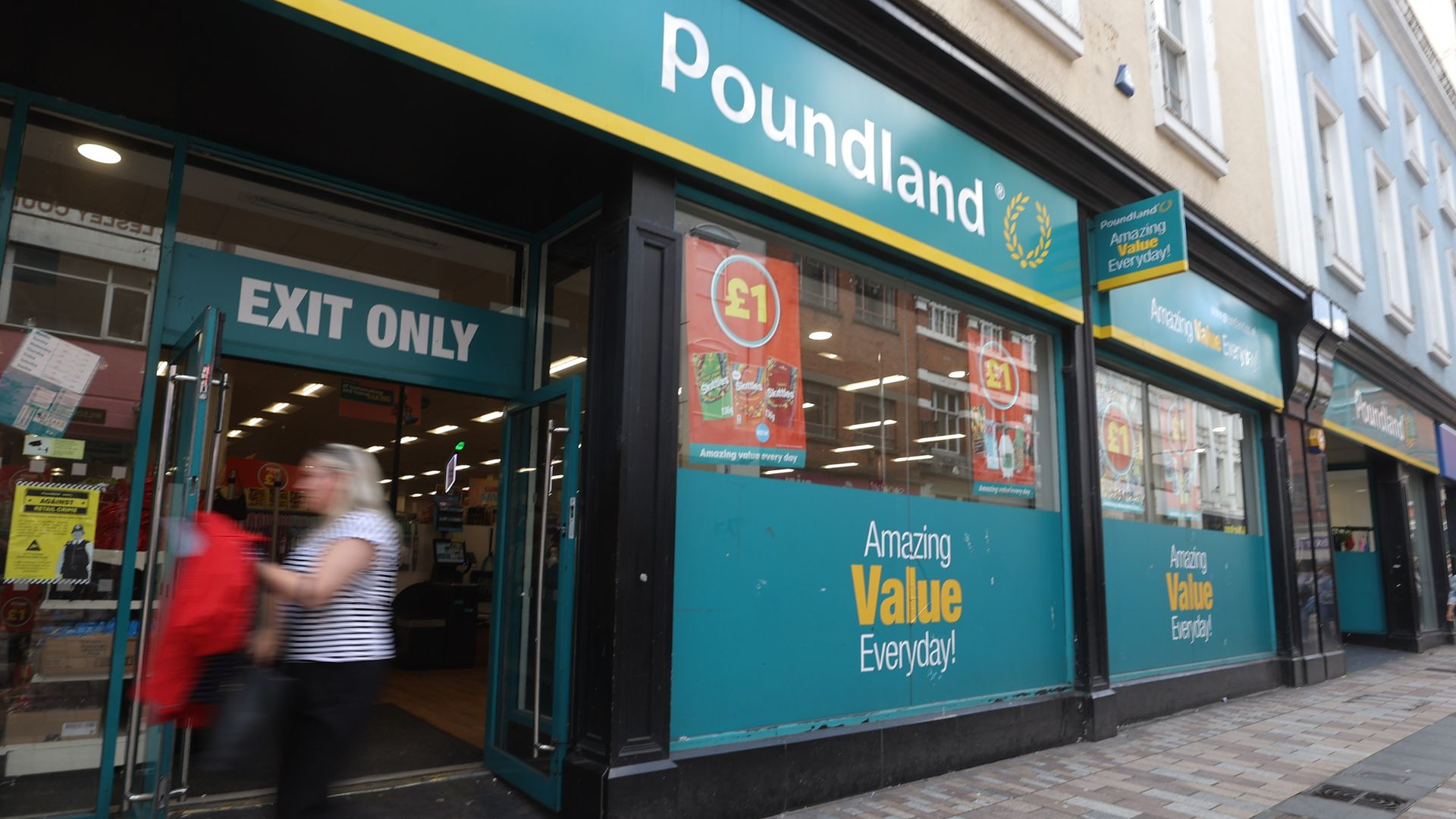
In April, UK households cut back their spending at the steepest rate seen in 16 months, driven by growing anxiety over the escalating conflict in the Middle East. This turmoil has revived fears of another cost of living crisis, prompting consumers to tighten their purse strings. Data from Barclays, which processes nearly 40% of the UK’s credit and debit card transactions, revealed a 0.1% year-on-year decline in overall card spending — the first such drop since November 2024.
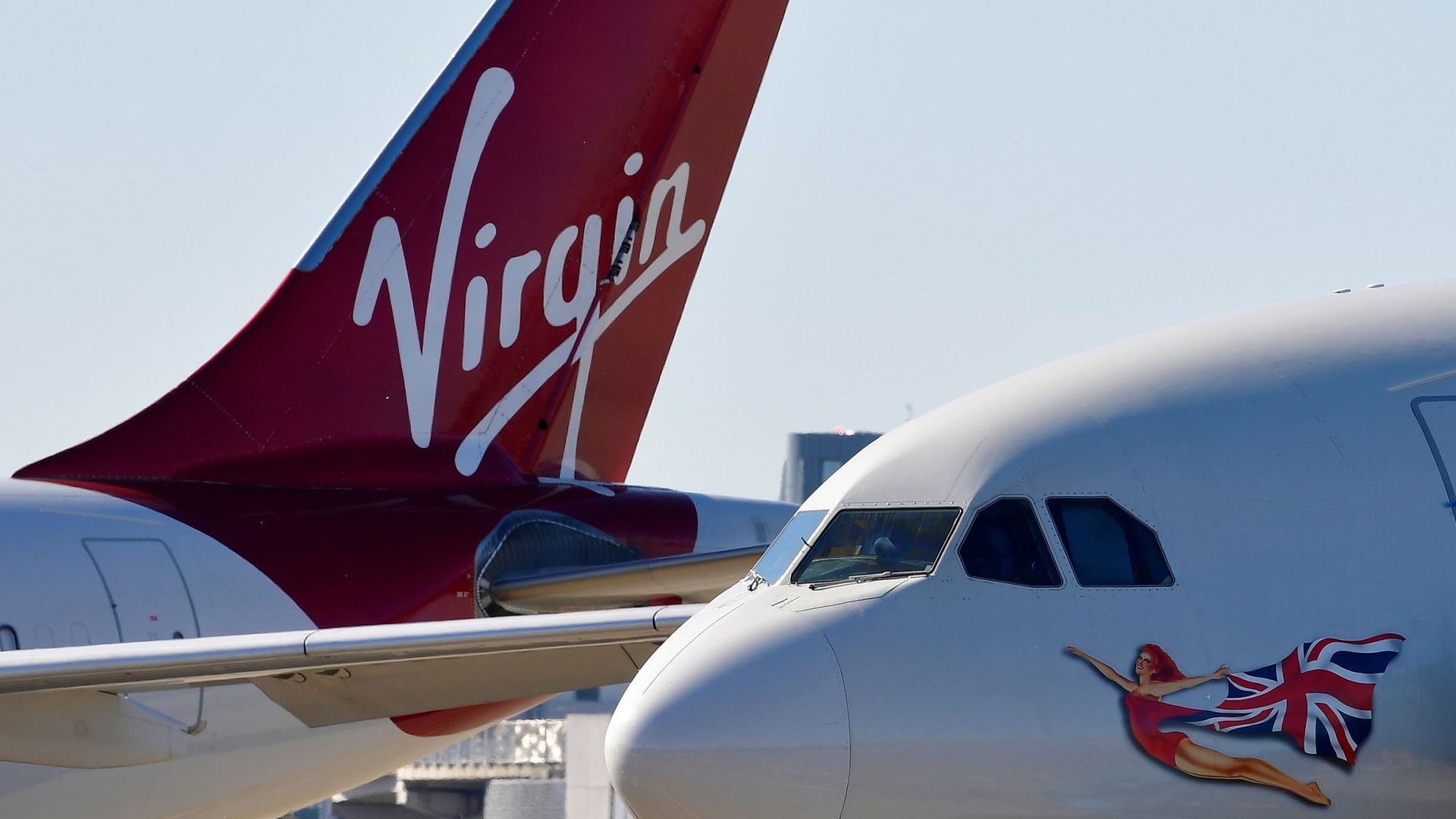
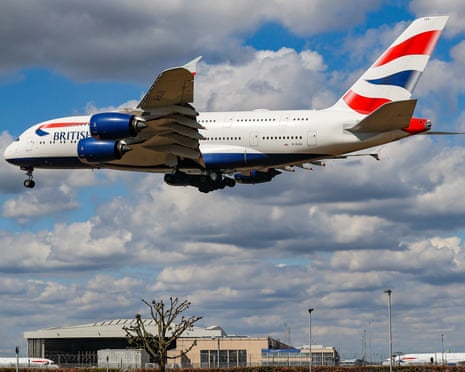
Barclays’ analysis of hundreds of millions of monthly transactions uncovered that non-essential spending fell by 0.3%, indicating households are cutting back on discretionary purchases. Travel expenditure took a particularly hard hit, plunging 5.7% in April after a 3.3% drop in March. Spending on airlines tumbled 8.3%, reflecting reduced consumer confidence in travel amid geopolitical uncertainty.

Meanwhile, spending on eating and drinking out stagnated, showing no growth compared with the previous year. In contrast, digital content and subscription services bucked the trend, rising 9.2%, boosted by popular TV series such as Euphoria, The Testaments, and The Pitt. This suggests many consumers opted to stay home and entertain themselves rather than spend on outings.

Essential Costs Surge Amid Rising Fuel Prices
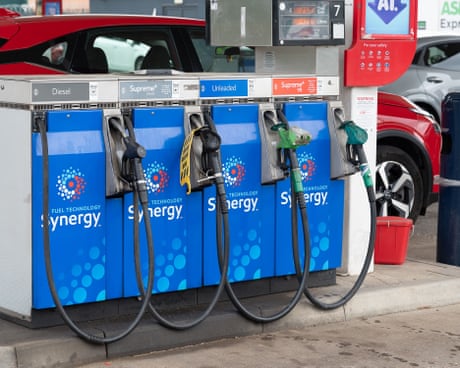
While consumers cut back on luxuries, essential spending increased modestly by 0.3%. A significant driver was fuel, which surged 10.4% — the largest jump since December 2022, when Russia’s invasion of Ukraine previously sent petrol and diesel prices soaring. This fuel price inflation adds to household financial pressure as energy costs climb.

These shifts in consumer behavior come amid a backdrop of broader economic concerns. The ongoing conflict in the Middle East has rattled energy markets and disrupted global supply chains, raising fears of sustained inflation. The Bank of England recently warned that higher inflation is now “unavoidable” due to the crisis. It forecast typical UK energy bills could rise 16% to £1,900 by summer, with food prices expected to increase by 7% before year-end.

Consumer Confidence and Retail Impact
Barclays’ accompanying consumer survey highlights the widespread apprehension. About 72% of respondents expect the Middle East tensions to affect their cost of living throughout 2026, with energy bills, inflation, and food prices cited as the biggest worries. Confidence in non-essential spending plummeted to 49%, its lowest level since March 2023, as shoppers brace for tougher times.

Despite this, 52% of consumers still report managing their day-to-day finances without significant stress, suggesting resilience among many households.

Jack Meaning, Barclays’ chief UK economist, emphasized the uncertain outlook: “The key unknown for the UK is how long this uncertainty will last. If consumer confidence remains low and spending continues to be restricted, both households and businesses will face significant challenges weathering the storm.”

Retail figures mirror this cautious mood. A joint report from the British Retail Consortium (BRC) and consultancy KPMG revealed that retail sales fell 3% in April compared with a 7% growth in April 2025. Food sales dropped 2.5% year-on-year, reversing strong growth from the previous year. However, the timing of Easter partially skewed these figures, with the holiday occurring in March this year instead of April.

Helen Dickinson, CEO of the BRC, noted, “April’s sales fall was largely driven by the Easter shift, with food hit hardest. But weak consumer confidence also played a role, as fears about the Middle East conflict driving up living costs led shoppers to rein in spending.” She remains cautiously optimistic that the upcoming World Cup might stimulate demand, particularly for electronics like TVs and sound systems.
Why This Matters: The Road Ahead for UK Consumers and Businesses
The rapid pullback in UK household spending underscores the fragile state of consumer confidence amid geopolitical instability. With essential costs rising and discretionary spending squeezed, many families face increasing financial strain. This contraction poses risks not only for individual households but also for the broader economy, as reduced consumer expenditure slows growth and pressures businesses, especially in retail and travel sectors.

How long this cautious stance persists will be crucial. Prolonged uncertainty could dampen economic recovery efforts and increase the likelihood of a prolonged cost of living crisis.

For now, households appear to be adapting by prioritizing essentials and shifting leisure spending to more affordable, home-based entertainment. Policy responses and global developments in the Middle East will heavily influence whether this trend reverses or deepens in the coming months.