A UK-based humanitarian worker is currently under medical evaluation in a London hospital after a possible exposure to the Ebola virus, health authorities have confirmed. This development has sparked immediate concern among infectious disease experts and public health officials, given Ebola’s high fatality rate and potential for rapid transmission.
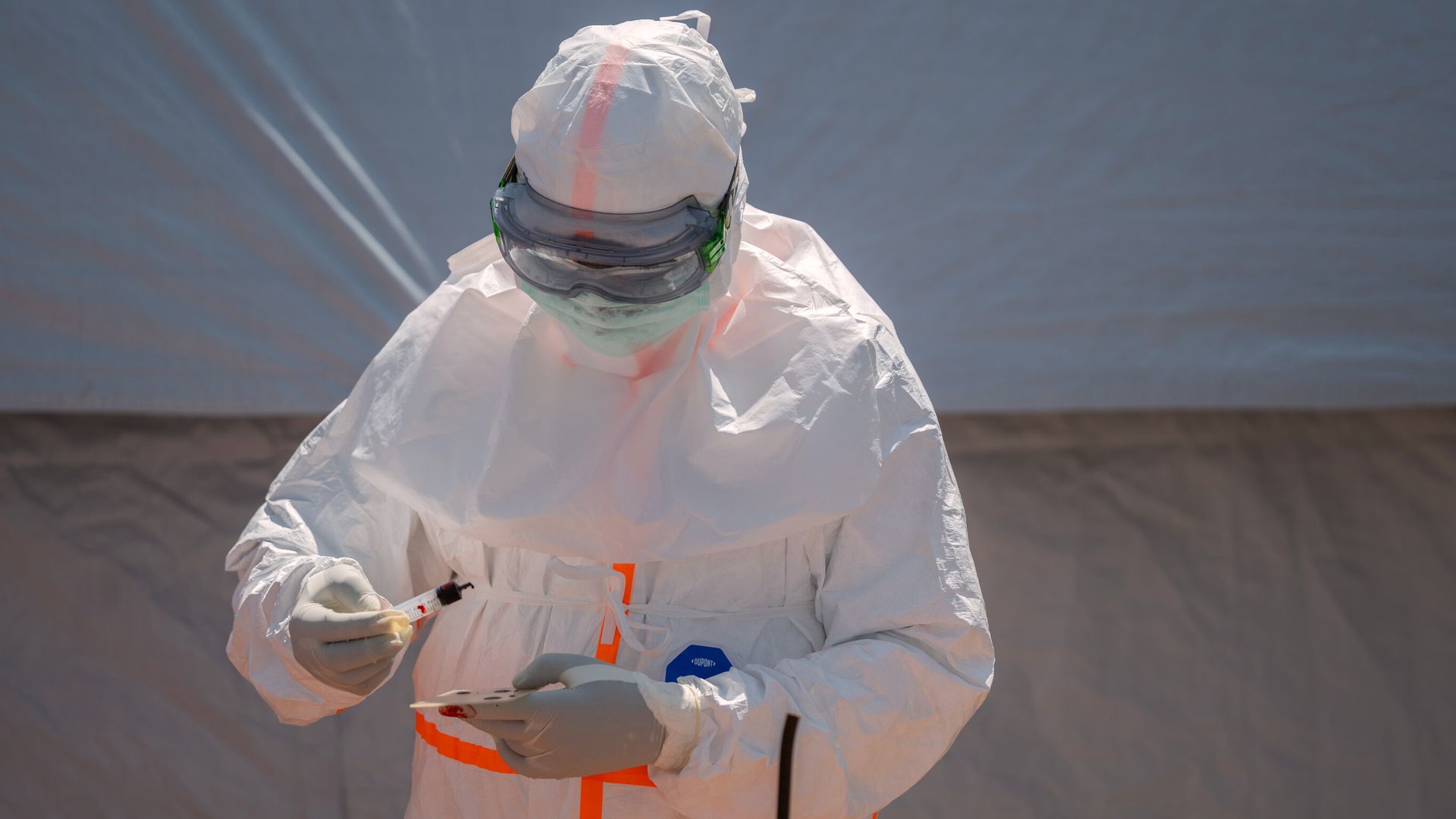
What Happened: Details of the Suspected Exposure
The individual in question, who has been involved in humanitarian missions abroad, sought medical attention after exhibiting symptoms consistent with Ebola infection. While specific details about the location and nature of the potential exposure remain undisclosed, it is known that the worker recently returned from a region where Ebola outbreaks have been reported.
Medical teams at the London hospital have initiated strict isolation protocols to prevent any potential spread of the virus. The patient is currently undergoing a series of diagnostic tests to confirm or rule out Ebola infection, including blood tests and other laboratory analyses. These procedures are critical to determine the next course of treatment and containment measures.
Why This Matters: Ebola’s Global Health Implications
Ebola virus disease (EVD) is a severe and often deadly illness caused by the Ebola virus, primarily affecting countries in Central and West Africa. The disease is transmitted through direct contact with bodily fluids of infected individuals or contaminated objects. Symptoms typically include fever, severe headache, muscle pain, vomiting, diarrhea, and in severe cases, internal and external bleeding.
The World Health Organization (WHO) and other global health bodies remain vigilant about Ebola outbreaks due to the virus’s potential to cause widespread health emergencies. While the risk of transmission in the UK remains extremely low, any suspected case demands immediate and thorough response to prevent escalation.
Humanitarian workers are often on the front lines in regions battling such outbreaks, making them vulnerable to exposure despite strict safety protocols. Their work is critical in providing medical aid, supporting communities, and containing the spread of infectious diseases like Ebola.
What Comes Next: Monitoring and Containment Strategies
Health officials are closely monitoring the situation, working in coordination with infectious disease specialists and epidemiologists. Contact tracing efforts are being implemented to identify anyone who may have come into close contact with the patient during the possible infectious period.
Meanwhile, the patient remains under close observation, with medical staff ready to administer antiviral treatments and supportive care if the diagnosis is confirmed. The NHS has well-established protocols for managing high-risk infectious diseases, including designated isolation wards and trained personnel to handle such cases safely.
Public health authorities emphasize that there is no cause for public alarm at this stage. They continue to reassure the public that the risk of an Ebola outbreak in the UK is negligible due to rigorous screening, rapid response capabilities, and advanced healthcare infrastructure.
Looking Ahead: The Importance of Vigilance and Preparedness
This incident highlights the ongoing challenges faced by global health systems in managing infectious diseases that can cross borders quickly through international travel and humanitarian work. It underscores the necessity of maintaining robust surveillance, rapid diagnostic capabilities, and effective communication channels to protect public health.
For the UK and other nations, supporting frontline workers with adequate resources and safety training remains a priority to minimize the risk of exposure. Additionally, public awareness and education about infectious diseases help in reducing stigma and promoting timely medical intervention.
As the situation develops, health authorities will provide updates on the worker’s condition and any further measures taken. The global community remains watchful, underscoring the critical need for continued investment in infectious disease research and emergency preparedness.
In summary, the hospitalization of a UK humanitarian worker following potential Ebola exposure serves as a crucial reminder of the persistent threats posed by infectious diseases and the essential role of vigilance, rapid response, and healthcare readiness in safeguarding public health worldwide.