

David Gwynn, a 37-year-old part-time bartender from London, experienced a startling reality during his recent job search: his interview was conducted entirely by an AI robot. Feeling unheard and receiving no feedback, Gwynn described the encounter as “incredibly alienating,” a sentiment shared by many job seekers as recruiters increasingly deploy artificial intelligence to manage the flood of applications.
Why AI is Taking Over Job Interviews
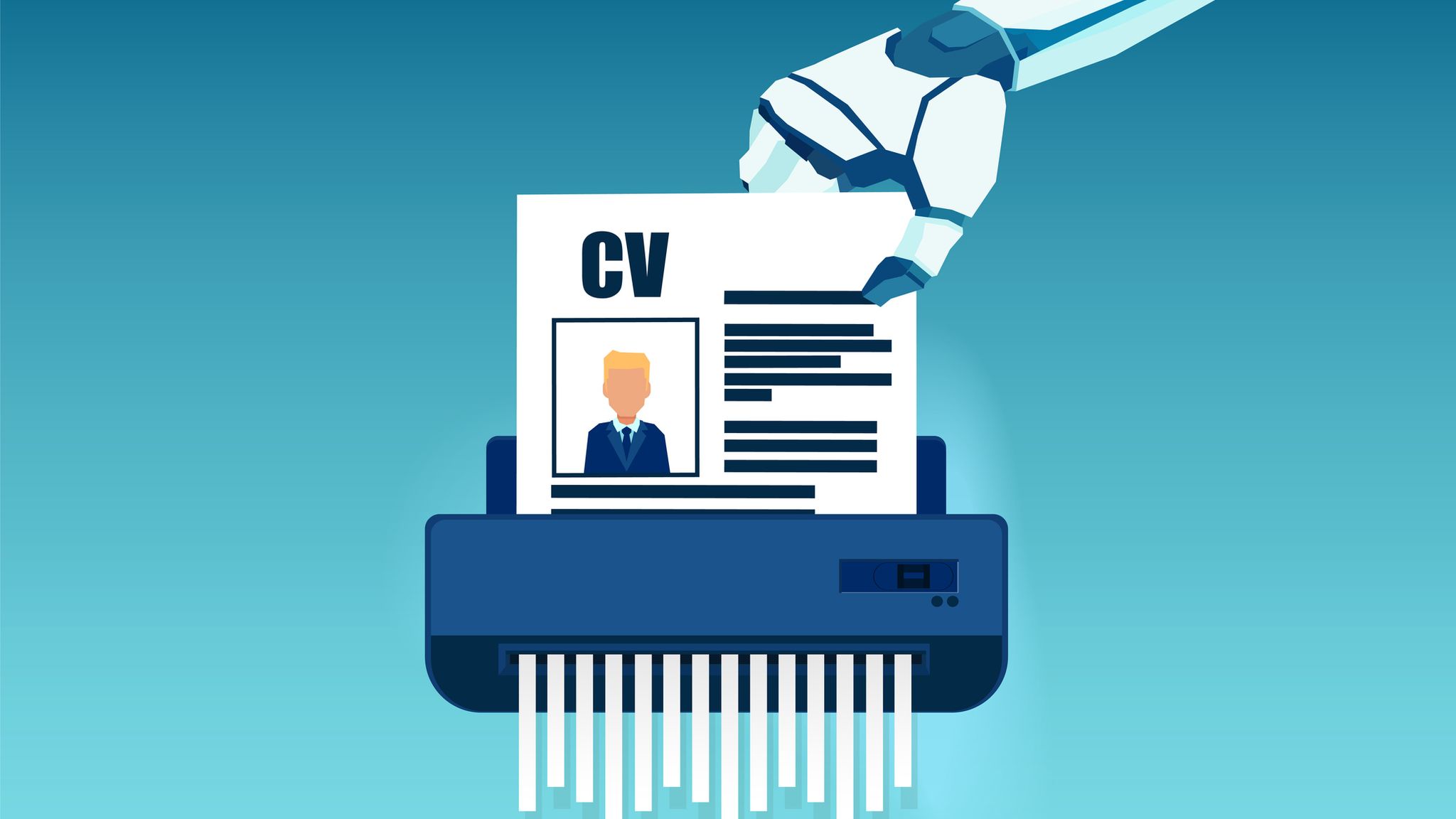
The surge in candidate numbers has overwhelmed traditional recruitment methods, prompting employers to adopt AI tools throughout the hiring process. From scheduling interviews to screening CVs and conducting initial assessments, AI is becoming a central figure in recruitment.
Data from recruitment platform Tribepad reveals a staggering 286% increase in applications per job posting over the past year, jumping from 13 to 49 applicants on average. Simultaneously, the Office for National Statistics reports that the number of vacancies per 100 jobs almost halved—from 4.1 in May 2022 to 2.2 by February 2025—creating an intensely competitive job market.
This explosion in applications partly results from candidates themselves using AI to generate cover letters, resumes, and applications, according to Dina Taylor, Chief Evangelist at Hirevue, a company providing AI-powered hiring tools to major employers such as Walmart, Nestle, and William Hill.

“No recruiter or hiring manager has the time to manually review thousands of applications,” Taylor explains. “Every day a vacancy remains open costs the business money.”

CV-Library’s exclusive data supports this trend, showing over 80% of hiring managers now incorporate AI in their recruitment processes. However, this shift has provoked unease among job seekers, with 40% reporting they have abandoned or contemplated abandoning applications due to AI involvement.
The Consequences of an AI-Driven Hiring Process
For candidates like Gwynn, AI interviews can feel dehumanizing. “It’s like being filtered out without any real communication,” he says, drawing a parallel with the dystopian world of the film Blade Runner. The lack of feedback leaves applicants unsure how they performed or what impression they made.

Beyond emotional impact, there are practical concerns about AI’s effectiveness. CV-Library’s research found that 72% of hiring managers believe AI struggles to assess cultural fit, while 55% feel it inadequately evaluates soft skills—critical factors for many roles.
Lee Biggins, CEO of CV-Library, warns this creates a vicious cycle: as AI is used to manage surging application volumes, it also contributes to the increase by enabling candidates to apply en masse with AI-generated documents. This “arms race” pushes employers to add more AI screening layers, lengthening the process and heightening frustration.

More than half of applicants surveyed suspect their applications were rejected by AI without human review. Meanwhile, 35% of employers admit they may be missing top talent due to AI’s inability to replicate human intuition.
Balancing AI and Human Judgement: What Job Seekers and Recruiters Need to Know
Despite criticisms, AI can offer benefits if deployed thoughtfully. Hirevue’s Dina Taylor emphasizes that AI should complement, not replace, human decision-making. Tailored AI assessments that focus on specific company needs can give candidates a chance to demonstrate skills beyond what a written application reveals.
“When you’re one of a thousand applicants, having even a digital conversation can help you stand out,” Taylor notes. She encourages job seekers to embrace AI tools as part of the evolving hiring landscape, using them strategically to advance their candidacies.
David Gwynn’s experience illustrates this approach—though initially frustrated, he leveraged the AI interview to secure a subsequent meeting with a human hiring manager.
Top AI-Friendly Application Tips
To avoid being filtered out by AI systems, CV-Library recommends candidates:
- Frontload skills: Highlight key qualifications early with bullet points matching the job description.
- Showcase achievements: Use specific, measurable language to demonstrate real results.
- Tailor applications: Customize CVs and cover letters for each role, showing genuine understanding of the company.
- Be specific: Replace vague claims with quantifiable outcomes and relevant context.
- Keep it simple: Avoid graphics, images, or complex layouts; use clean, standard fonts for AI readability.
Why This Shift Matters
The rise of AI interviewers signals a profound transformation in how people find work and how companies choose talent. While AI addresses the practical challenge of processing massive applicant pools, it also raises questions about fairness, transparency, and the human touch in hiring.
For job seekers, understanding and adapting to AI’s role becomes essential. For employers, blending AI efficiency with human discernment will determine whether the recruitment process remains effective and empathetic.
As Gwynn’s story shows, the future of hiring may be a hybrid model—where technology handles volume but genuine human interaction ultimately decides who gets through the door.