The United Kingdom’s top military officer has taken the rare step of directly addressing the prime minister, expressing deep reservations about the government’s proposed increase in defence spending. Sources reveal that the additional £13 billion earmarked for a significant defence investment plan may fall short of the armed forces’ strategic needs.
What Happened: A Rare Letter from the Military Chief
In an unusual and direct communication, the UK’s Chief of Defence Staff has written to the prime minister, highlighting concerns that the recently proposed funding boost—approximately £13 billion—might not be adequate to support the necessary expansion and modernization of the UK’s military capabilities.
This letter comes at a critical juncture, as the government had been expected to announce a major defence investment plan this week. However, insiders now suggest that hopes for a substantial announcement have been dashed, leaving questions about the future trajectory of defence spending and strategic priorities.
The letter signals a rare public indication of tension between the military leadership and government policymakers over the scale and scope of defence funding. The military chief’s intervention underscores the urgency felt within the armed forces to secure sufficient resources to address evolving global threats.
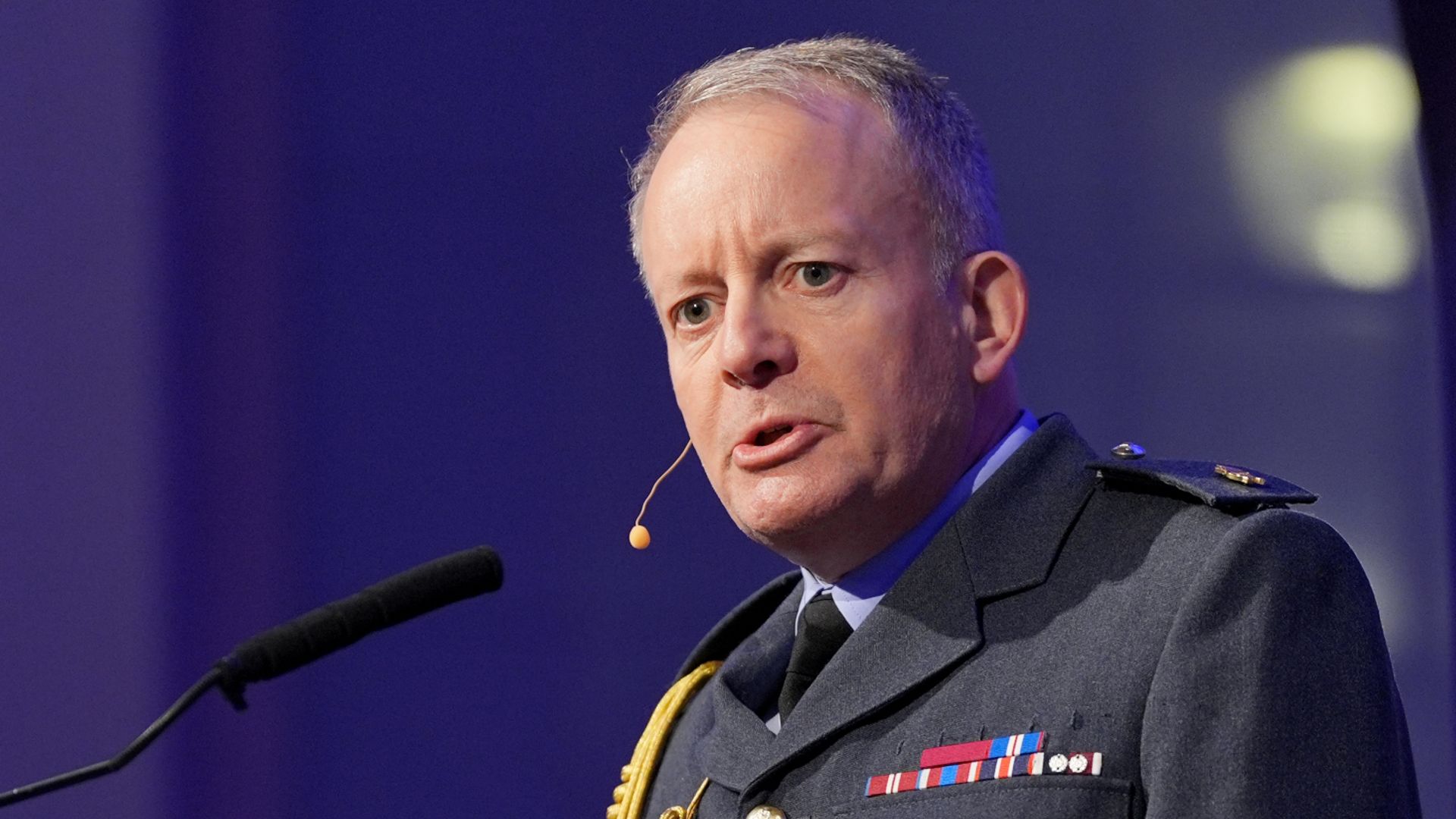
Why It Matters: Defence Funding and National Security
The UK faces a complex and rapidly changing security environment, with challenges ranging from geopolitical rivalries to technological competition. Ensuring that the armed forces are adequately equipped and funded is vital for maintaining national security and fulfilling international commitments.
The additional £13 billion proposed is intended to underpin a comprehensive investment plan aimed at modernizing the military’s capabilities. However, defence officials worry that this figure may be insufficient to cover the full scope of necessary upgrades, including advanced weaponry, cyber defenses, and personnel expansion.
Moreover, the absence of a major announcement this week raises concerns about delays in implementing critical defence initiatives. In the face of increasing global tensions and emerging threats, such delays could impact the UK’s readiness and strategic posture.
Historically, military chiefs rarely make direct appeals to the prime minister in writing, making this letter a significant indicator of the gravity of the situation. It reflects an urgent call for the government to reassess defence funding commitments and align them more closely with the military’s operational requirements.
What Comes Next: Implications and Outlook
With the prime minister now in receipt of this candid communication, pressure mounts on government officials to revisit defence budget allocations. The coming weeks may see renewed discussions within the Cabinet and the Treasury over how best to support the UK’s military ambitions amid fiscal constraints.
Given the strategic importance of the armed forces, any funding shortfall could have long-term consequences for the UK’s ability to project power and safeguard its interests globally. The military’s direct appeal could catalyze a broader debate about national defence priorities, investment levels, and the balance between economic and security considerations.
Observers will be closely watching for any revised announcements or policy shifts that address these concerns. The government’s response will be pivotal in demonstrating its commitment to maintaining a robust and capable defence force.
Closing Takeaway
The UK military chief’s unprecedented letter to the prime minister highlights a critical juncture for defence funding and national security. While the proposed £13 billion boost is a substantial figure, it may not meet the comprehensive needs of a modern military facing evolving global threats. With hopes for a major announcement now diminished, the government must carefully evaluate its defence strategy and investment plans to ensure the armed forces remain equipped, ready, and resilient in a challenging international landscape.