
The United Kingdom has experienced a significant decline in net migration, with the latest figures revealing the lowest levels recorded in more than three decades—excluding the exceptional circumstances of the COVID-19 pandemic. According to provisional data released by the Office for National Statistics (ONS), net migration fell to 77,000 in the year ending June 2026, marking a notable shift in the UK’s migration landscape.
What the Latest Net Migration Data Reveals
Net migration measures the difference between the number of people entering and leaving a country. The figure of 77,000 for the year to June 2026 indicates that far fewer people moved to the UK than in previous years, signaling a substantial reduction in migration inflows or an increase in outflows—or a combination of both.
This provisional total represents the lowest net migration level since the early 1990s, a period before the UK saw its later surges in migration driven by economic growth, EU enlargement, and other factors. While the COVID-19 pandemic caused a temporary and unprecedented drop in migration due to travel restrictions and border controls, the latest data suggests a return to low migration levels even as pandemic-related disruptions have eased.
Factors Contributing to the Decline
Several elements have contributed to this downturn in net migration. The UK’s departure from the European Union fundamentally changed migration patterns, ending freedom of movement between the UK and EU countries. The introduction of a points-based immigration system has altered who can enter the UK for work, study, or family reasons.
Economic factors also play a crucial role. Fluctuations in the UK job market, wage growth, and the cost of living influence both the desire and ability of migrants to move to the country. Additionally, changes in global migration trends and policies in other countries affect the flow of people seeking to live and work in the UK.
Impact of Policy Changes
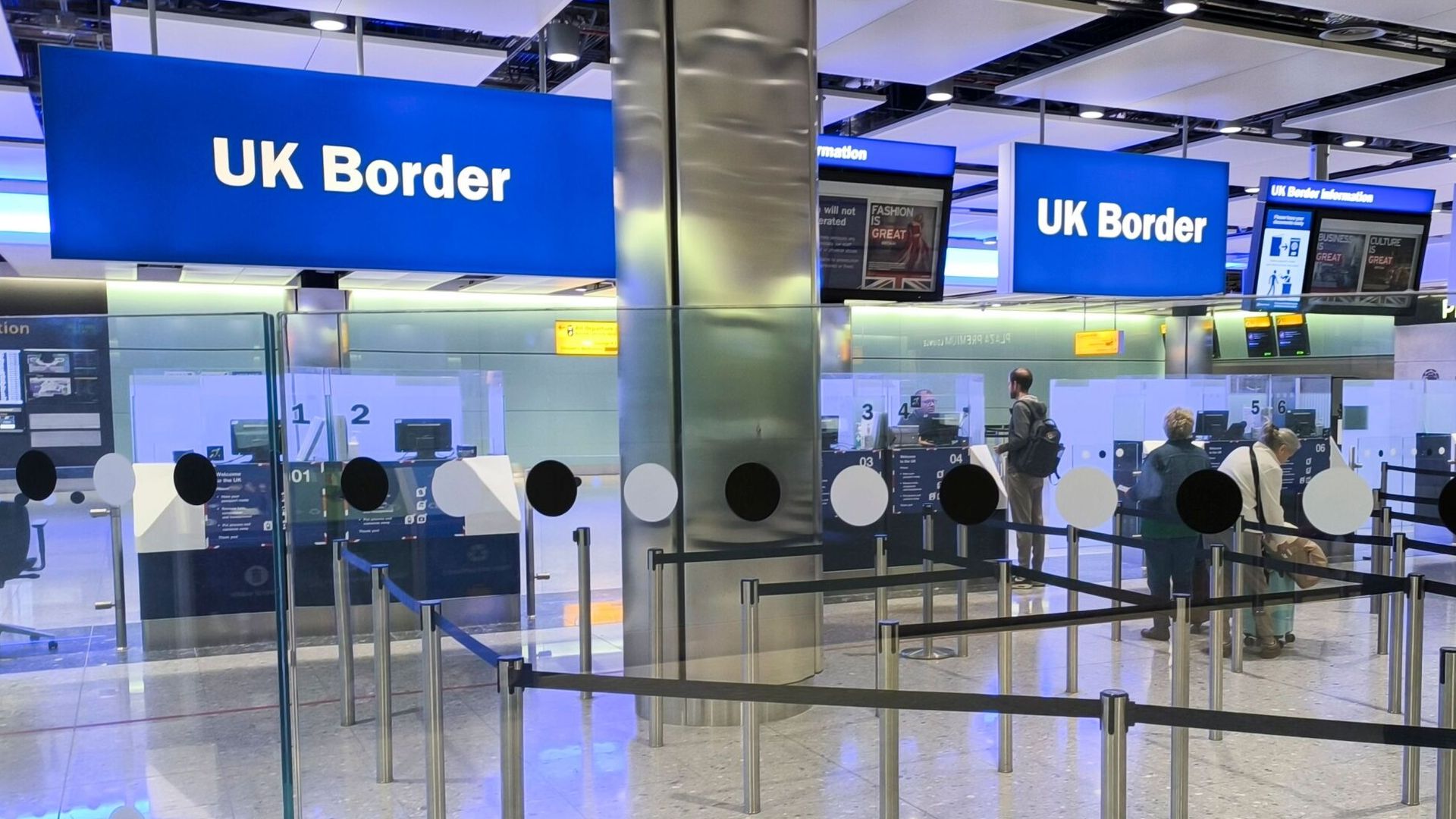
The government has implemented stricter immigration controls in recent years, focusing on reducing net migration as part of its broader immigration strategy. These policies include tighter visa requirements, enhanced border security, and increased enforcement measures. The effect of these policies is reflected in the reduced net migration figures, highlighting the government’s ability to influence migration flows directly.
Why this Decline Matters
The drop in net migration has wide-ranging implications for the UK’s economy, society, and public services. Migration has historically contributed to workforce growth, particularly in sectors such as healthcare, construction, and technology. A decline in migrants could exacerbate existing labor shortages, impacting economic productivity and growth.
Moreover, migration influences demographic trends, including population size and age distribution. Lower net migration may slow population growth and alter the balance between working-age residents and retirees, with potential consequences for public finances and social support systems.
On the social front, migration enriches cultural diversity and innovation. A sustained decline could affect the UK’s global connections and its status as a destination for international talent and students.
What Comes Next for UK Migration?
Looking ahead, monitoring future migration trends will be crucial. The government’s policies, global economic conditions, and international events will continue to shape migration flows. Stakeholders across industries will need to adapt to these changes, ensuring that labor market demands are met while addressing public concerns about migration.
As the UK navigates these shifts, understanding the complex interplay of factors affecting migration will be vital for policymakers, businesses, and communities alike.
Conclusion: A Turning Point in UK Migration Trends
The recent drop in UK net migration to 77,000—the lowest level in over 30 years outside the pandemic years—signals a significant transition in the country’s migration dynamics. Driven by policy changes, economic factors, and shifting global trends, this decline presents both challenges and opportunities.
While a reduction in migration may ease some public pressures, it also raises concerns about labor shortages and demographic shifts that could impact the UK’s economy and society. Careful, informed policymaking will be essential to balance these competing interests and to shape a migration system that supports the UK’s long-term prosperity and social cohesion.