
Understanding Asylum Hotels and Their Role
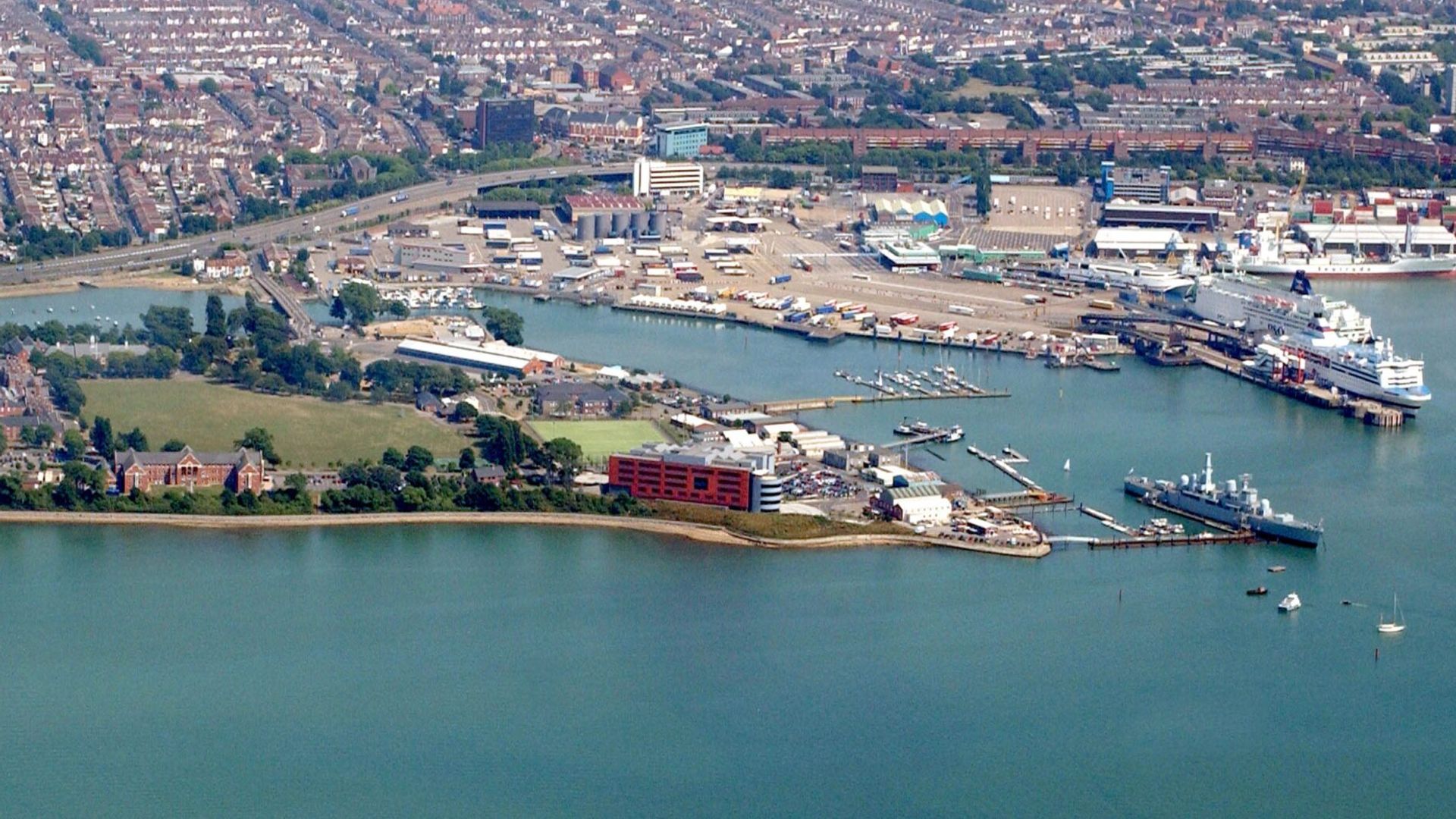
Asylum hotels have become a focal point in immigration discussions. These facilities provide temporary accommodation for asylum seekers while their claims are processed. The government contracts private companies to manage these hotels, aiming to offer safe housing amid rising numbers of arrivals.
However, the use of asylum hotels has generated controversy. Critics argue that such arrangements can lead to overcrowding, inadequate support services, and social isolation for vulnerable individuals. Proponents contend that hotels offer a flexible solution to housing shortages and help prevent homelessness among asylum seekers.
The debate often hinges on balancing humanitarian obligations with practical resource management. Governments face pressure to improve conditions within these hotels and to explore more sustainable long-term housing options for asylum seekers.
Visa Policies and Their Impact on Migration Patterns
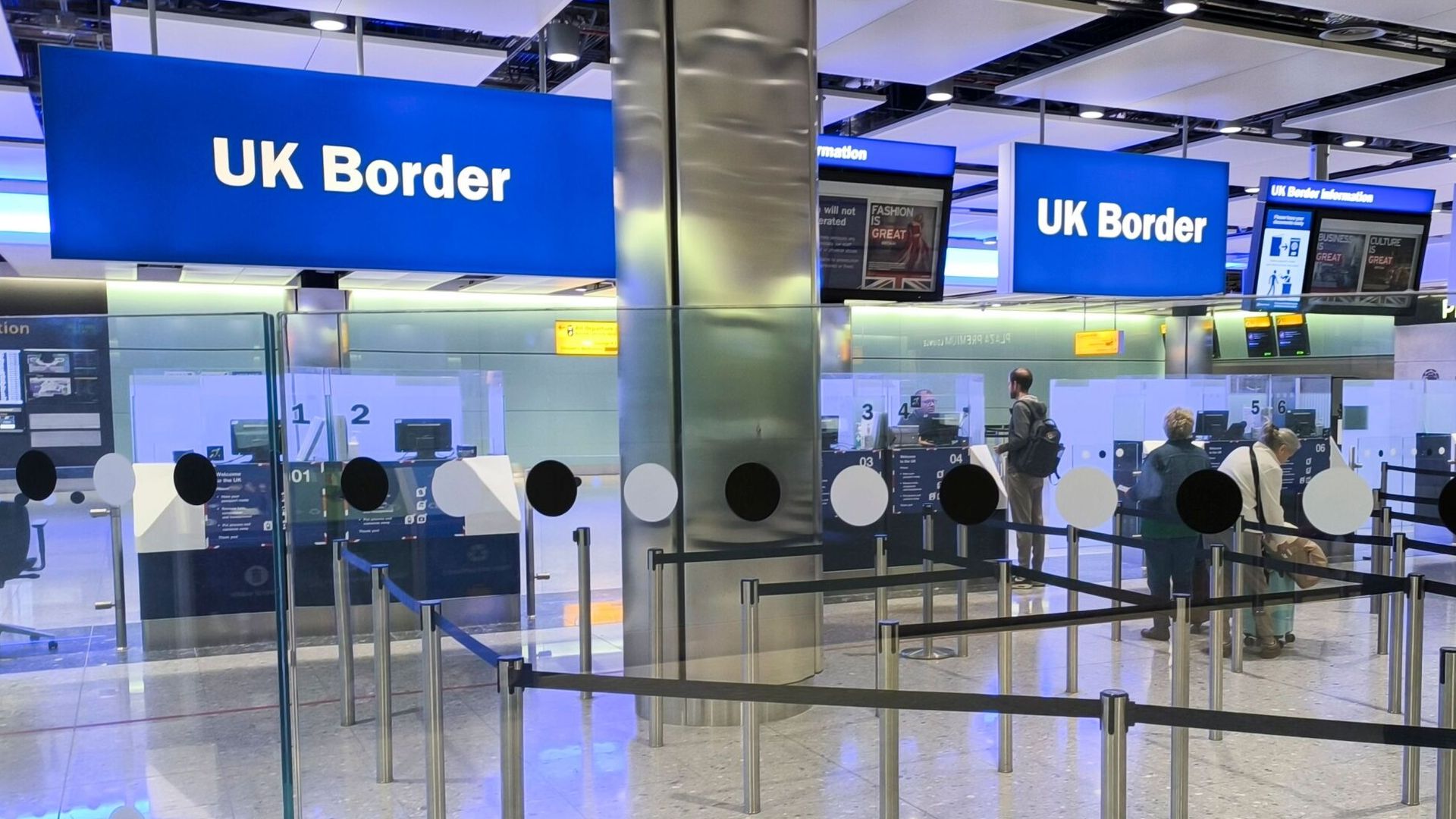
Visa regulations play a critical role in shaping migration flows. Different visa categories—ranging from work permits to student visas—determine who can enter and live in a country legally. Changes in visa policies can either encourage or restrict migration.
For example, tightening visa requirements may reduce the number of economic migrants but could also limit opportunities for skilled workers or international students. Conversely, more lenient visa rules can increase arrivals but also raise concerns about integration and resource allocation.
Understanding the nuances of visa systems is essential, as they directly affect the composition of immigrant populations and the economy. Governments continually adjust these policies in response to labor market needs, public sentiment, and international obligations.
The Complex Reality of Migrant Arrivals
Migrant arrivals encompass a diverse range of circumstances, including refugees fleeing conflict, economic migrants seeking better opportunities, and family reunifications. This diversity complicates policy responses and public perceptions.
Statistics on arrivals can be misleading without context. Numbers alone do not reveal the reasons behind migration or the challenges faced by newcomers. Additionally, media coverage often emphasizes particular narratives, which may skew understanding.
Effective migration management requires accurate data and nuanced analysis. Policymakers must consider humanitarian responsibilities alongside social cohesion and economic impact.
Why This Matters
The immigration debate affects millions of lives and national futures. Clear, factual information is vital to informed public discourse and sound policymaking. Misunderstandings can fuel polarization and hinder constructive solutions.
By unpacking the realities behind asylum hotels, visa regulations, and migrant arrivals, citizens and leaders can better navigate this complex issue. Transparent communication and evidence-based policies will be key to balancing security, compassion, and opportunity.
As migration continues to shape societies worldwide, staying informed about its multifaceted challenges and opportunities remains essential.