
The UK government has initiated a significant outreach effort by sending letters to approximately 100,000 former military personnel. This communication serves as a preparatory step to ensure veterans are aware of the potential for mobilisation should a national emergency or war arise.
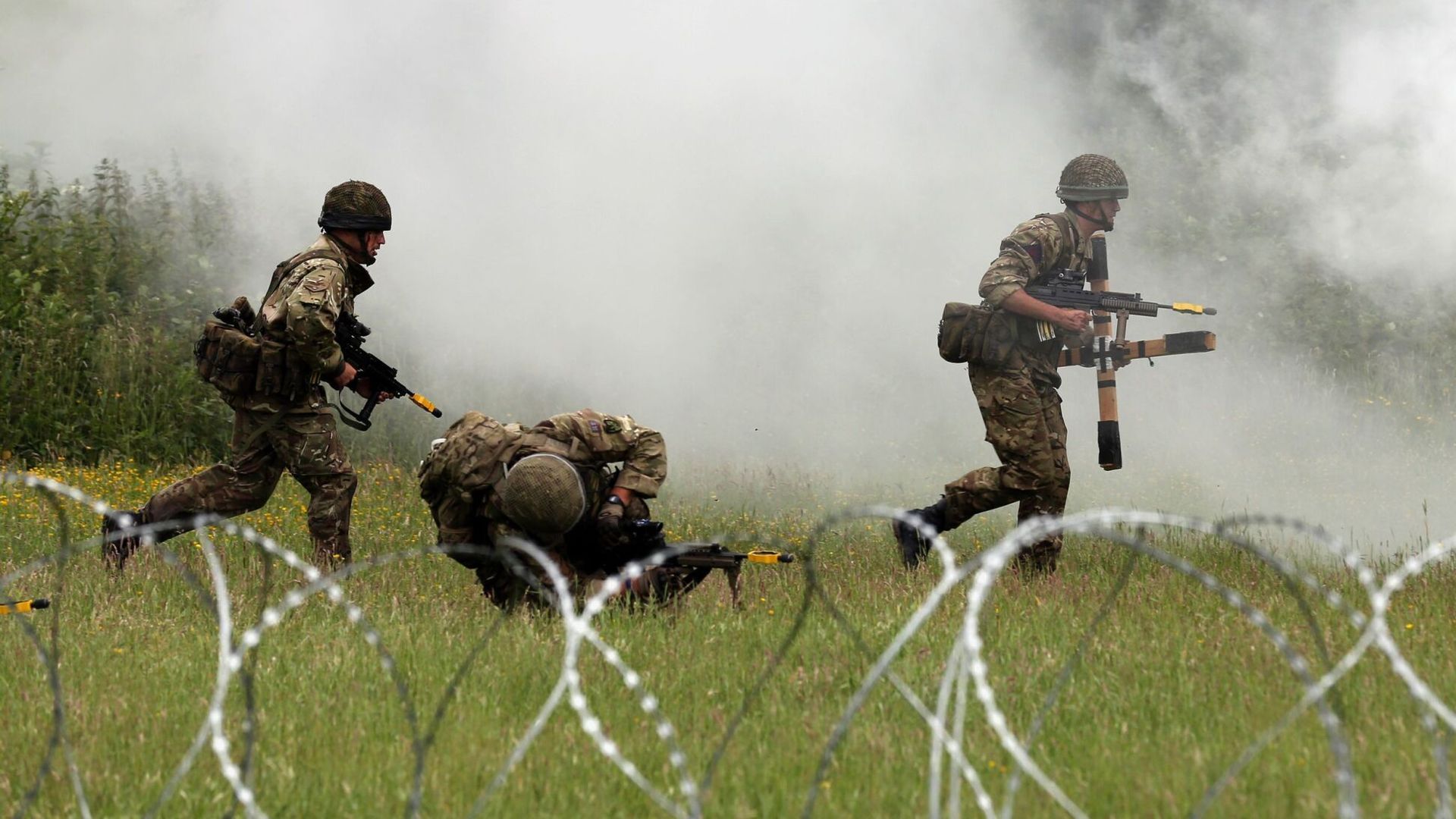
What Happened: The Mobilisation Notification
In a move reflecting increased global tensions, the Ministry of Defence has reached out directly to ex-service members. These letters notify veterans about the possibility of being called back into active duty under emergency mobilisation protocols. This development underscores the government’s focus on national readiness and rapid response capabilities in uncertain times.
The mobilisation letters do not represent an immediate call to arms but rather a proactive measure designed to keep veterans informed. Recipients are encouraged to update their contact details and confirm their availability should the government require their expertise and service. This approach facilitates swift coordination if escalation demands additional military personnel beyond the standing armed forces.
Why It Matters: Reinforcing National Defence
The decision to contact such a large number of former service members highlights the UK’s strategic emphasis on maintaining a robust reserve force. Veterans possess critical training and experience that can significantly enhance military capacity during crises. Mobilising these individuals can accelerate the army’s ability to respond to conflicts or emergencies without the delays involved in training new recruits.
In today’s geopolitical climate, where conflicts can emerge rapidly and unpredictably, the UK’s mobilisation strategy serves as a safeguard. It ensures that the country can quickly augment its defence forces with skilled personnel who already understand military operations, chain of command, and combat readiness.
Moreover, this practice aligns with the UK’s broader national security framework, which balances the need for a professional standing army with the flexibility offered by reserve and veteran mobilisation. It reflects lessons learned from past conflicts where timely access to trained veterans proved crucial.
What Comes Next: Preparedness and Coordination
The Ministry of Defence is expected to continue this engagement by maintaining regular communication channels with veterans and reserve forces. The letters are part of a wider effort to streamline mobilisation procedures and reduce administrative hurdles in times of crisis.
Veterans receiving these notifications should consider updating their records and staying informed about their potential roles. While mobilisation remains a contingency, readiness at the individual level is vital to ensure an effective response if called upon.
Additionally, this initiative may prompt further discussions on how to support veterans transitioning back into service, including addressing logistical challenges such as re-equipping, training refreshers, and integrating with active units.
Looking Ahead: National Security in Focus
By proactively contacting a large pool of former military personnel, the UK government is reinforcing its commitment to national defence readiness. This strategy enhances the country’s ability to meet unforeseen threats swiftly and effectively by leveraging the skills and experience of those who have served.
For veterans, this communication signals a continued role in safeguarding the nation, even after leaving active duty. It also emphasizes the importance of maintaining connections with the Ministry of Defence as part of the broader defence community.
As global tensions persist, the UK’s mobilisation preparedness serves as a crucial pillar of its security policy. It ensures that in times of crisis, the nation can count on a well-informed, capable reserve of trained individuals ready to support military operations and national safety.